




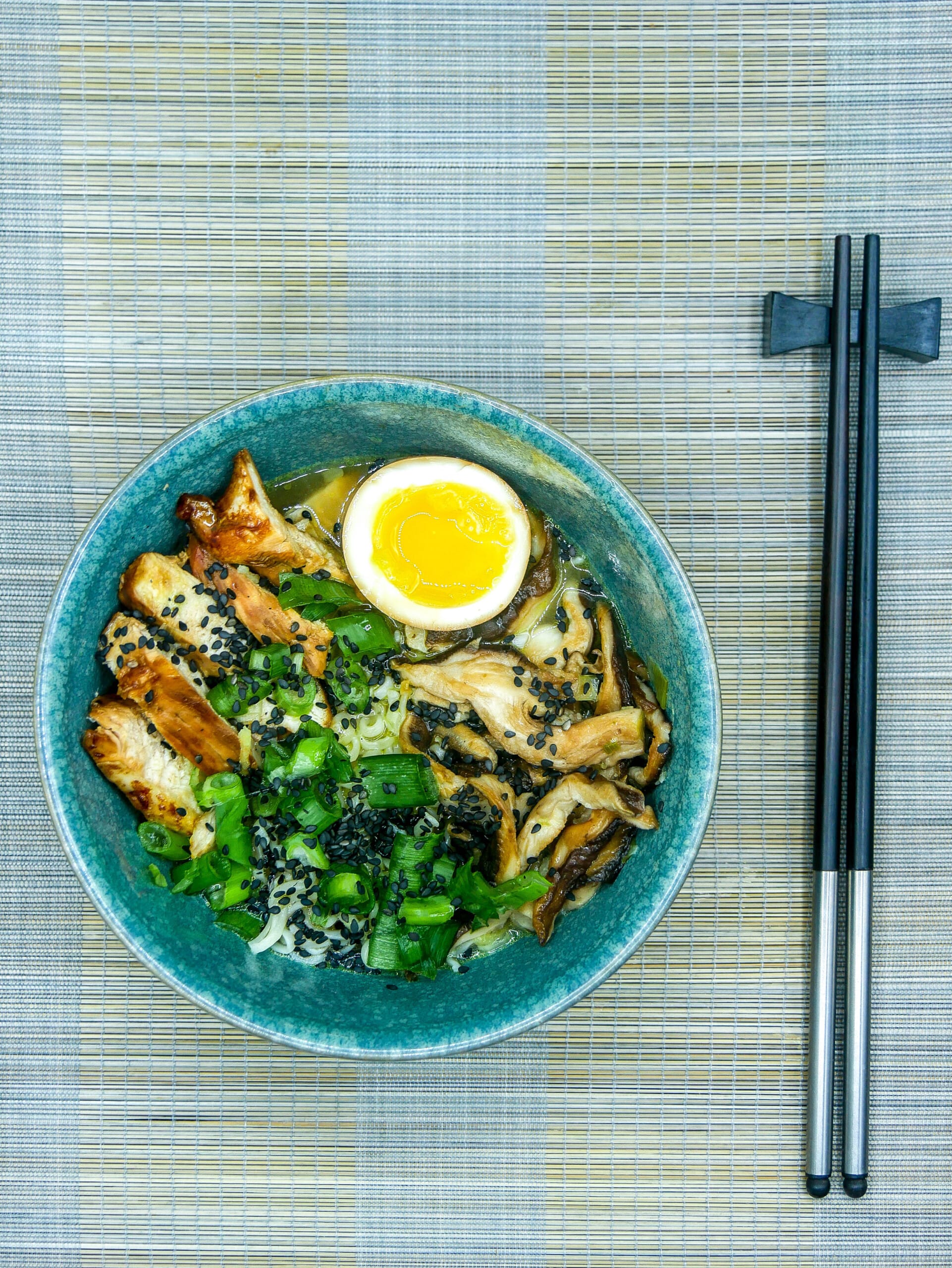
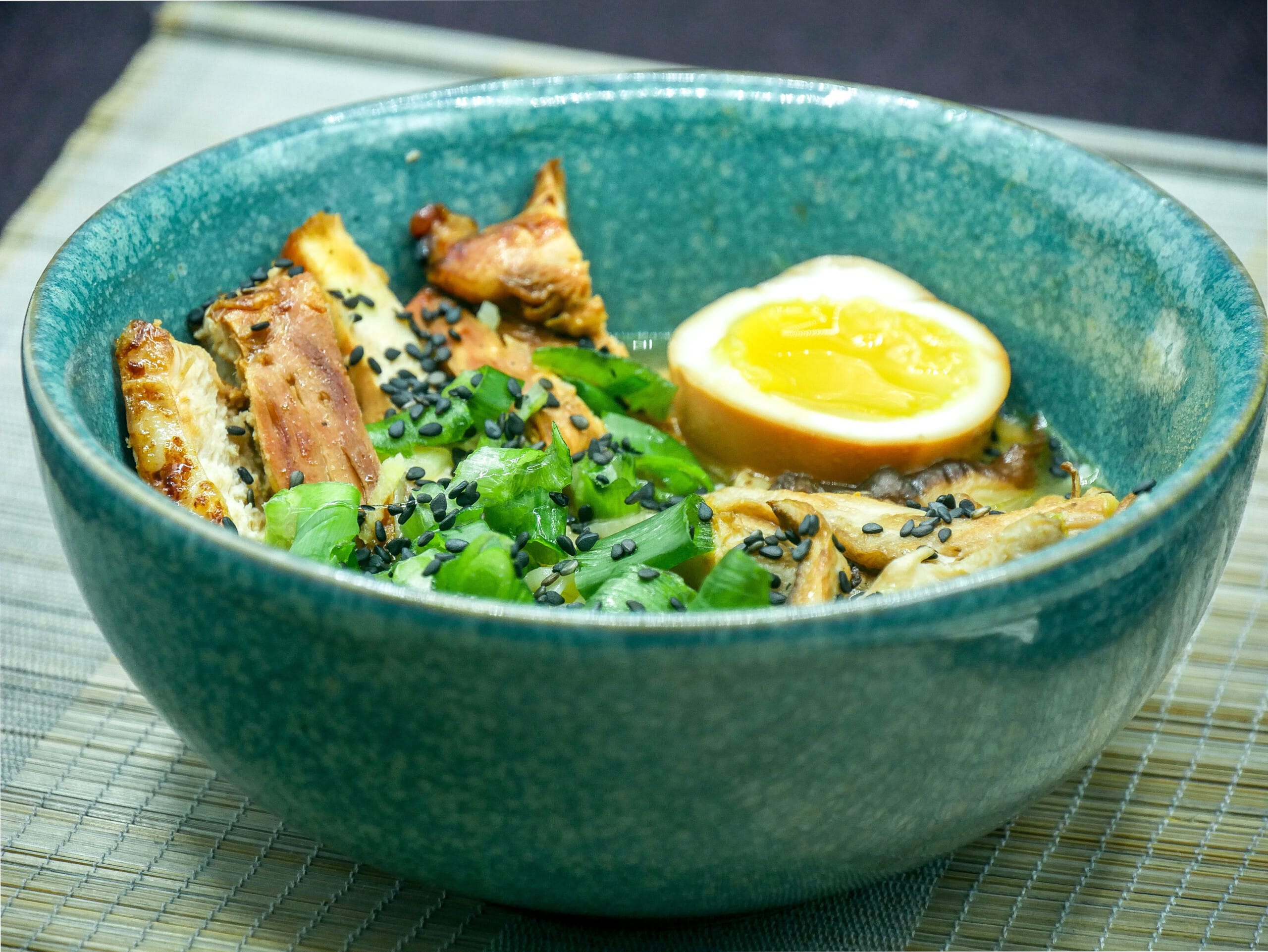
Here’s my delicious recipe for homemade Japanese ramen. With this recipe, you’ll see that it’s not that hard to make this ramen noodle soup on your own.
By making your own ramen, you can choose high-quality ingredients and, most importantly, avoid industrially produced dehydrated mixes. These often contain controversial additives, such as MSG, and highly processed ingredients.
But before we get to the recipe itself, I’ll share some useful information about this classic Japanese dish.
What is ramen?
Ramen (usually referred to as “ramen,” sometimes “the ramen” when talking about the dish in general) is a very popular Japanese noodle soup.
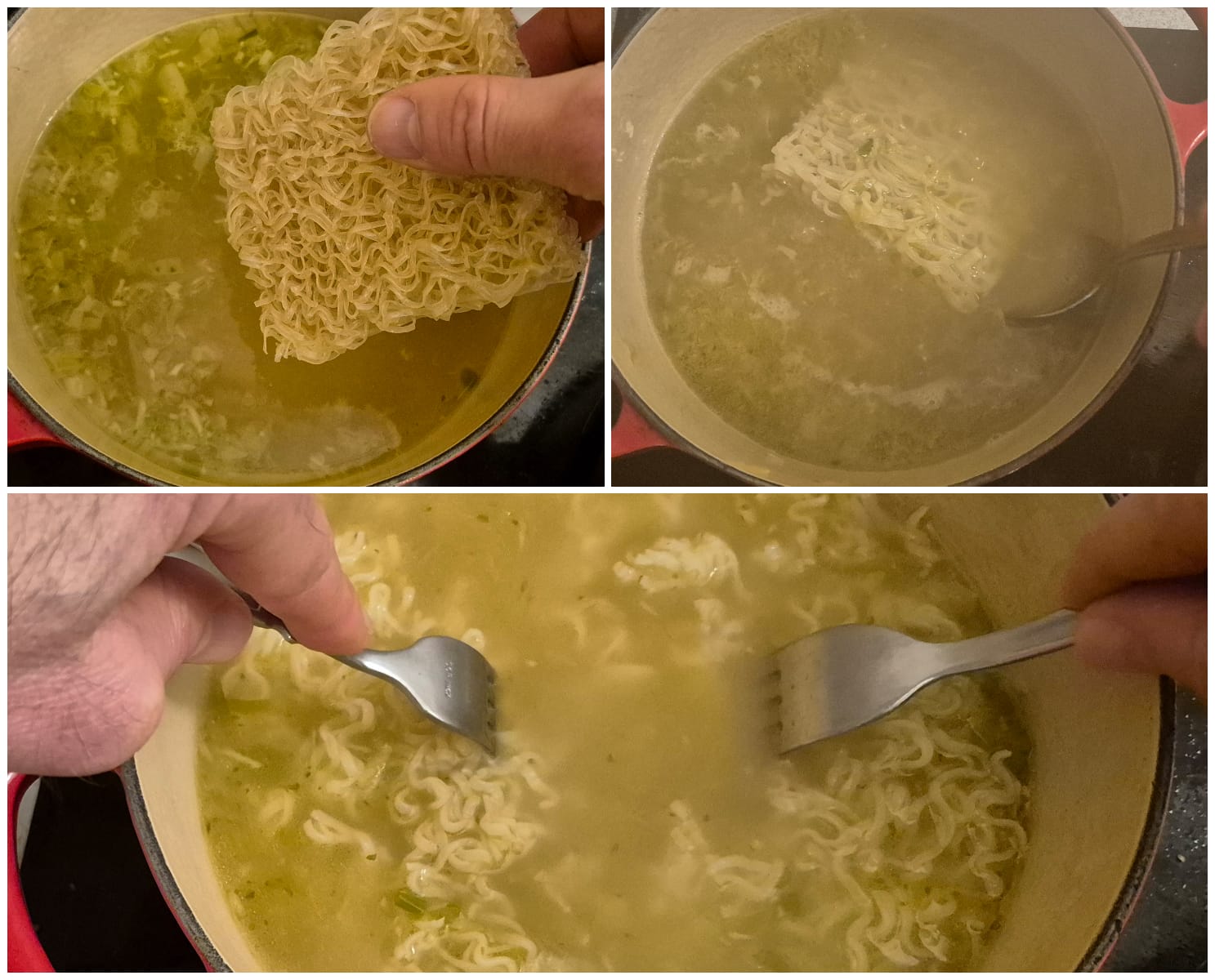
Ramen also refers to the noodles themselves. They are most commonly found in dried form. They come as a compact flat cake, corresponding to a single serving, with a dry weight of 70 to 100 grams.
Why is ramen so popular?
If you live in the city, you’ve surely noticed ramen restaurants popping up in recent years. Like sushi, ramen has now spread throughout France and the world, and is particularly popular among younger generations.
People love ramen’s “one-bowl meal” concept, which combines everything you need for a complete meal in a single dish. There are starchy noodles, meat and eggs for protein, a variety of vegetables, and of course the broth for hydration and maximum umami flavor 😋
What is the history of ramen?
Contrary to popular belief, ramen is not an ancient Japanese dish. It originated in China, where the concept of noodles in broth first emerged.
It arrived in Japan toward the end of the 19th century, as Japan opened up to international trade. But it became immensely popular during the economic depression that followed World War II. Indeed, ramen offered the dual advantage of being both inexpensive and nutritious!
Today, ramen is an integral part of Japanese culinary traditions, and each region has its own variations.
The broth: the foundation of ramen
The broth is the central element of ramen, the one that gives it its identity. In Japan, there are four main types of ramen broth:
- Shoyu (醤油): This is soy sauce ramen, typically made with chicken. It is sometimes combined with dried fish or pork.
Shoyu ramen is the most common style in Japan - Miso (味噌): This is ramen made with fermented soybean paste. It has a deep, umami-rich flavor, with a broth that is often thicker and more nourishing. Miso
ramen is very popular in colder regions - Shio (塩): This is "salt" ramen, with a light and delicate flavor. The broth is clear and transparent, highlighting the natural taste of the ingredients
. Shio ramen is often considered the oldest style. - Tonkotsu (豚骨): The broth here is made by simmering pork bones for a long time. Its flavor is very rich, intense, and creamy.
Tonkotsu ramen has a very distinctive white, opaque texture.
What toppings go with ramen?
If you’re familiar with the concept of “comfort food”—which provides an immediate sense of emotional and physical comfort—ramen plays exactly that role in Japanese cuisine!
Ramen owes all its qualities to the variety of toppings served with the broth. They make ramen a truly complete dish—a “meal-in-a-bowl,” so to speak!
We can divide the toppings into a few main categories, which I’ll detail here.
🥩Protein-rich ramen toppings
- Pork: Braised pork belly (the most classic), grilled or sautéed pork,
- Poultry: Roasted chicken, shredded chicken, crispy chicken,
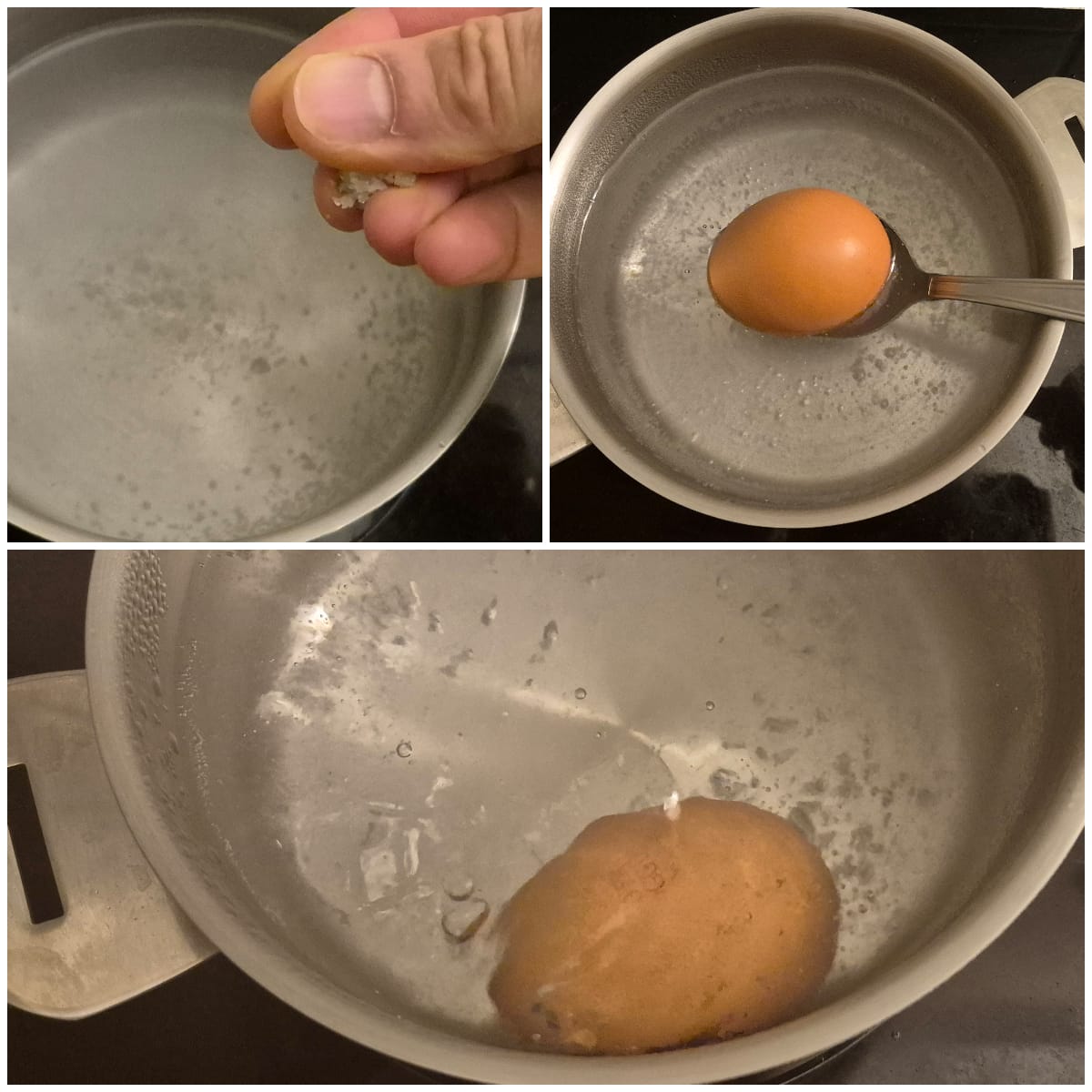
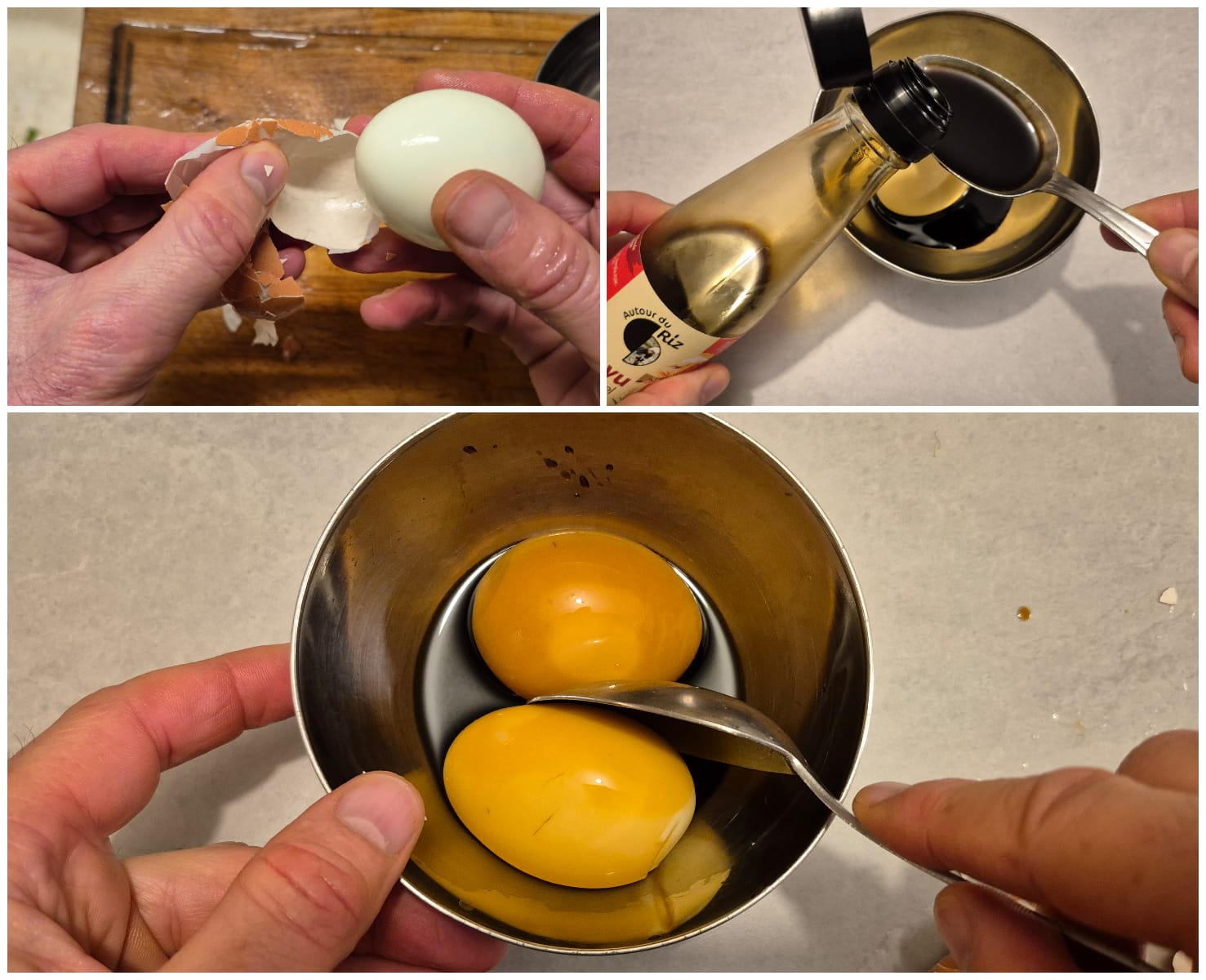
- Eggs: Egg marinated in soy sauce or mirin, plain hard-boiled egg,
- Seafood: shrimp, crab, grilled fish, surimi, or other fish pastes.
- Vegan proteins: Fried or marinated tofu, tempeh
🍄Vegetable toppings for ramen
- Fresh or sautéed vegetables: green onions, bean sprouts, sautéed cabbage, spinach, corn, carrots, leeks…
- Mushrooms: shiitake, enoki, black mushrooms…
- Sprouts and pickled vegetables: Menma (fermented bamboo shoots), various pickled vegetables…
🌿Aromatic and decorative toppings for ramen
- Dried seaweed (nori), wakame (softer seaweed),
- Sesame seeds, fried or minced garlic, pickled ginger, chili or chili paste,
- Flavored oil (sesame, garlic, chili)
The importance of assembly order for ramen
Assembling a bowl of ramen relies on a balance between structure, flavor, and texture.
The broth provides the aromatic base, the liquid element, and the umami depth,
The noodles must absorb the broth while remaining firm,
The toppings are then selected to create complementary contrasts: meaty (braised meat, egg), crunchy (vegetables, sprouts), aromatic freshness (scallions, ginger), and controlled richness (flavored oil, fat).
A successful ramen is a cohesive composition, where each element balances with the others without overpowering the whole.
Give it a try!
Now that you know all about ramen, you can put your knowledge into practice with this easy ramen soup recipe.
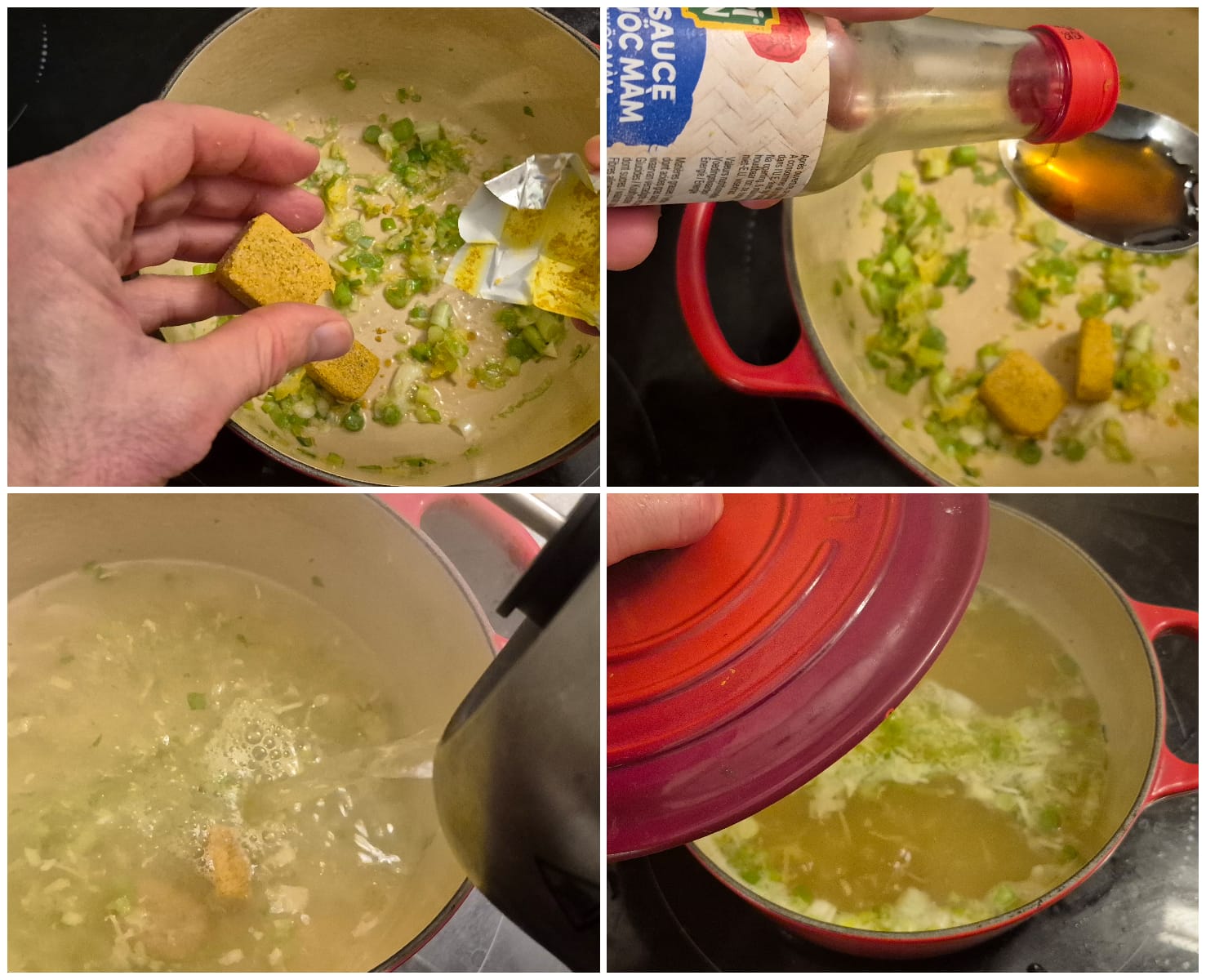
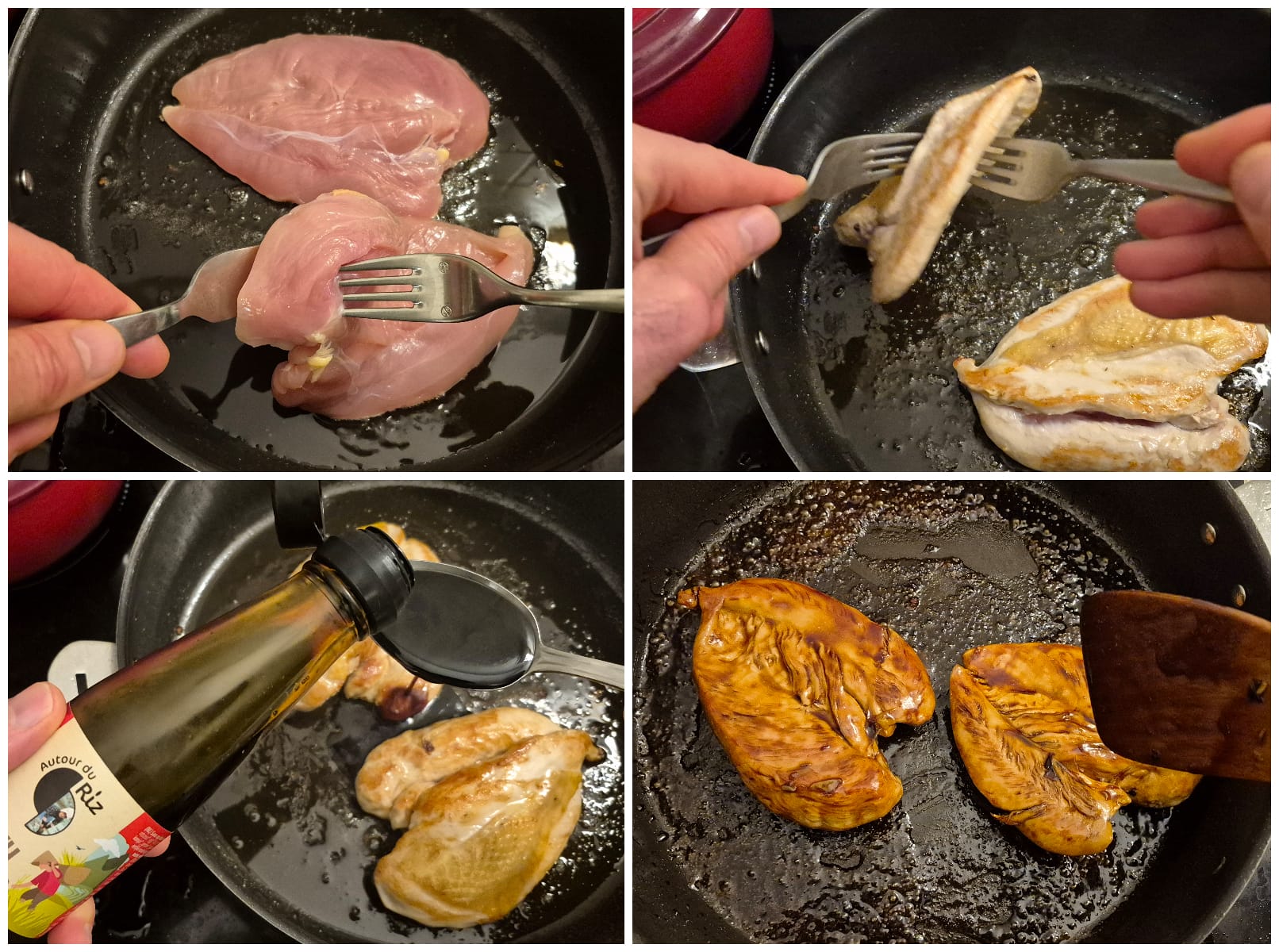
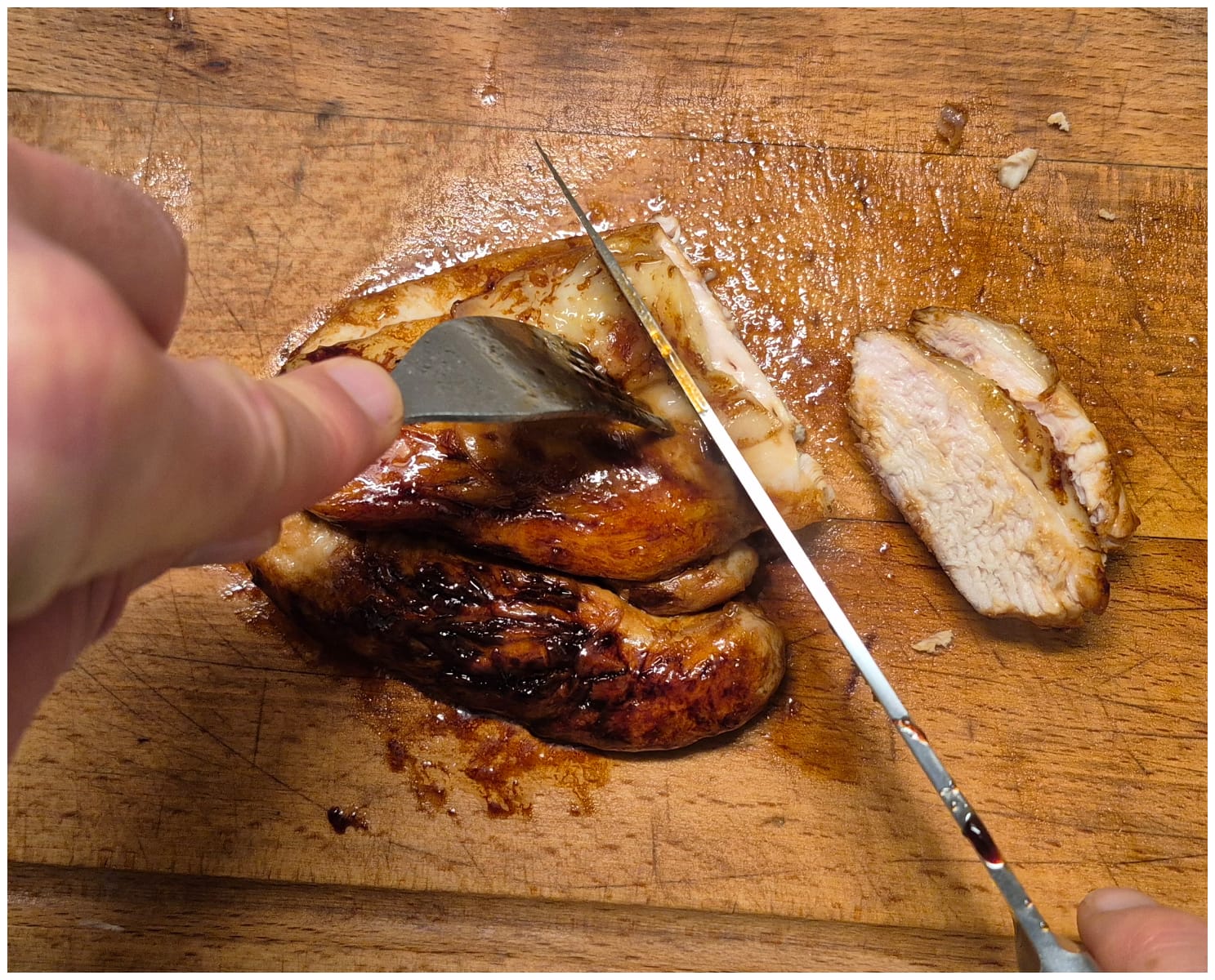
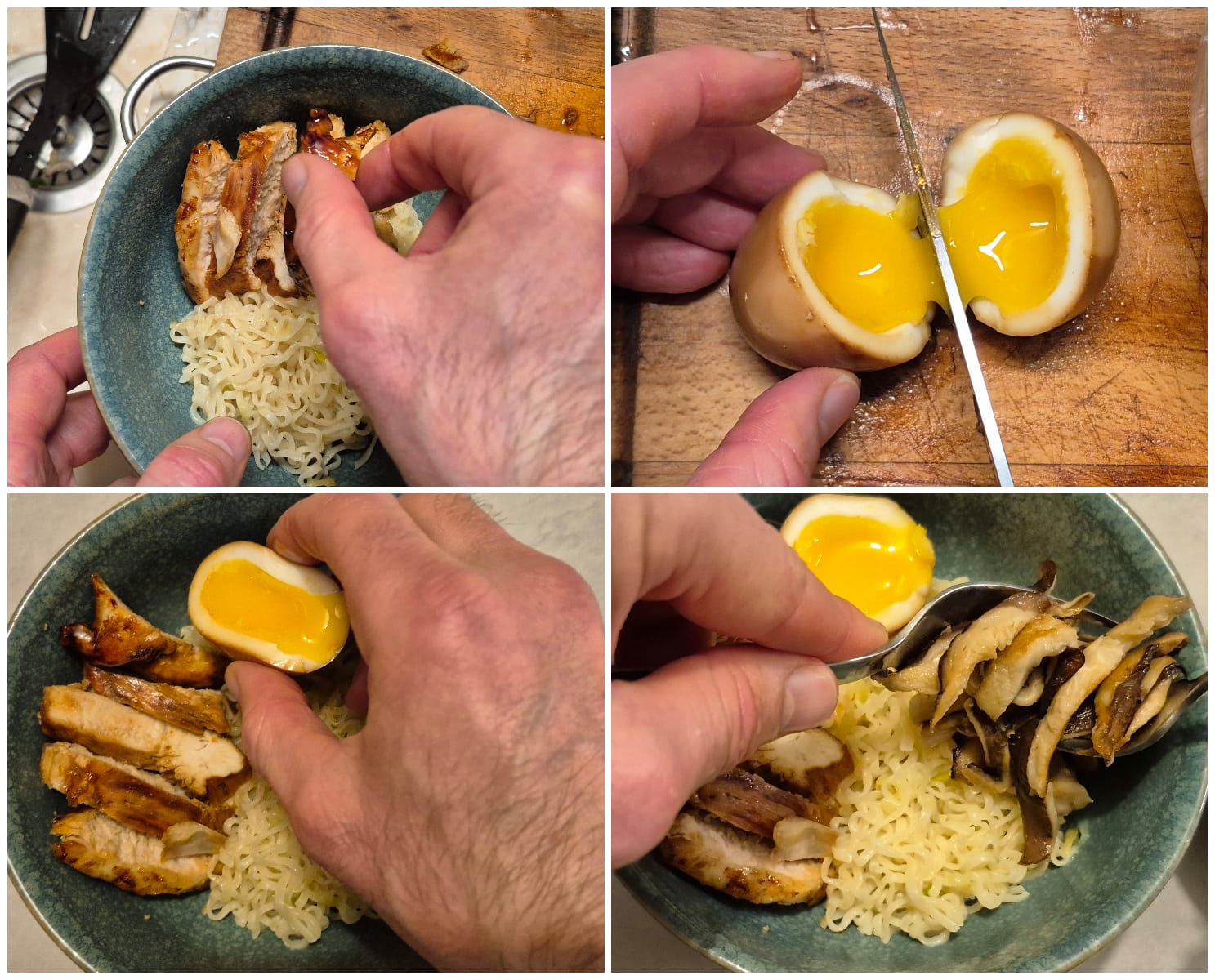
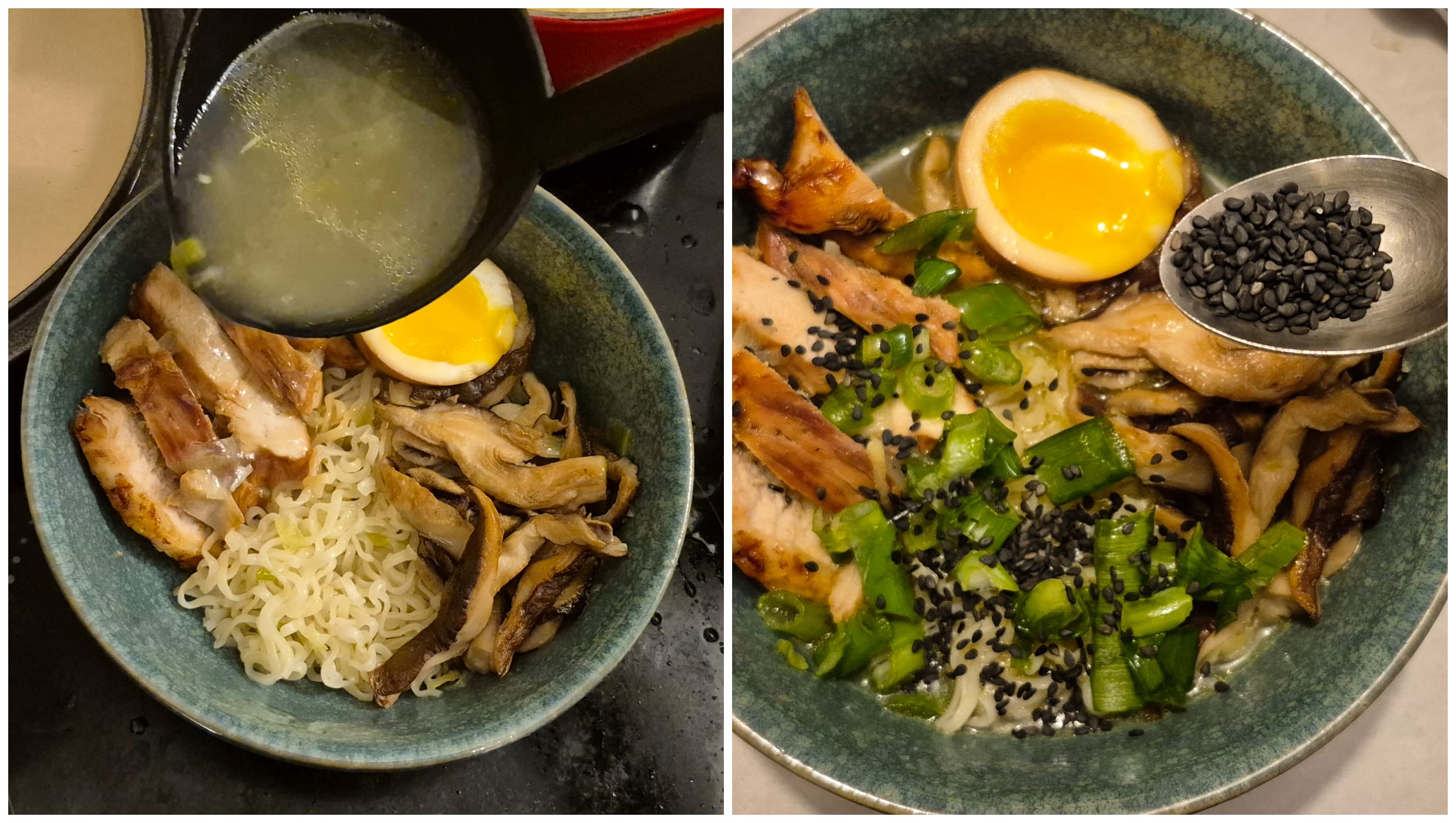
It’s based on the most common ramen variation, featuring soy-based shoyu broth, chicken, and a soft-boiled egg marinated in soy sauce as the protein topping.
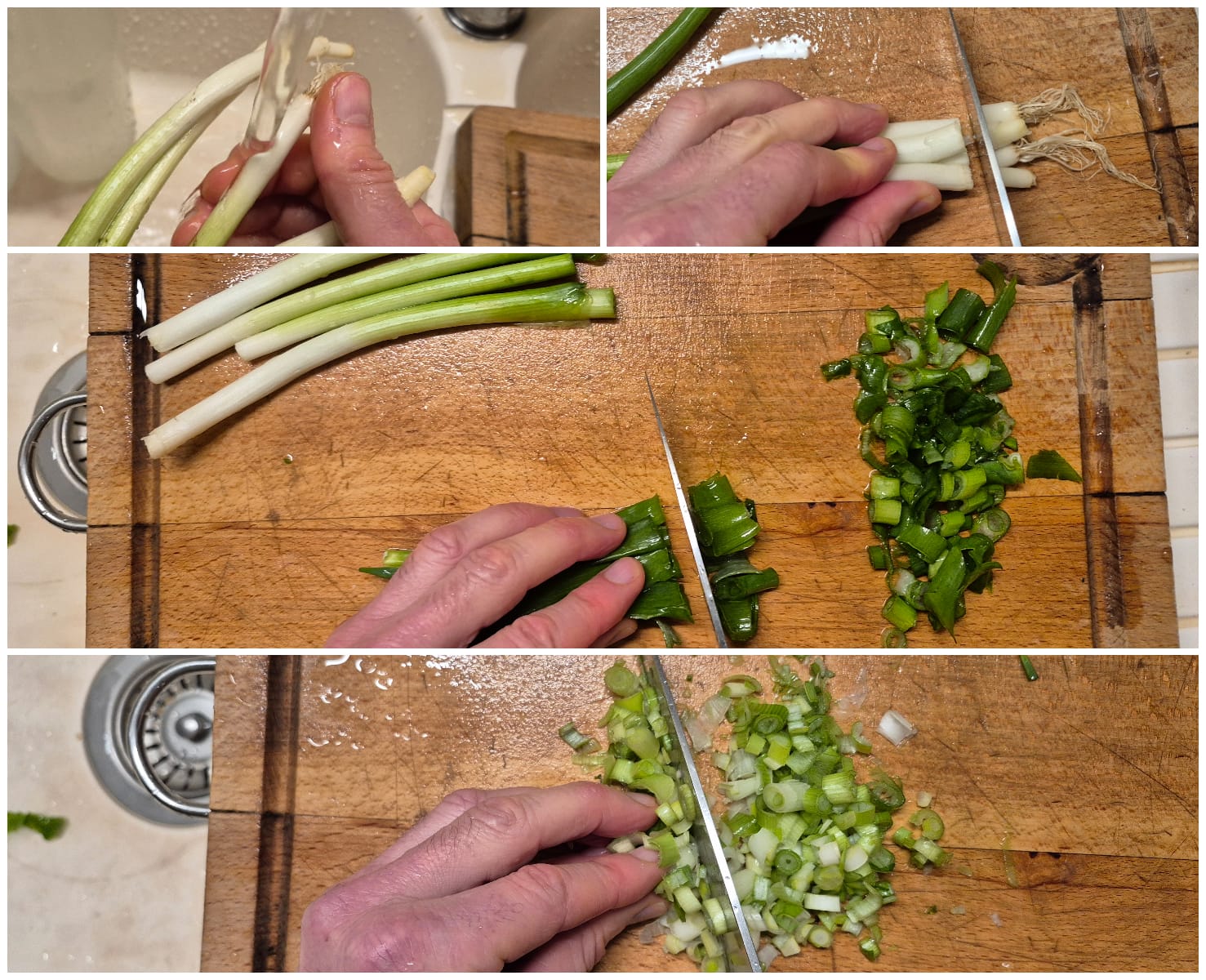
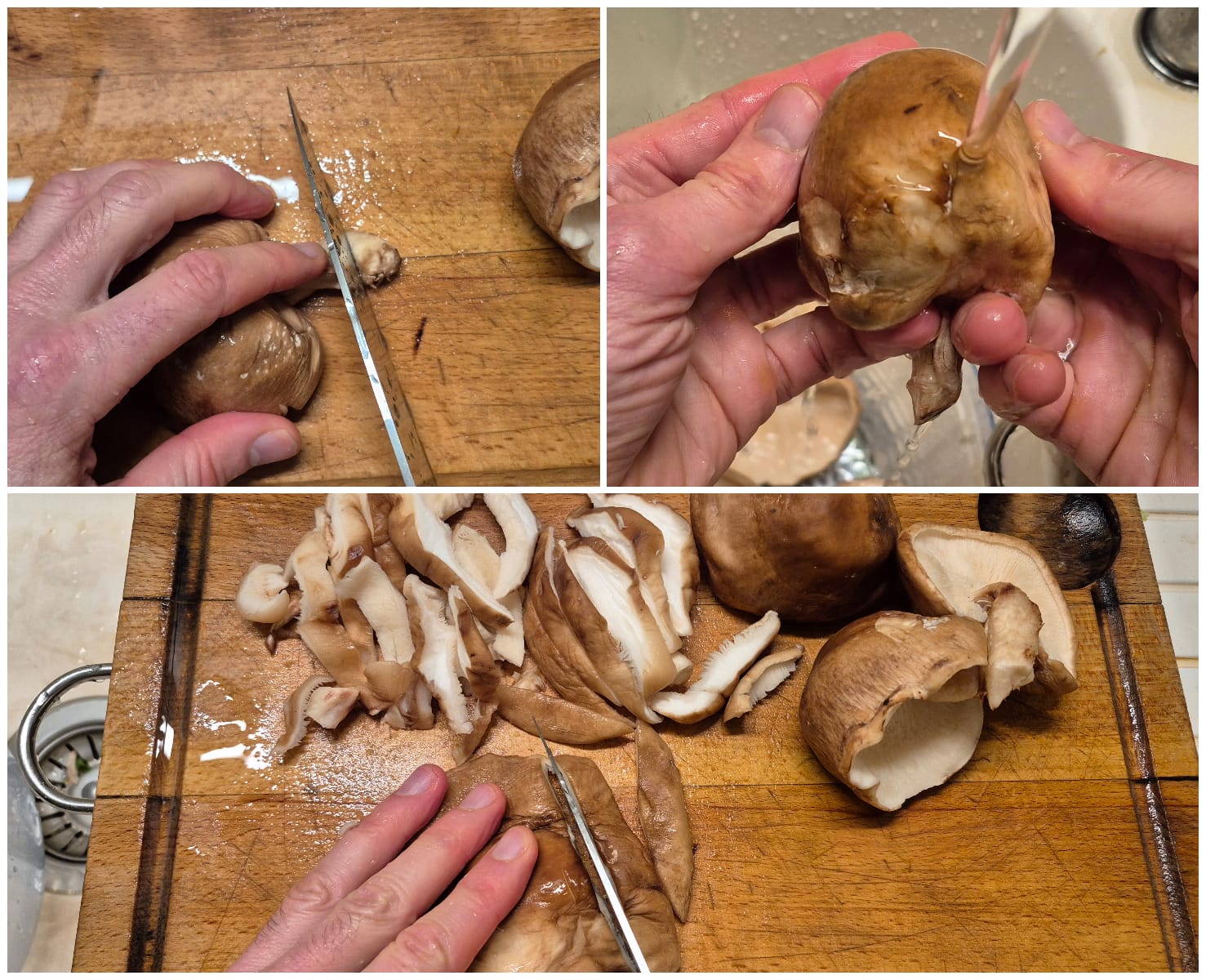
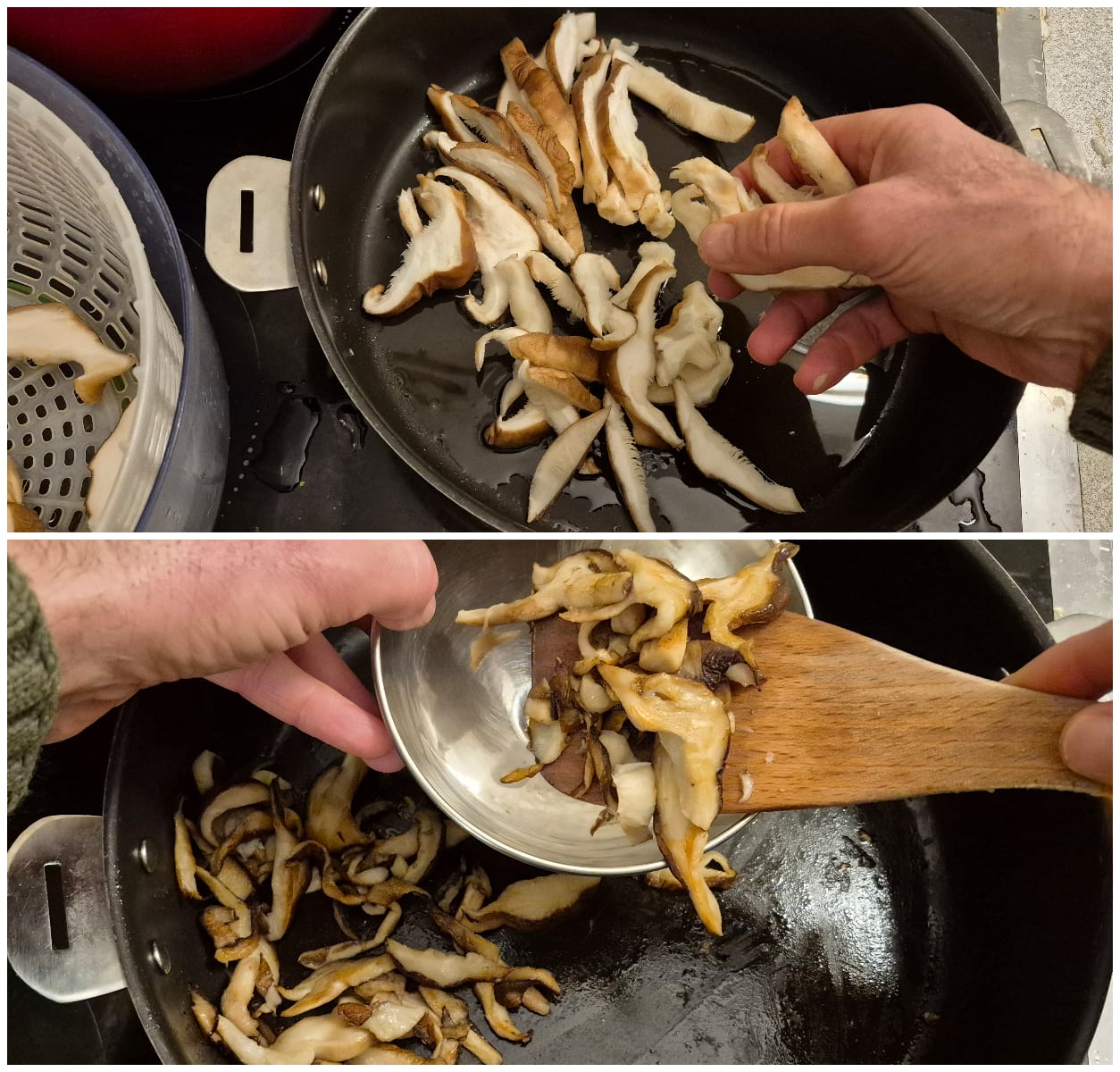
For the vegetables, I used scallions and shiitake mushrooms, but you can substitute them with spring onions and button mushrooms.
I garnish the whole dish with black sesame seeds for an appealing and crunchy finish 😋
Enjoy making and eating this dish! Thank you in advance for your comments 🙏








Leave a comment on this post