This large cooking and pastry lexicon is intended to help you better understand certain recipes containing terms unfamiliar to the uninitiated.
You’ll also find plenty of information on kitchen utensils, from the most classic to the most cutting-edge, on the kitchen utensils and appliances page.
If you know of a culinary term missing from this lexicon, please feel free to contact us and we’ll gladly add it!
Abaisse
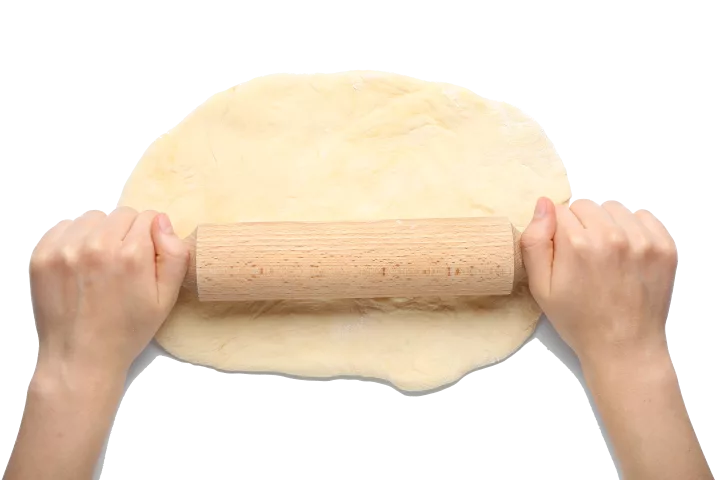
Piece of dough thinned by the roller.
Abaisser (une pâte)
Abaisser une pâte consiste, en vocabulaire pâtissier, à l’étaler à l’aide d’un rouleau à pâtisserie.
Want to know more about this term ? Check out Roll out (dough).
Appareil
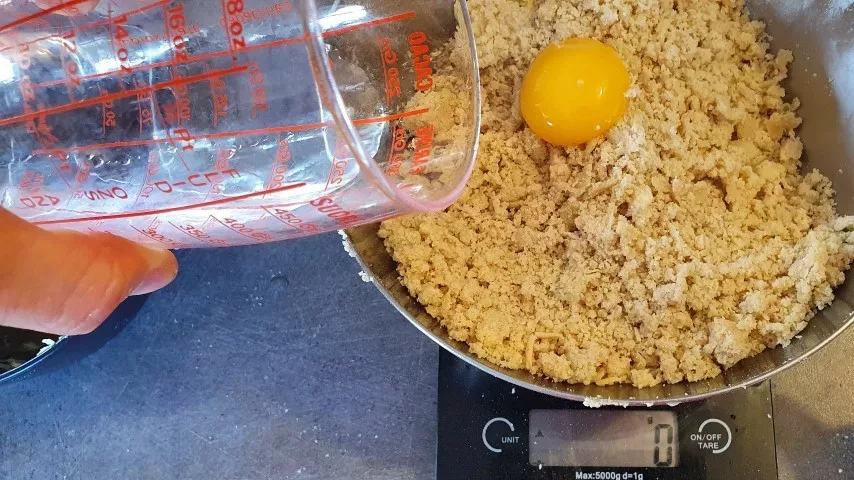
In pastry making, an appareil refers to the preparation used as the base for making a pastry (shortcrust, shortbread…).
Bain-marie
A bain-marie is a cooking technique that consists of plunging the container holding the preparation, into a bath of boiling water.
Beurre pommade
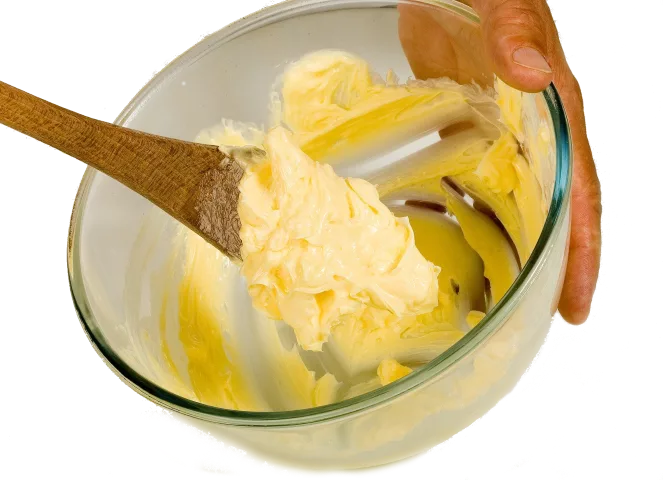
Butter “pommade” is a butter that is softened at room temperature to a consistency similar to that of an ointment.
Want to know more about this term ? Check out Soft butter.
Blanchir (un légume)
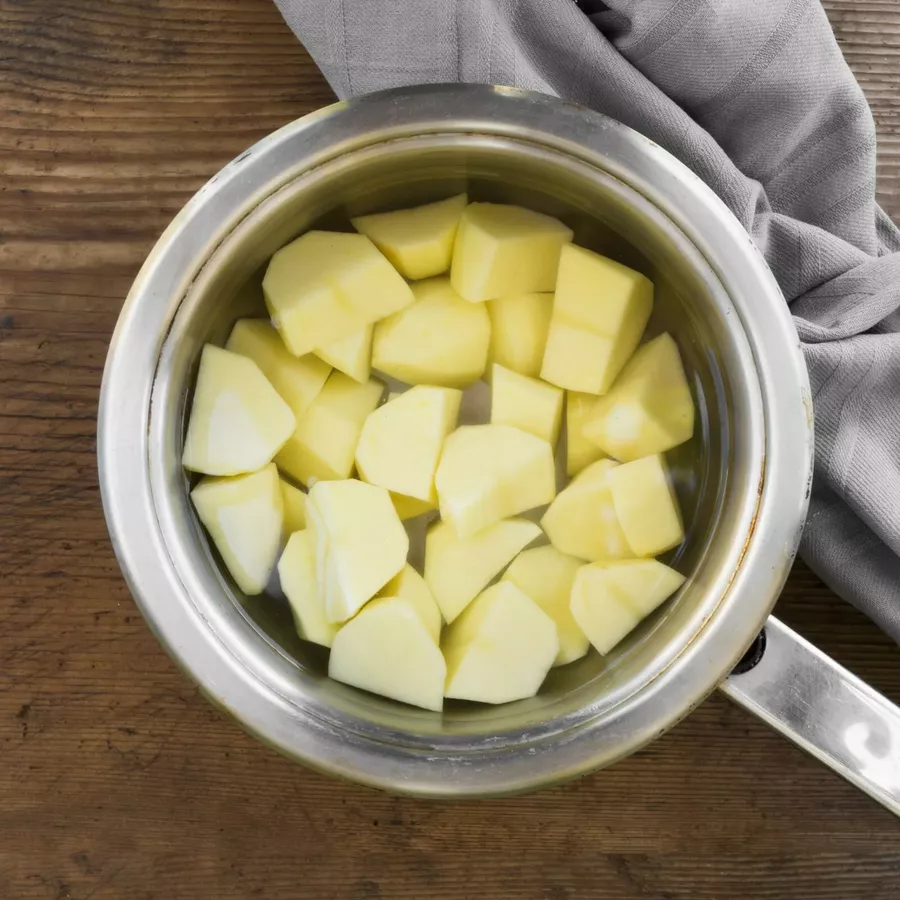
In cooking, blanching an ingredient means plunging it into boiling water for a few minutes.
Want to know more about this term ? Check out Blanch (a vegetable).
Blanchir (un appareil)
En Pâtisserie, blanchir consiste à travailler vigoureusement au fouet les jaunes d’oeuf et le sucre jusqu’à ce que le mélange augmente de volume, et passe du jaune au blanc.
Braiser
Braiser, in cooking, refers to the technique of simmering food for a long time over a low heat in a closed container, as in stewing, in a little more or less flavored liquid.
Brunoise
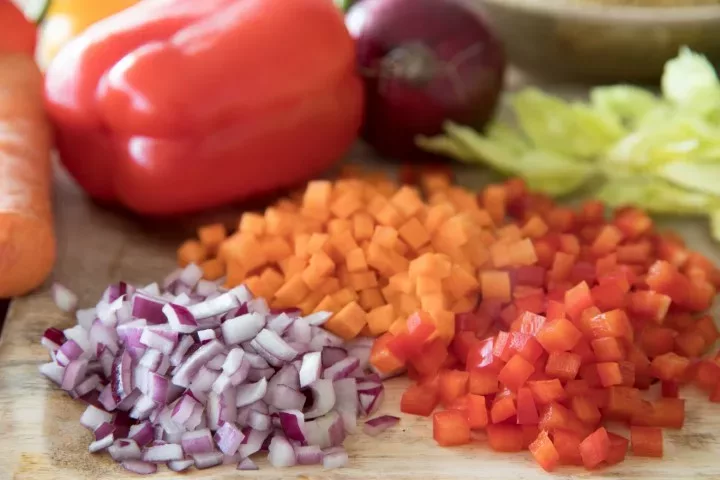
Brunoise is a cutting technique used in cooking to prepare vegetables or fruit in small, even cubes. As a guide, the pieces in a brunoise should not exceed 4mm square.
Want to know more about this term ? Check out What is the "Brunoise" cutting technique in cooking?.
Chemiser
Chemiser in pastry-making, consists of applying a sheet of greased greaseproof paper against a buttered mould, so as to make it easier for your preparation to hold once baked
Crushing
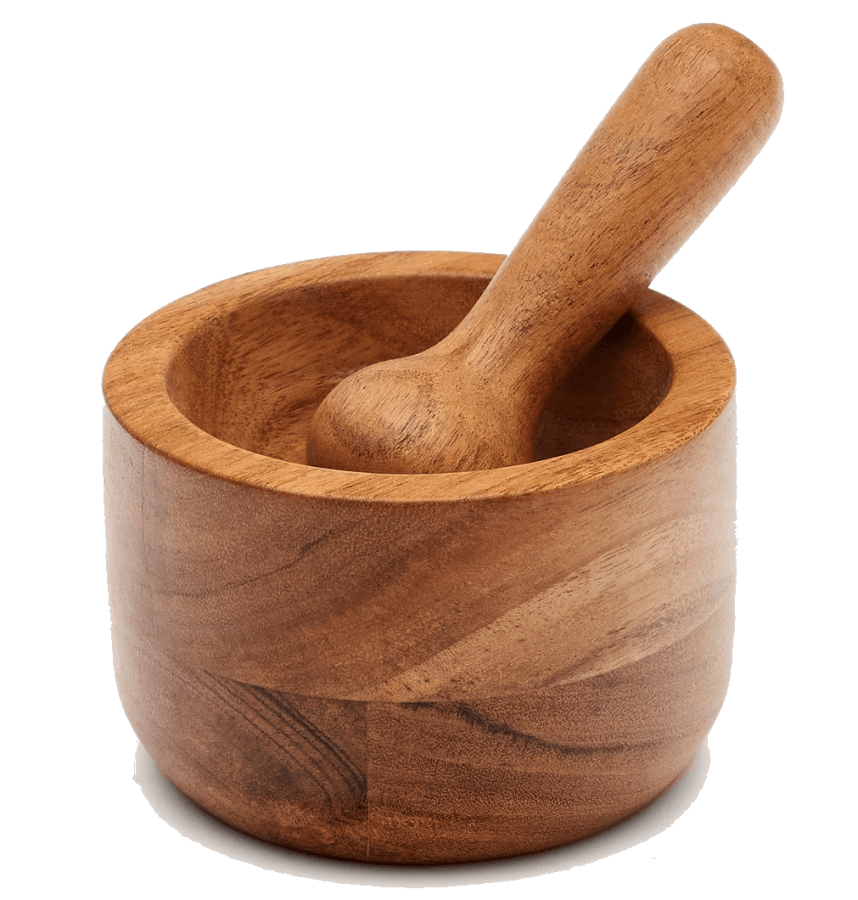
To crush an ingredient is to crush it roughly, using a mortar and pestle for example.
Want to know more about this term ? Check out How do you chop your ingredients in the kitchen?.
To degloss (vegetables)
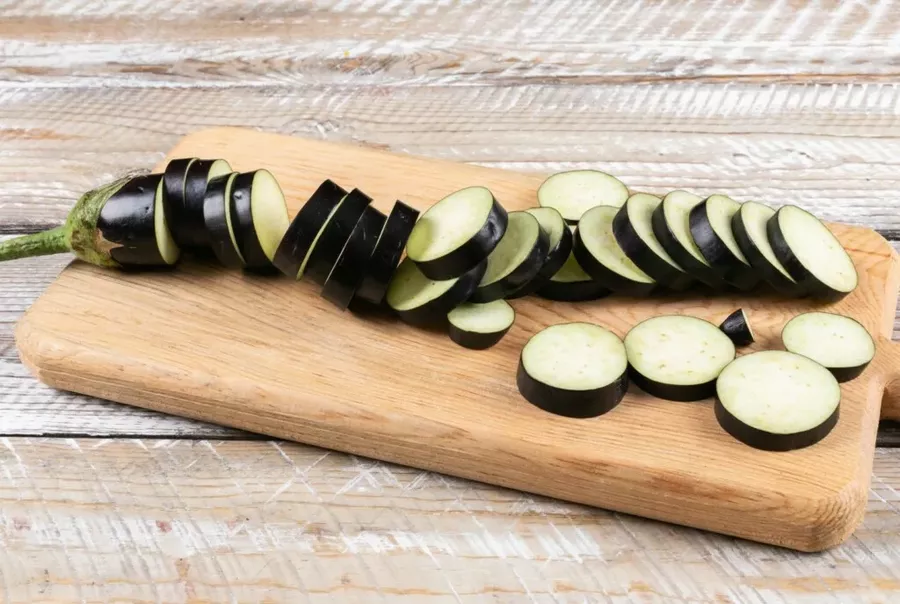
The action of deglossing a vegetable consists of evacuating some of its water, so that it can more easily soak up the oil or other cooking fat.
Want to know more about this term ? Check out Drain the vegetables.
Déglacer
In cooking, this term refers to recovering the fatty juices from meat, fish or even vegetables that have stuck to the bottom of a pan. Wine (red or white) or vinegar is most often used. Deglaze over a low heat, and remove from the heat as soon as the liquid has absorbed the juices, unless you decide to switch to simmering by adding more water
Dorer
To coat the top of a pastry with a brush, either with milk, whole egg beaten into an omelette, or egg yolk mixed with a little water (the water prevents the yolk from burning too quickly in the oven).
Slice
Cut into thin slices.
Emonder (des amandes)
Remove the skin from almonds after scalding them. The result is almonds “emondées”.
To darken
To line the inside of a mold or pie dish with dough or paper.
Fraiser
To work a dough, flat, with the palm of the hand, in order to make it homogeneous and very supple.
Glacer
In pastry-making, glazing can refer to two techniques:
1) Covering the pastry with fondant, caramel, water powdered sugar,
2) Sprinkling with sugar and caramelizing over an open fire or in the oven
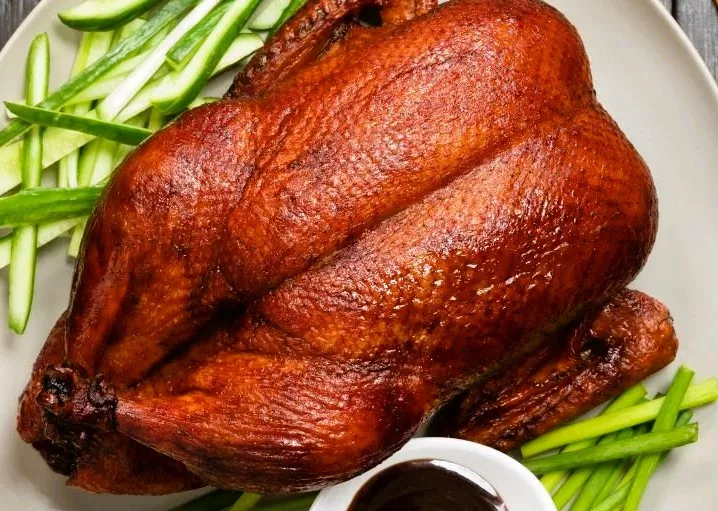
Lacquer
Lacquering, originating from Asian culinary tradition, consists of applying a shiny, flavorful coating to food.
Want to know more about this term ? Check out What is lacquer finishing in the kitchen?.
Macerate
To soak fruit in a liquid, such as alcohol, to perfume it. Sometimes the liquid is the fruit’s own juice, in the case of rhubarb for example, which is left to macerate so that it gives up its water.
Manier
To work butter and flour together, usually with the hands, to obtain a homogeneous mixture.
Marinate
To let a meat or fish rest in a mixture to give an aroma to this ingredient, but also to cook it as for a salmon carpaccio.
Simmer
Leave to cook gently over a low heat.
Monder (almonds)
See “emonder (almonds)”.
Pincer
Pincer (or to make pincer) consists in coloring the meat to recover its juices at the bottom of a frying pan or sautoir. These juices can be used to make sauces or aromatic stocks.
Prick
Make holes in dough with a fork or knife to prevent it from puffing up during baking.
Dry reduce
Heat a liquid until there is no trace of liquid left in the pan, but without letting the reduction burn!
Roux
Roux is a simple combination of flour and fat, cooked together to create a base used as a binder in various sauces, soups, and other culinary preparations.
Want to know more about this term ? Check out Everything You Need to Know About Roux in Cooking.
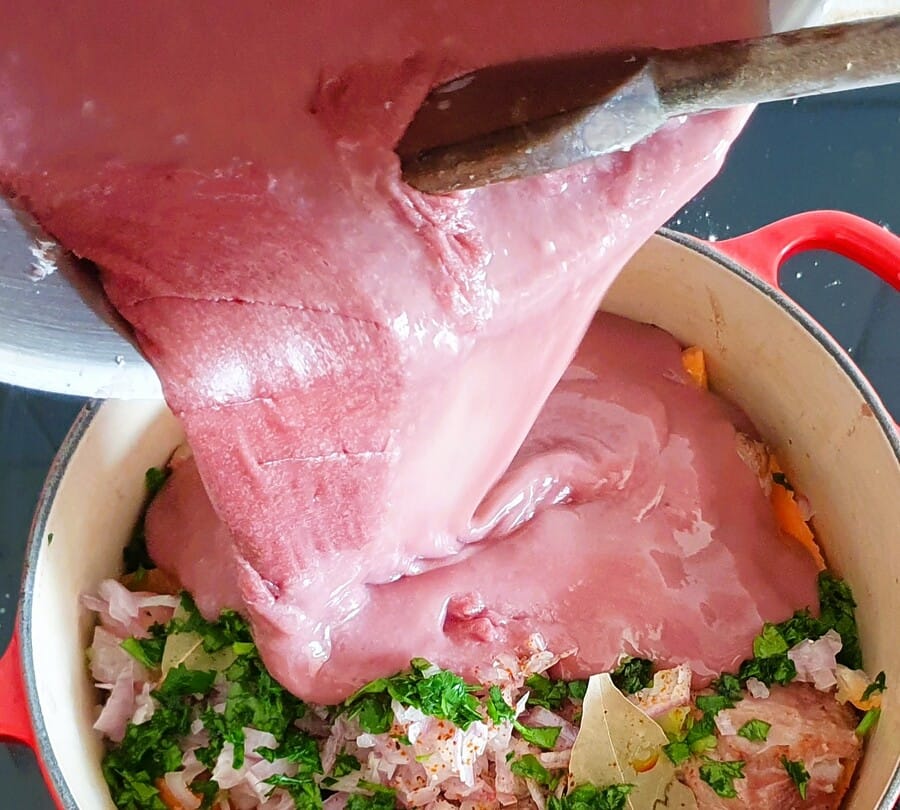
Syrup
A syrup is a liquid preparation obtained by boiling together an equivalent quantity of water and sugar.
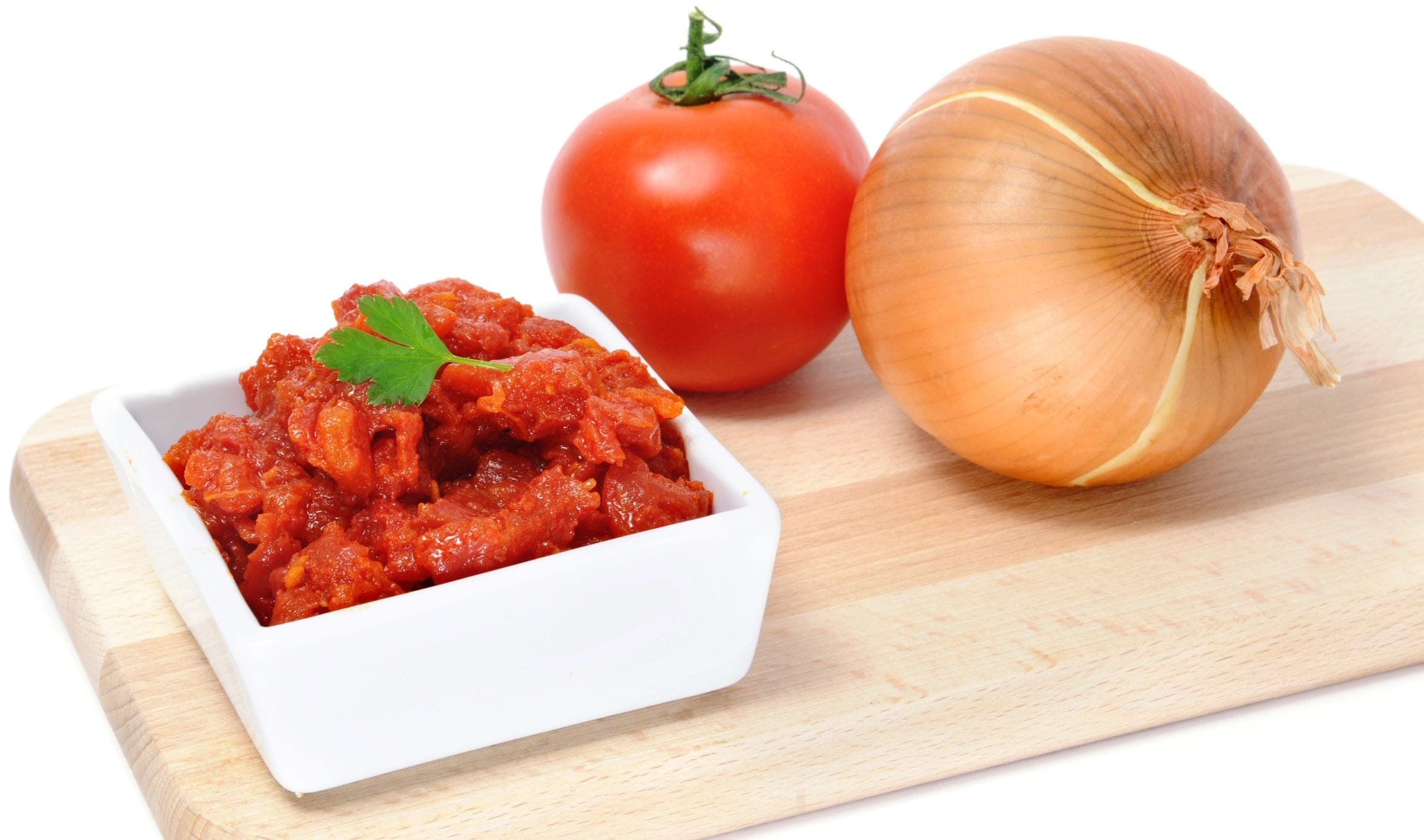
Sofrito
Sofrito is a culinary base of Iberian origin, used particularly in Spain, Portugal and Latin America. It’s a mixture of onion, garlic, tomato, sometimes bell pepper and herbs, gently browned in olive oil. Simmered for a long time, it is used to create a tasty base for rice dishes such as paella, stews, legumes or sauces. Similar to the French mirepoix, it brings an essential aromatic depth to many traditional preparations.
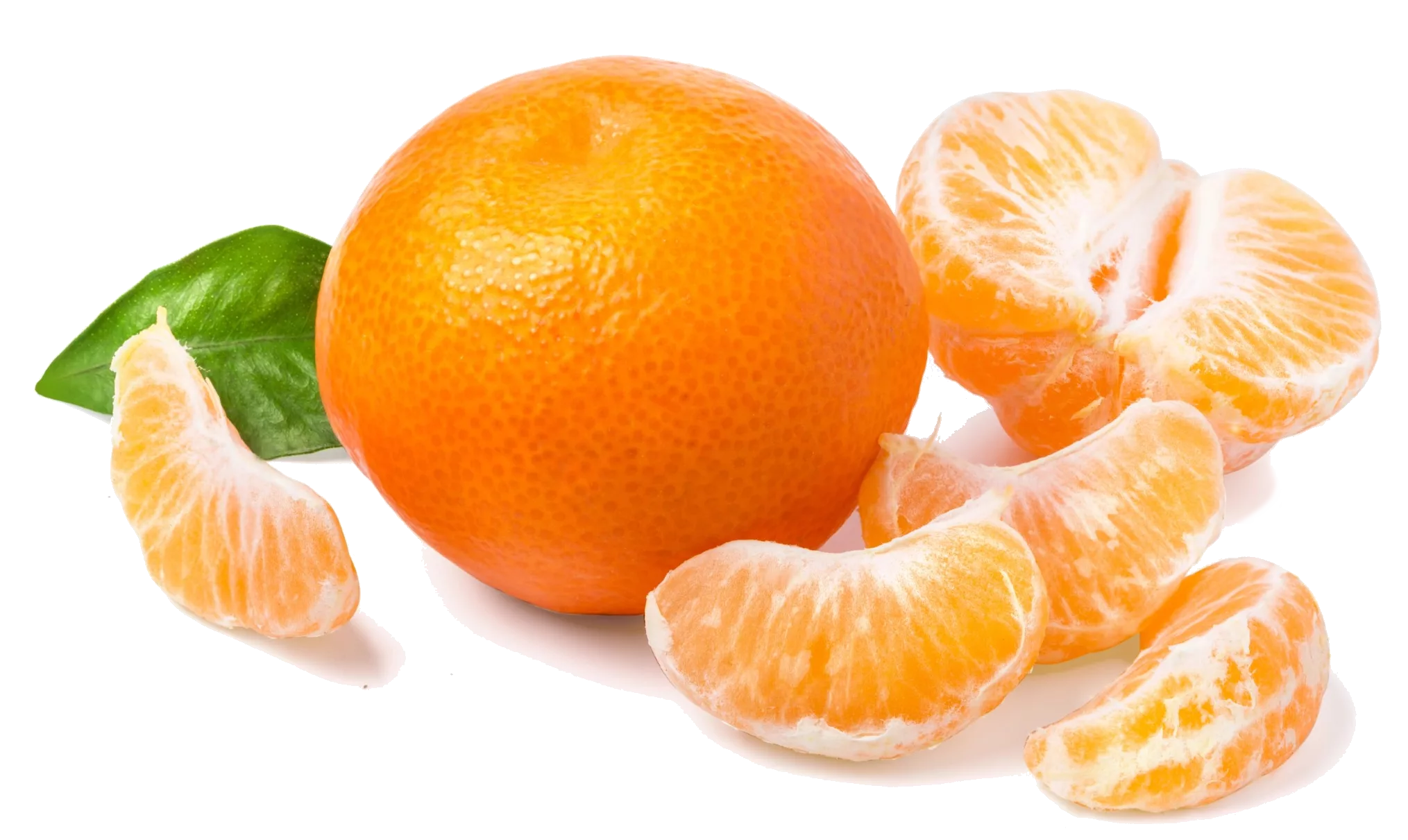
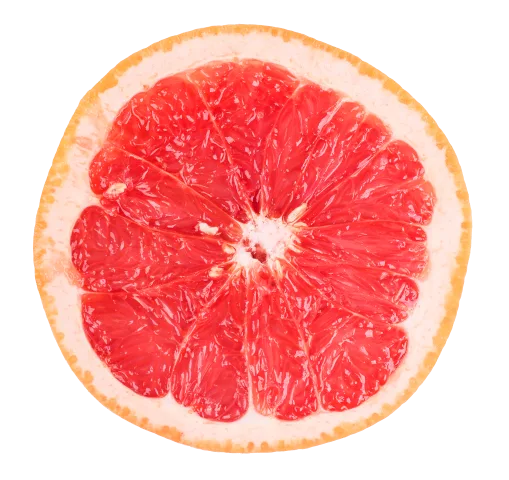
Supreme (citrus)
The supreme refers to the segments of a citrus fruit (orange, lemon, grapefruit, etc.) that are peeled raw, i.e. stripped of their skin, white membrane and any seeds, leaving only the juicy pulp.
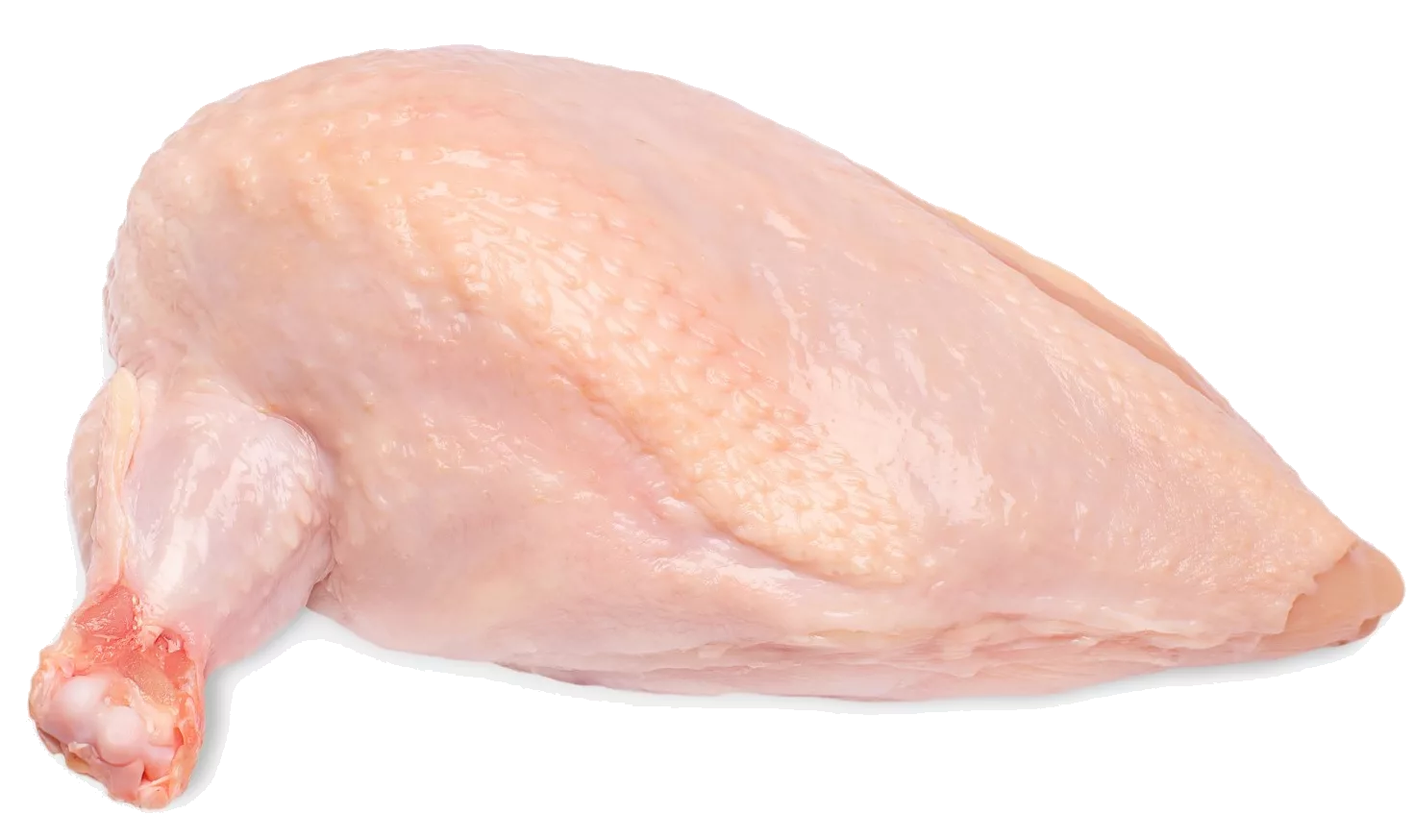
Suprême (de volaille)
The supreme is the finest, most tender part of a bird, usually the breast with the fin. The term “suprême de volaille” can also be used for particularly well-prepared and often boneless pieces, ready for cooking or serving.
To work (a preparation)
To mix a preparation vigorously in order to make it smooth and homogeneous, and to eliminate any lumps.
Soak
Drizzle a syrup over a cake (for example, a baba au Rhum, a sponge cake…).
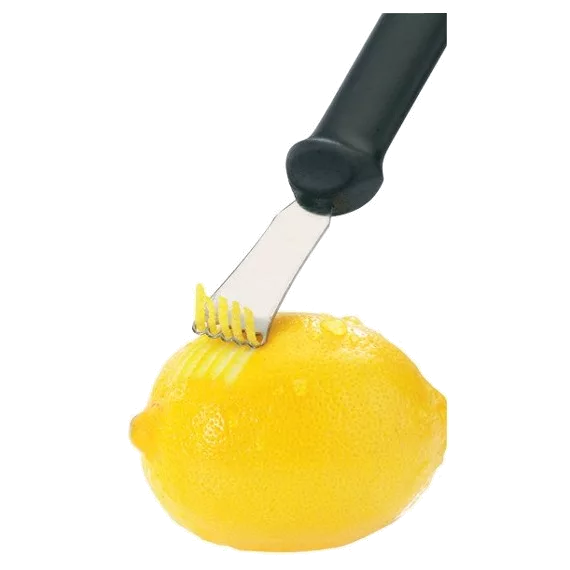
Zest
Zest is the outer skin of a citrus fruit. If the fruit is not organically grown, the zest may contain harmful substances (particularly traces of pesticides), so rinse well with water (preferably hot) before adding to a dish or cocktail.

Zester
To grate a citrus peel in order to remove the zest.
Ziste
The ziste of a citrus fruit is the inner white membrane beneath the peel. Because of its bitter taste, it’s best to remove the ziste before using the peel in recipes.
Follow us on social media