




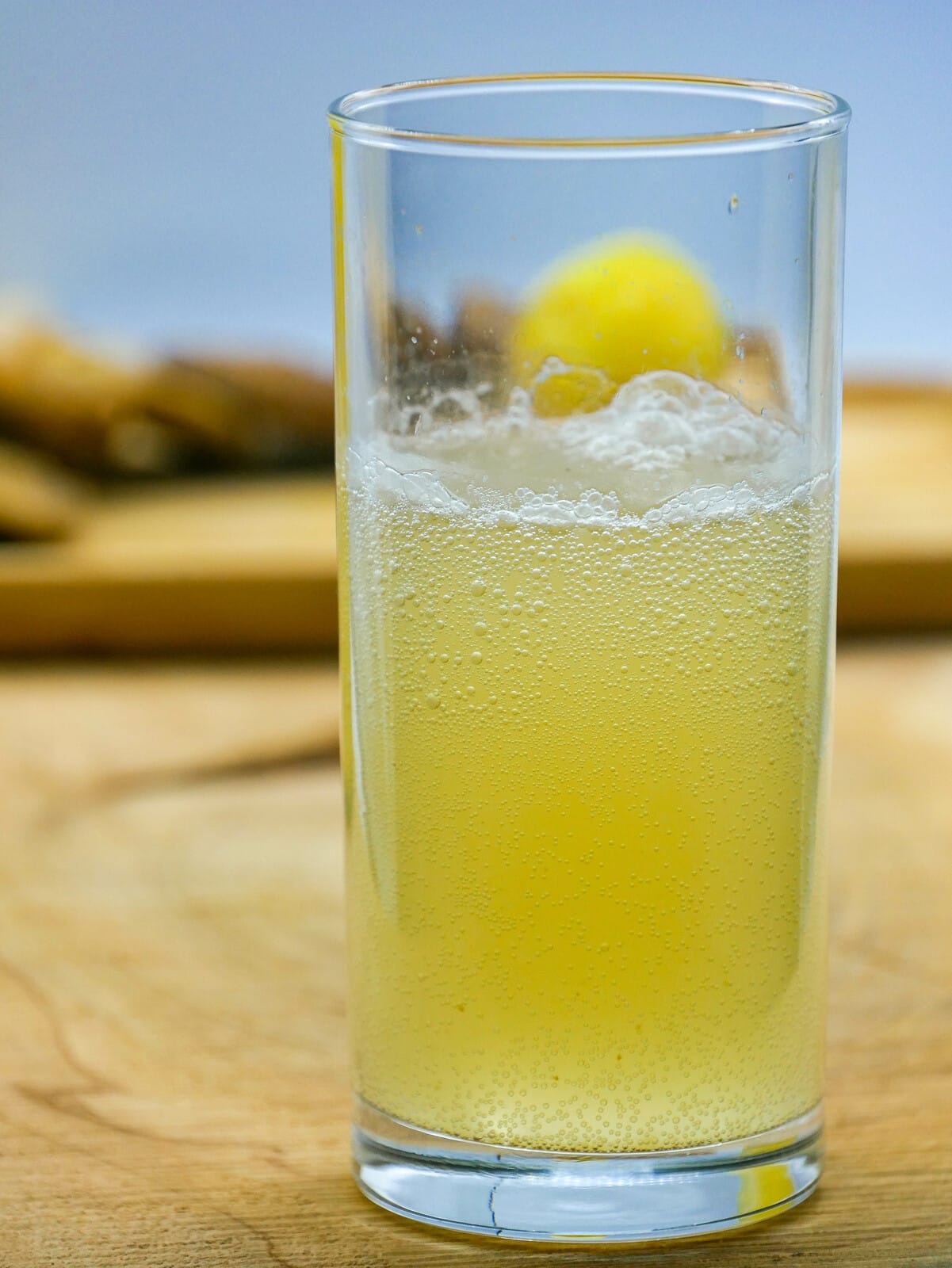
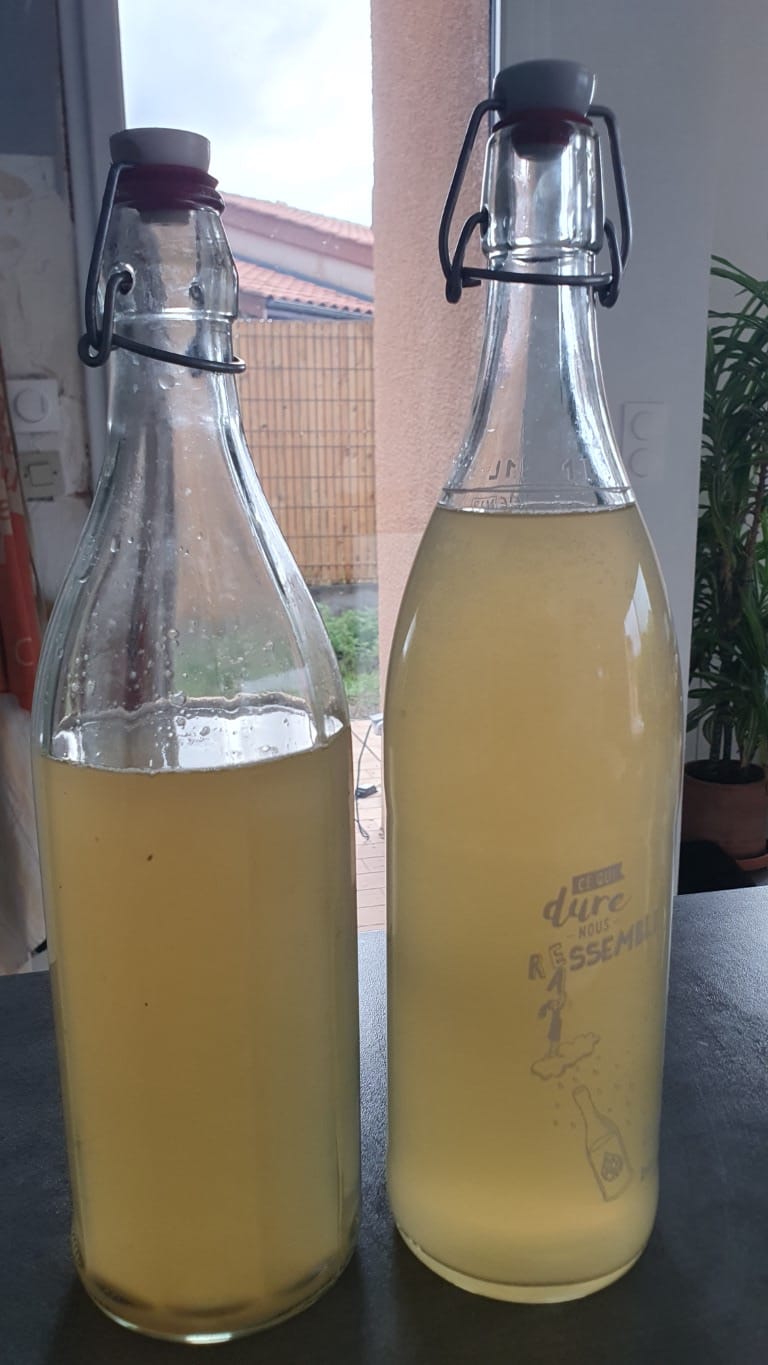
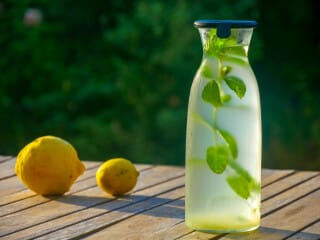
That’s it—I’ve finally made my own fruit-infused water kefir, with lemon and dried figs. I discovered this delicious fermented drink while on vacation, and I’m thrilled to be able to make it myself now. So here’s my recipe and my experience!
What is kefir?
If you’re not familiar with fruit-infused water kefir, it’s a traditional fermented drink that’s slightly fizzy and naturally rich in probiotics. It’s made using kefir grains composed of beneficial yeasts and bacteria. It’s a healthy and refreshing alternative to store-bought sodas.
It’s worth noting that fruit and water kefir is called this in contrast to milk kefir, which is based on different yeasts and bacteria.
Personally, I found it interesting (and fun) to be able to make sparkling, flavored water using yeast. Until now, I thought the only way to get this kind of carbonated drink was to use CO2 cylinders, which are more or less eco-friendly. And if it’s also a healthy drink packed with probiotics, then I say “yes”!
💡Did you know?
Water kefir is also known by other names… In several Latin American countries, it’s called tibi or tibicos. These names come from the fact that, in Mexican tradition, kefir grains were often found in their natural state on prickly pears (Opuntia). They were then nicknamed “tibi crystals” or “tibi cactus.” Today, these terms remain synonymous with water kefir and refer to the same live culture of beneficial bacteria and yeast.
Where can you find kefir grains?
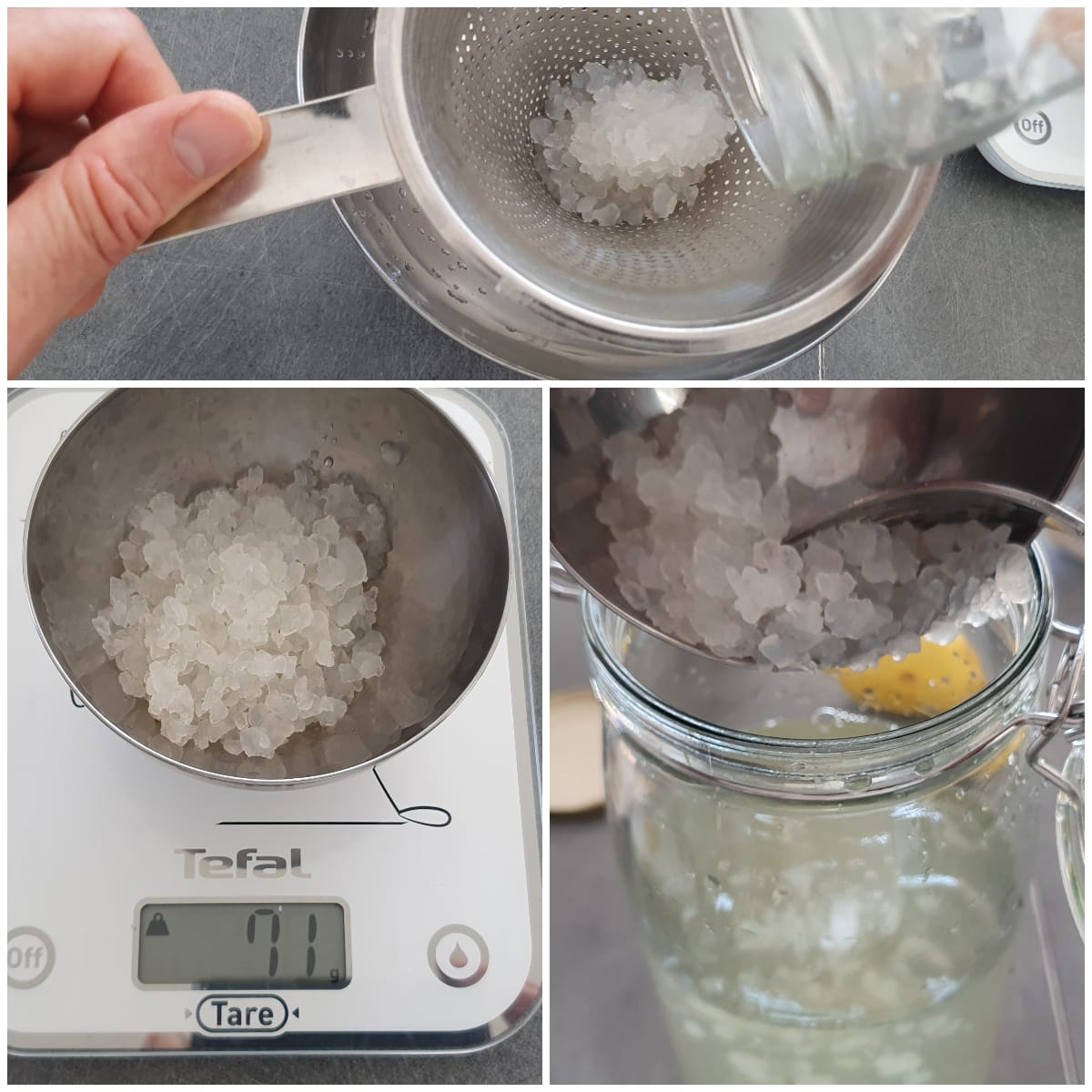
You may be wondering how to get your hands on these famous kefir grains. In stores, they are sold in dried form, which must be rehydrated ("reactivated") before use.
But if you shop at organic grocery stores, ask them. They might have "live" grains to give you. In fact, some customers bring in cultures from their own production, just like with kombucha cultures.
How to make water and fruit kefir?
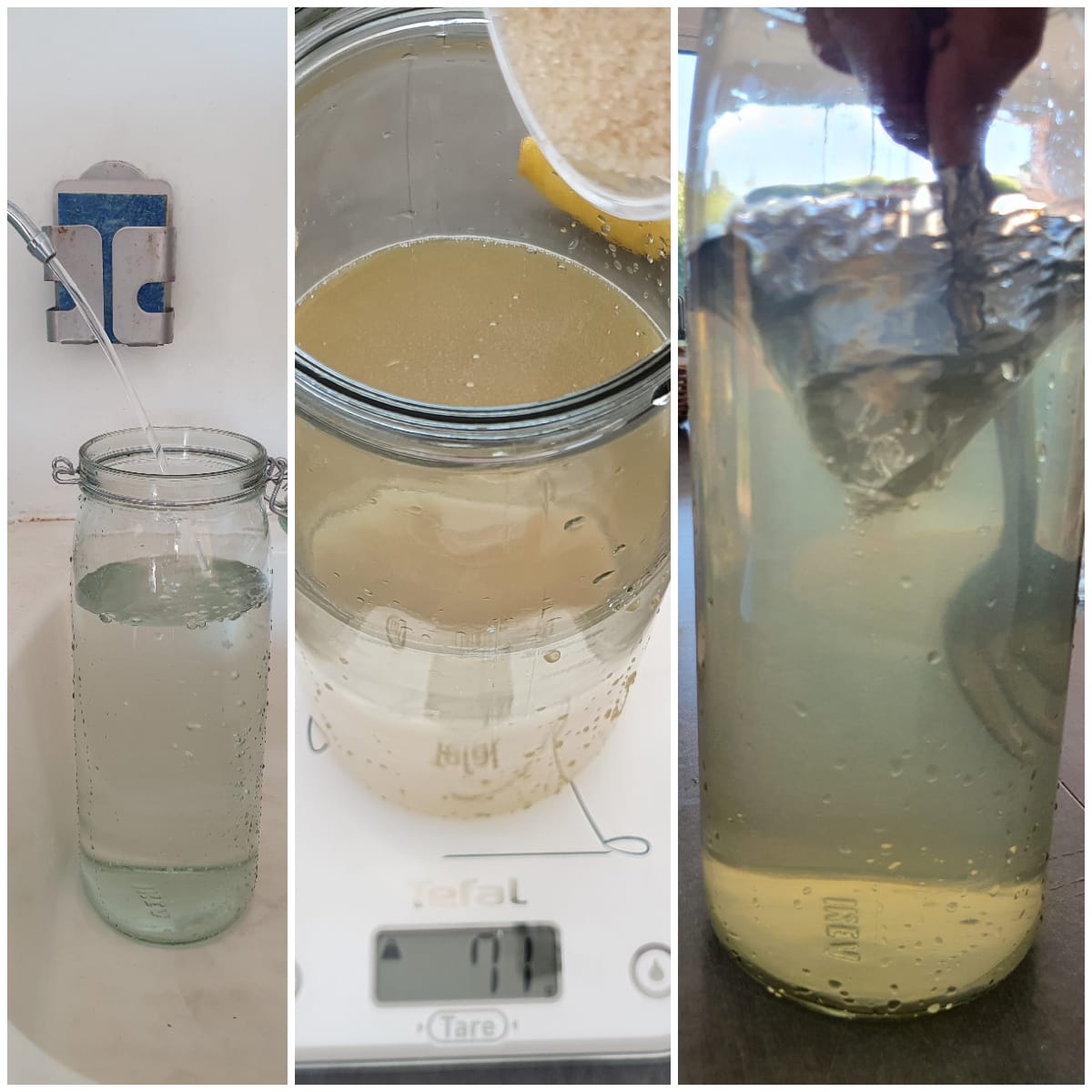
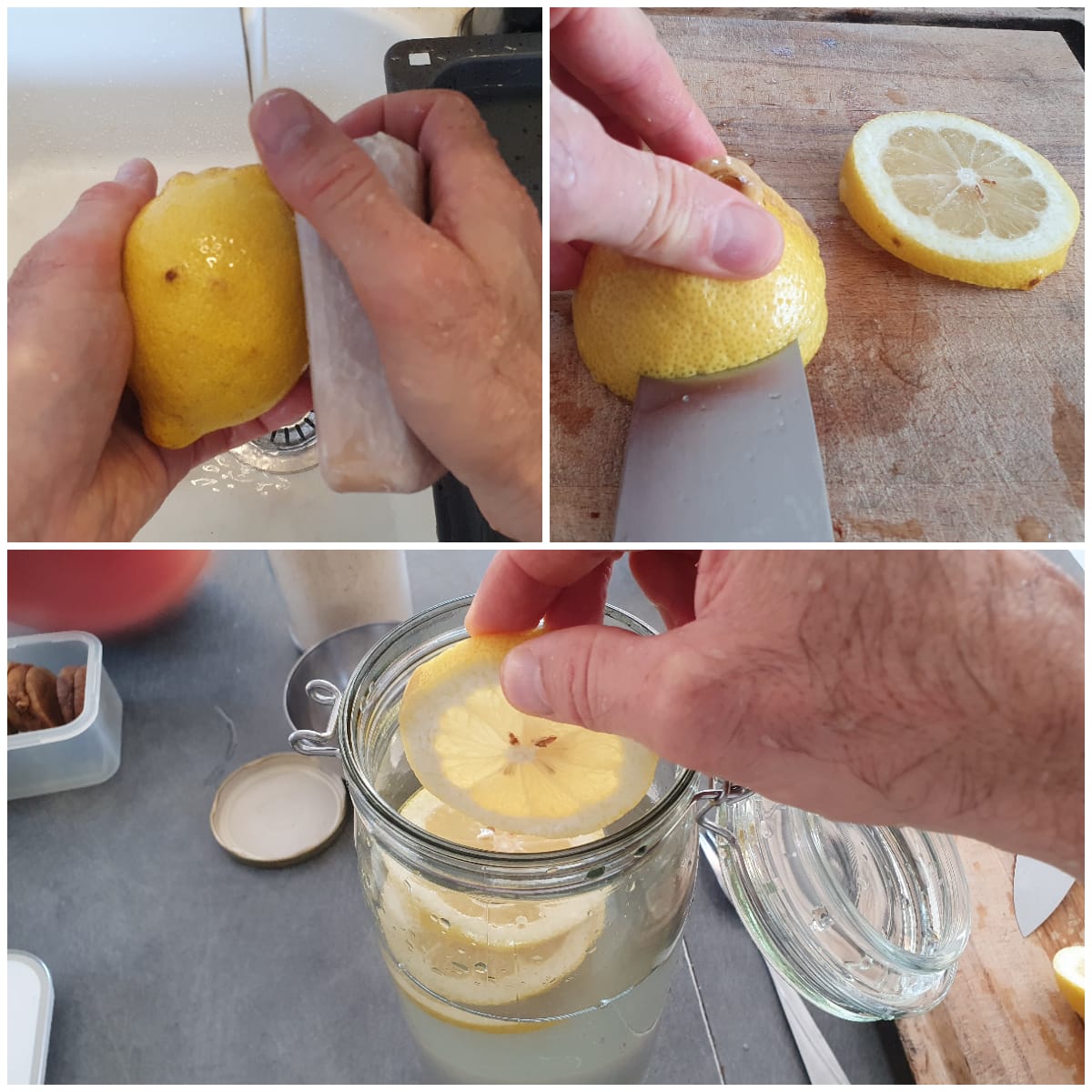
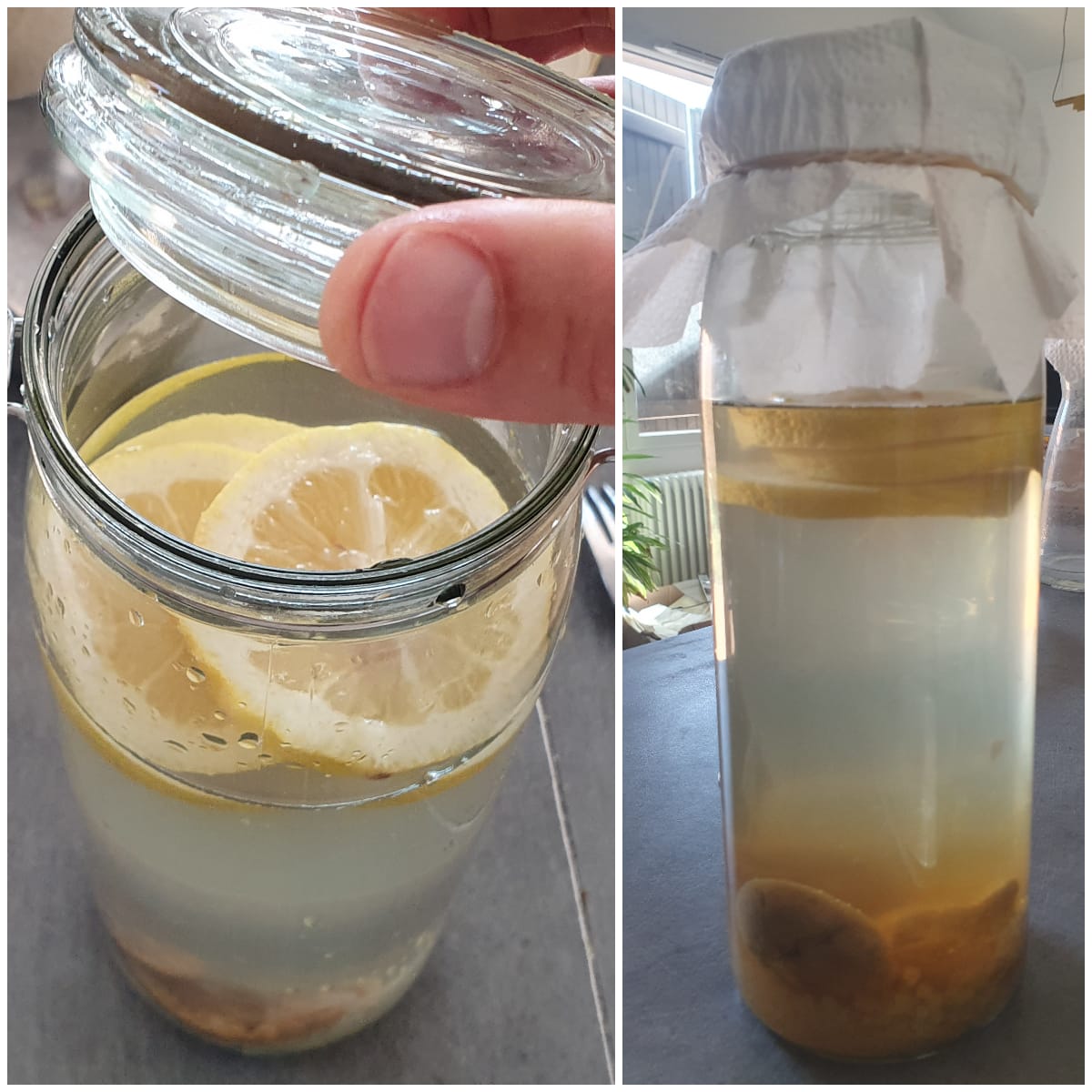
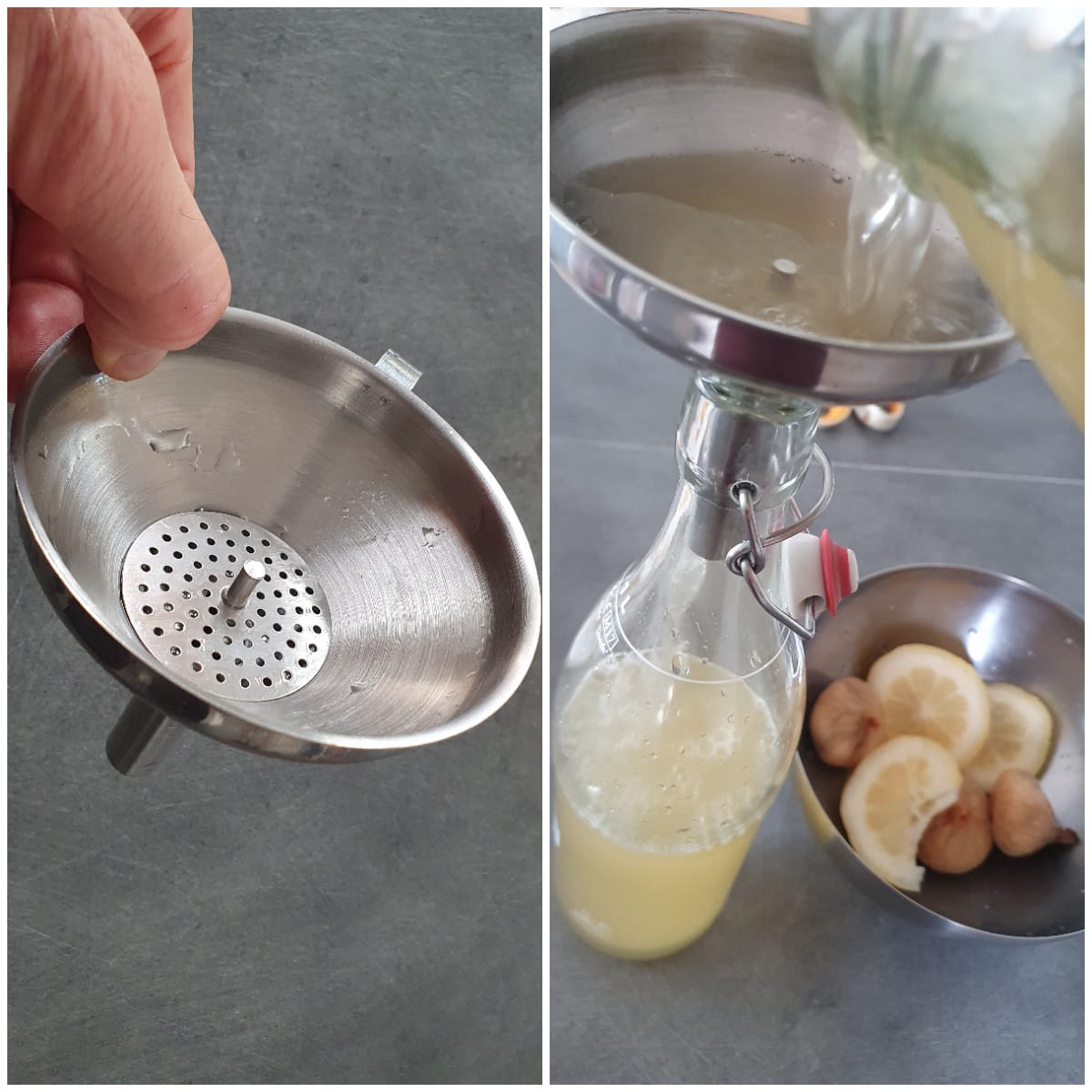
To prepare this lemon-fig kefir, you’ll need to go through two fermentation stages, each lasting roughly the same amount of time (one to two days each):
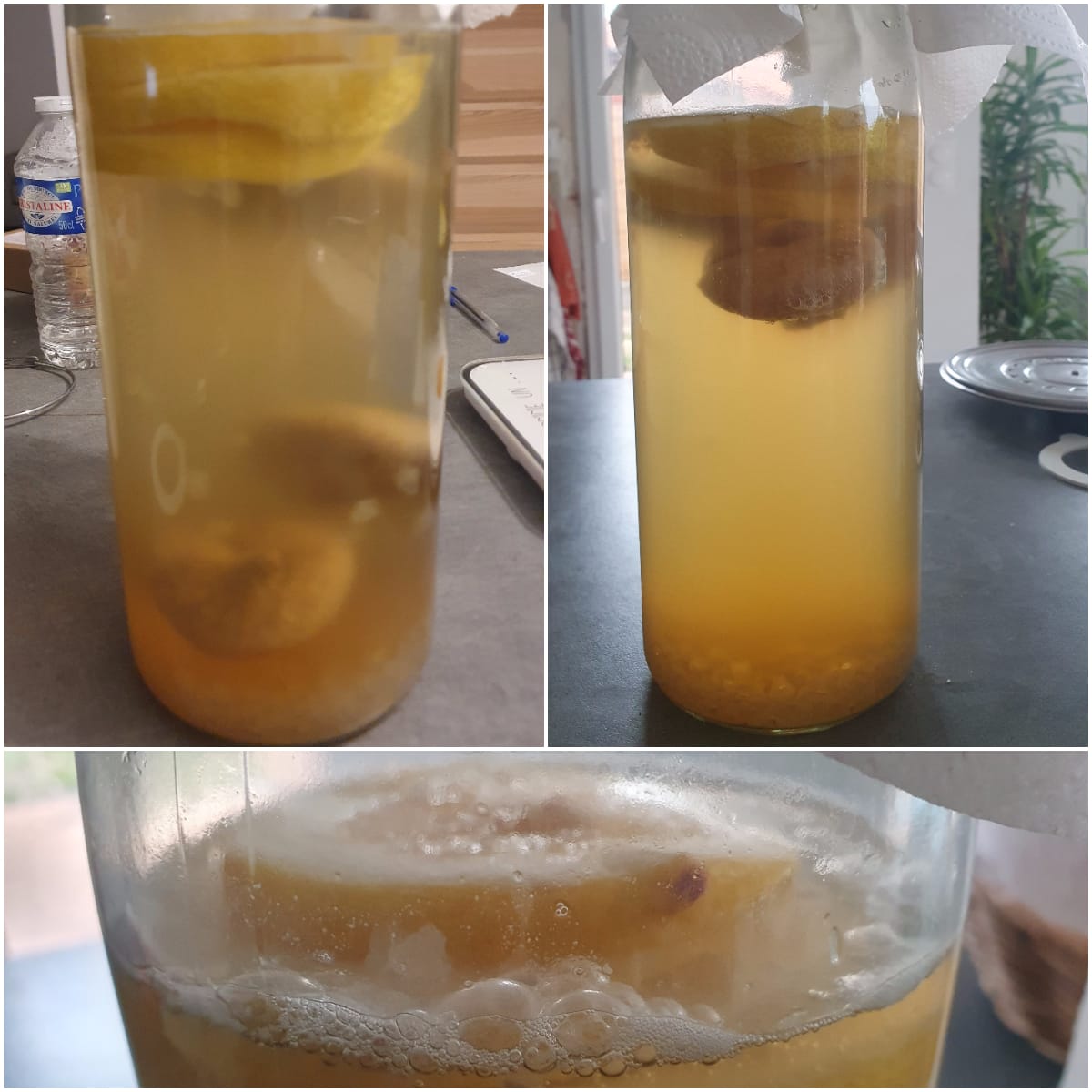
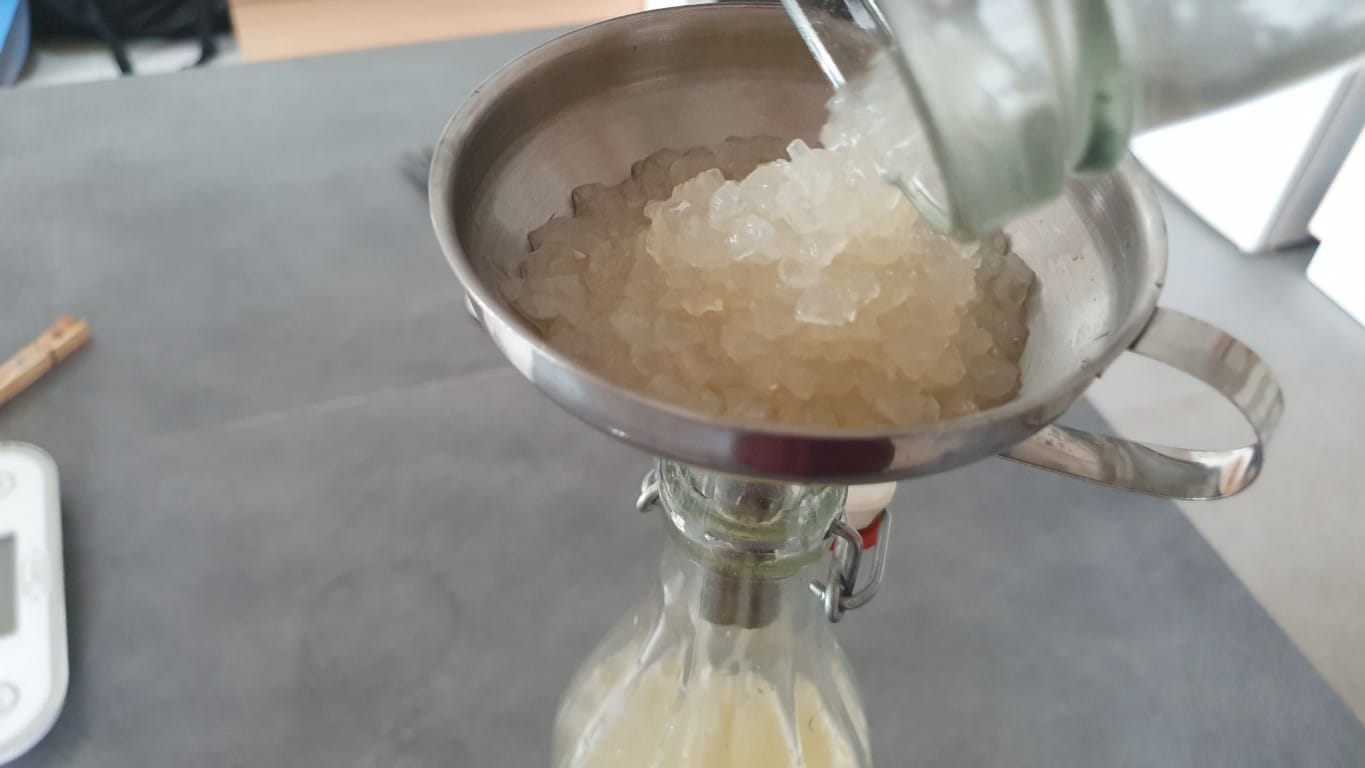
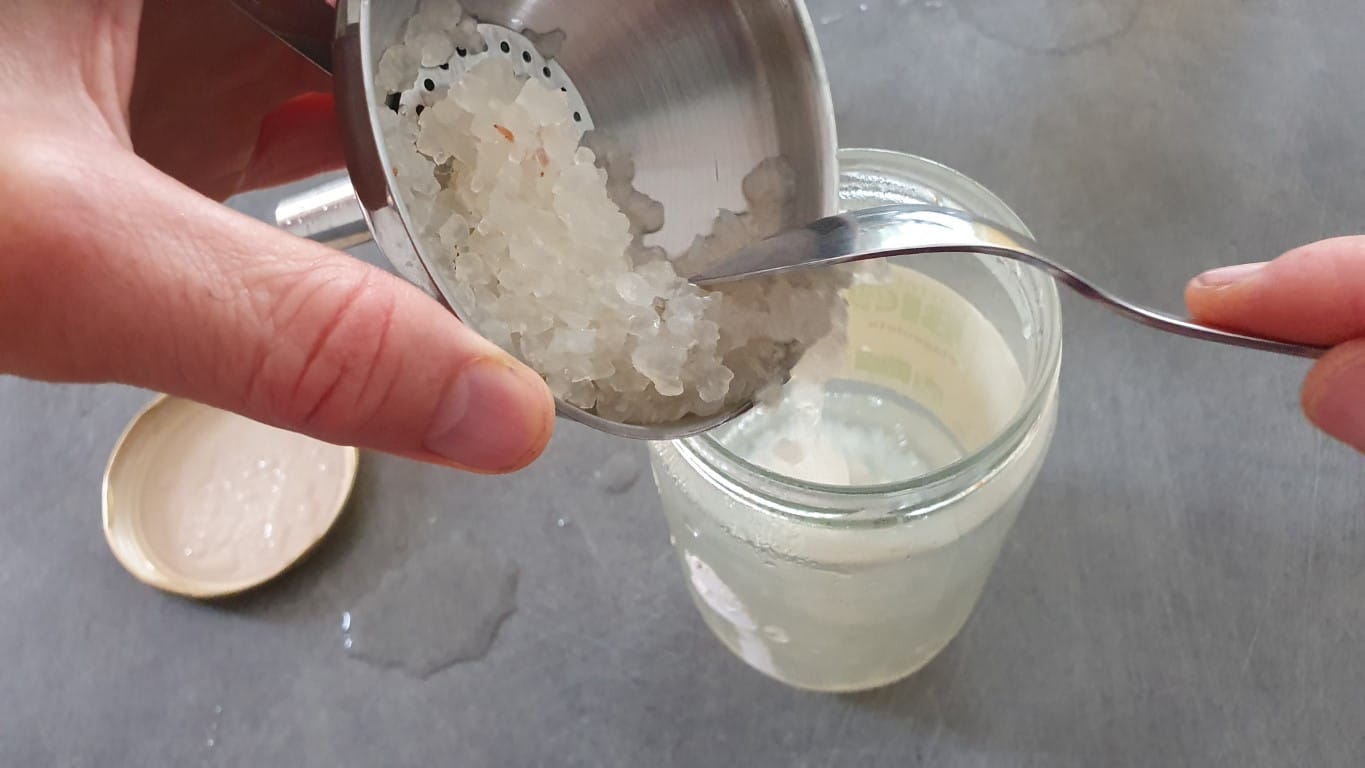
The first fermentation takes place with the kefir grains, allowing them to absorb the sugar from your mixture and convert it into gas, organic acids, and a small amount of alcohol. At the end of this stage, you’ll have a slightly sparkling, less sweet drink that’s already ready to drink.
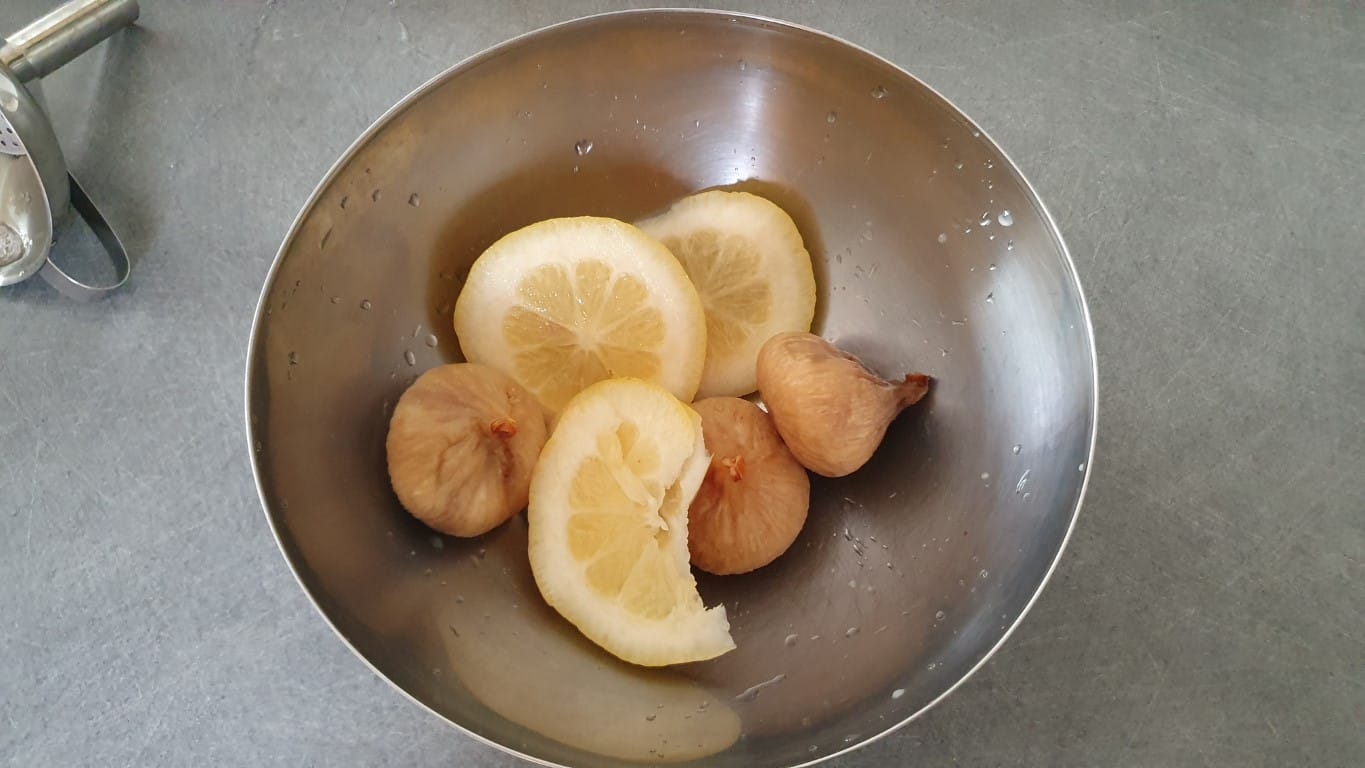
The second fermentation takes place without the kefir grains; it increases carbonation (which gives kefir its natural fizz) and develops more complex flavors. It is during this second fermentation that you can also flavor your kefir.
Which dried fruits should you use for the first fermentation of your kefir?
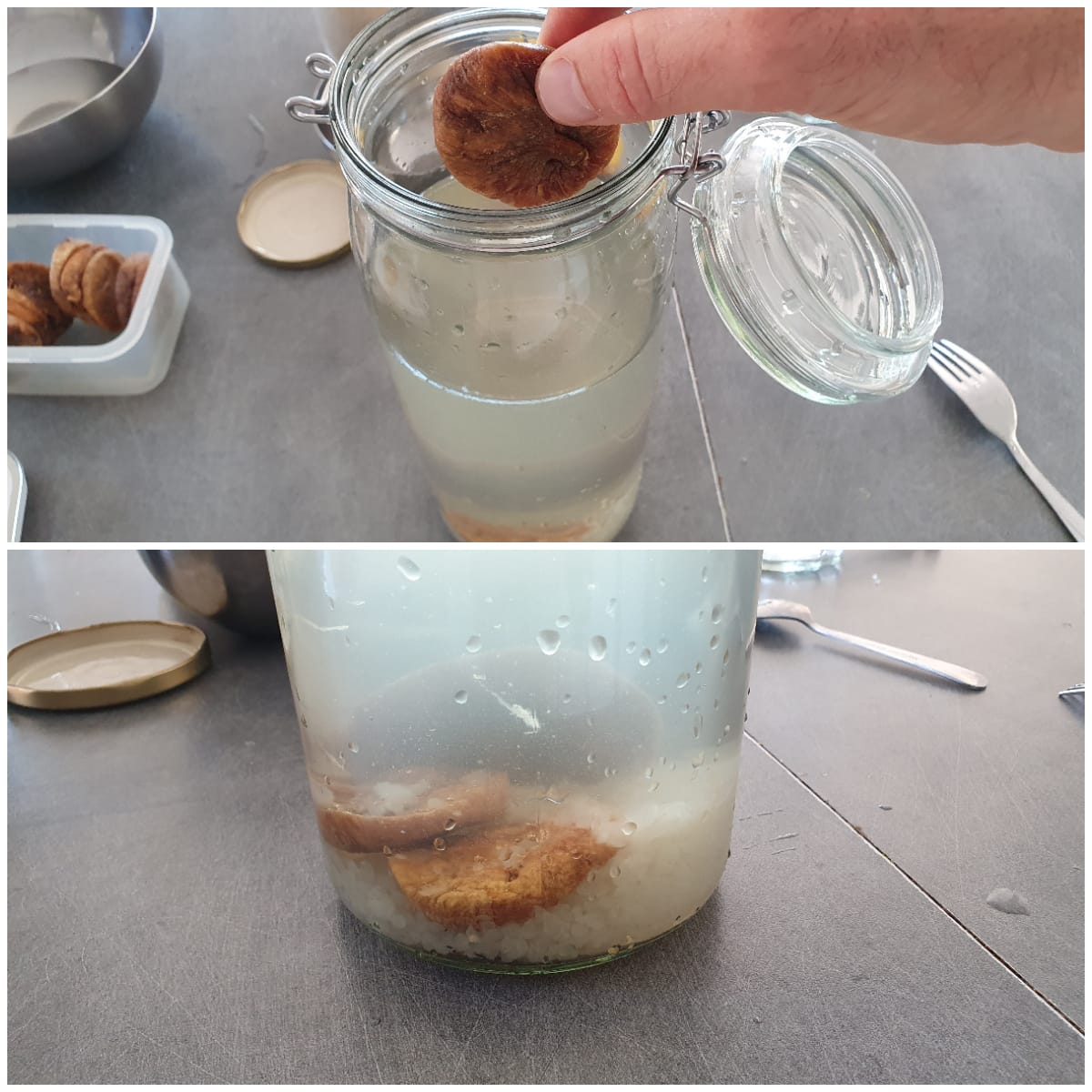
For the first fermentation of fruit kefir, the standard recommendation is to use 1 to 2 unsulphured dried figs per liter of water, as they provide an optimal balance of fermentable sugars and minerals, which is essential for the health of the grains.
- For example, 1 heaping tablespoon of raisins provides a sugar content comparable to 1 dried fig and can be used alone or as a supplement without risk.
- Alternatively, you can also use brown dried apricots or prunes, in the same proportions as with figs.
- Finally, dates have a higher sugar concentration than figs, so even though they are smaller, a one-to-one ratio provides an approximately equivalent amount of sugar.
Beyond these alternatives, dried figs remain the standard, and it is on this basis that most of your fermentations should be carried out in order to preserve the activity of your kefir grains over time and achieve stable fermentations.
When and how should you drink your fruit kefir?
Once your water and fruit kefir is ready, you can enjoy it at any time of day, and also serve it as an original aperitif when entertaining guests.
Before serving the kefir, gently shake the bottle to mix the drink. Avoid pairing it with alcohol or overly sweet drinks, and do not heat it (this would kill the cultures).
What are the health benefits of fruit kefir?
Water and fruit kefir is a drink rich in natural probiotics, which help balance gut flora and improve digestion. It can help strengthen the immune system, improve nutrient absorption, and promote regular bowel movements.
Low in sugar, slightly sparkling, and refreshing, it also provides B vitamins, minerals, and organic acids that are beneficial to the body.
How do I store my kefir grains between fermentations?
It is essential to store your kefir grains properly so they remain vigorous and allow you to produce sparkling kefir for a long time. To learn about all the possible methods, check out the article .
Give it a try!
I hope this recipe inspires you to try making this lemon-fig kefir yourself. If so, I hope you have a great time making and enjoying it 😋
Thank you in advance for your comments!










Hey Ratatouille, I had my first homemade kefir this morning—and it definitely won’t be my last… It’s amazing! Thanks for the great recipe! Have a great Sunday
Thanks, Angeline! I'm so glad you discovered this magical drink thanks to my recipe 😊 You'll see—once you get the hang of it, you'll be able to make it with your eyes closed. It's a little slice of homemade happiness that really lifts your spirits!
Who knows, maybe you'll "convert" others to it too 😉