




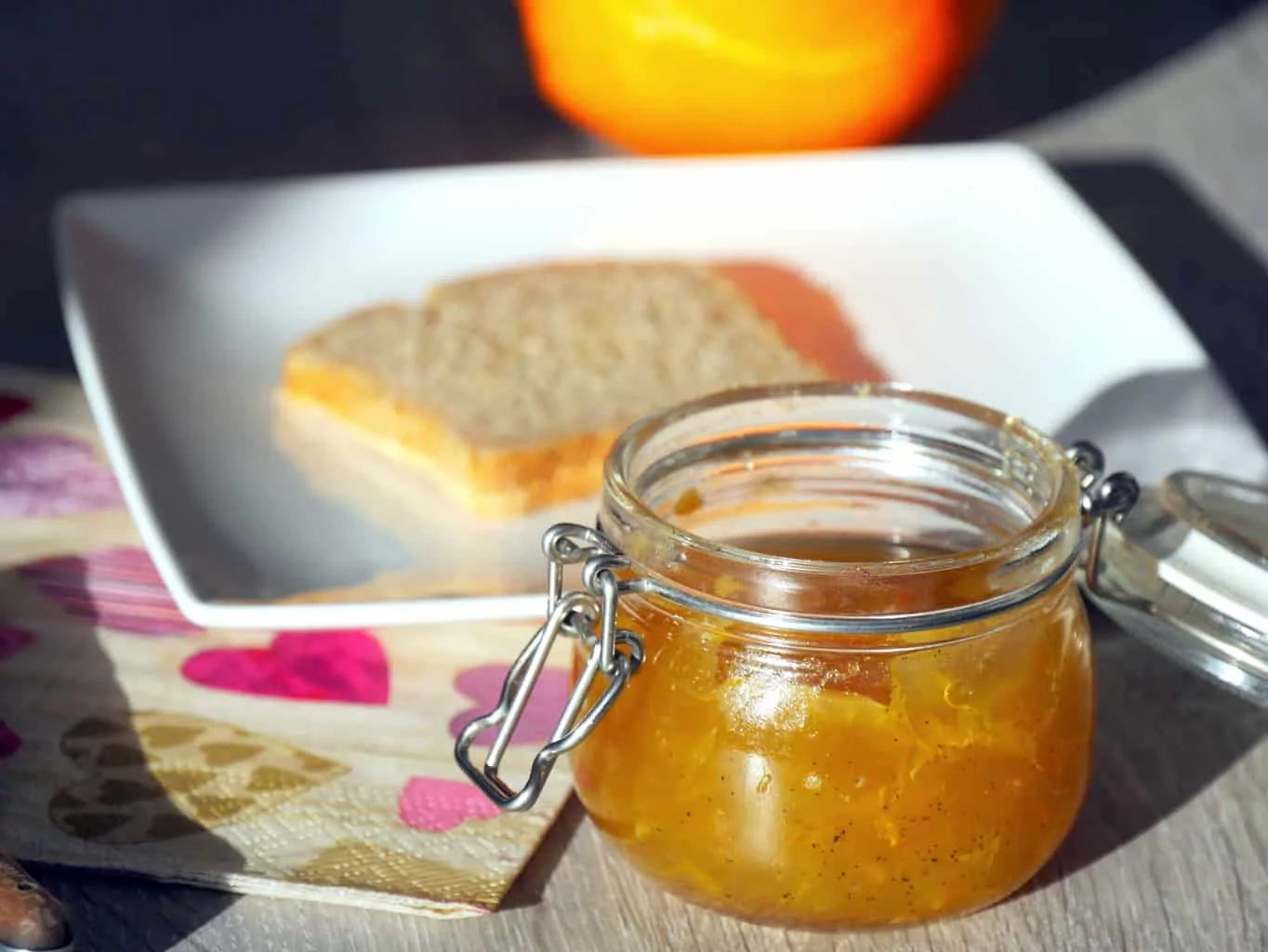
Today I’d like to share with you a recipe for citrus citre jam, passed down to us by our grandmother.
The citre, also known as gigérine, méreville, or “jam watermelon,” is a very old fruit that has gradually fallen into obscurity. Introduced from Spain in the early 16th century, it was well-known and commonly used in the southern regions of France.
The citre is not edible raw, but it becomes tender and flavorful once cooked. It is therefore the ideal fruit for making delicious jams.
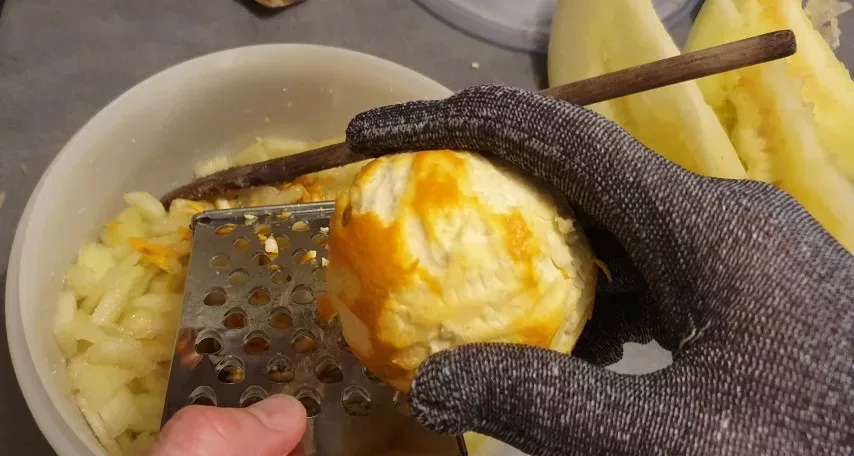
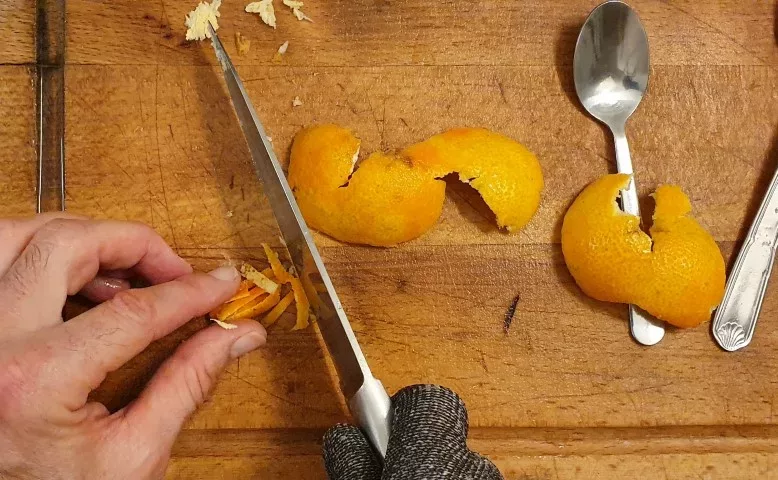
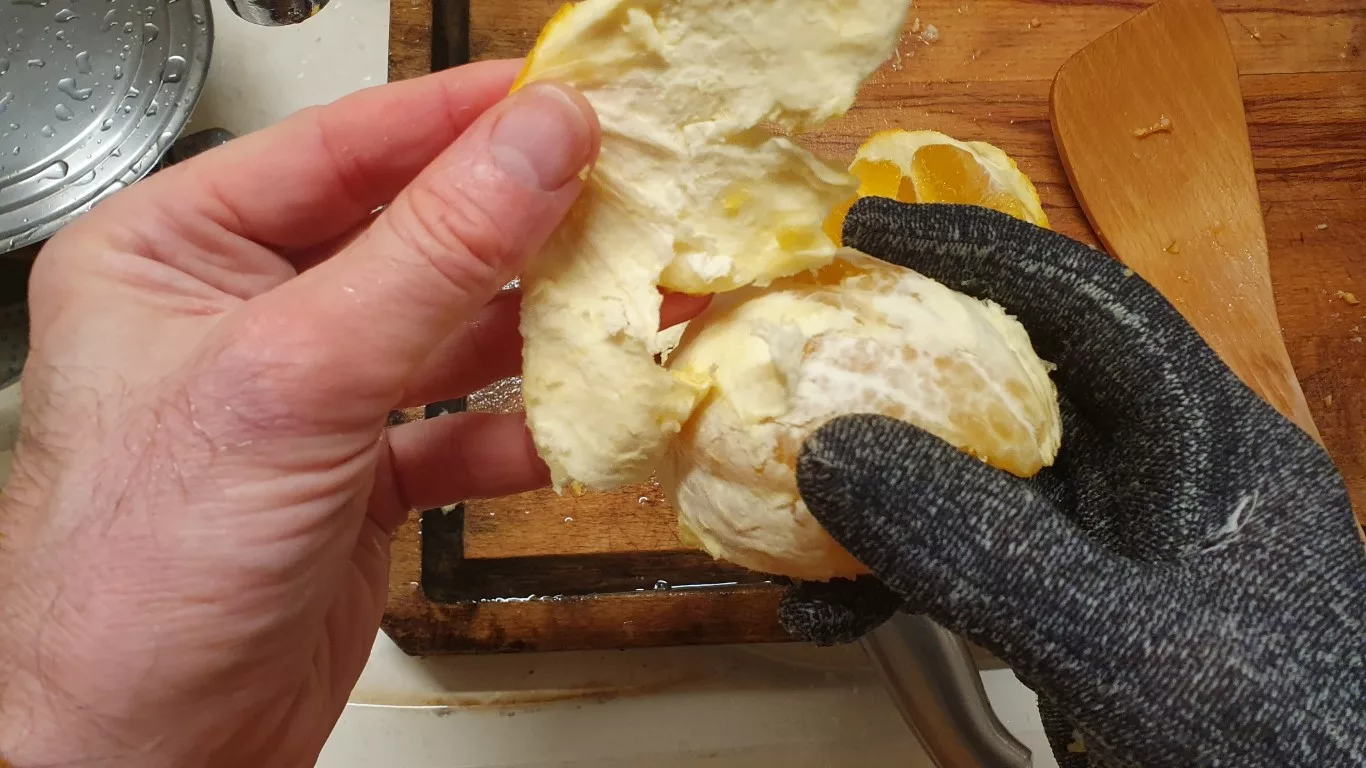
In this recipe, the citre is enhanced with the zest and pulp of oranges, lemons, and mandarins, as well as vanilla and star anise.
You’ll still need to allow several days to make this citrus citre jam. But in the end, you’ll have a real little gem in a jar, much to the delight of your family and friends!
There are only two precautions to take when making this jam:
1) Don’t cut yourself while slicing the watermelon; take your time and always use a stable surface,
2) Be very careful not to let the cooking temperature get too high, and watch and stir the jam regularly, especially after the second boil. This is because the jam will have released some of its water, and there’s a risk that the fruit will stick to the bottom of the pot and the sugar will caramelize. If that happens, you’ll have to throw the jam away!


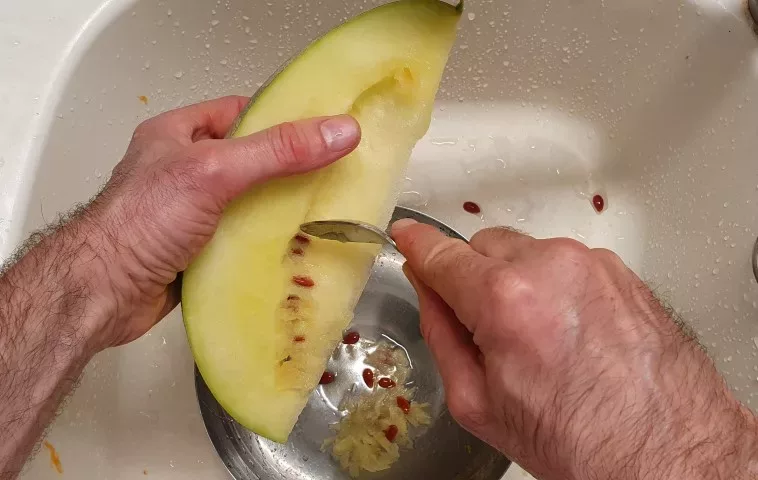
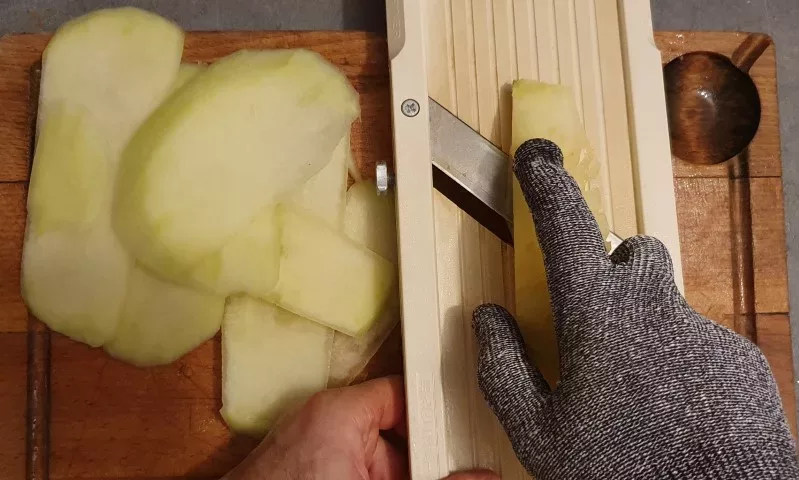
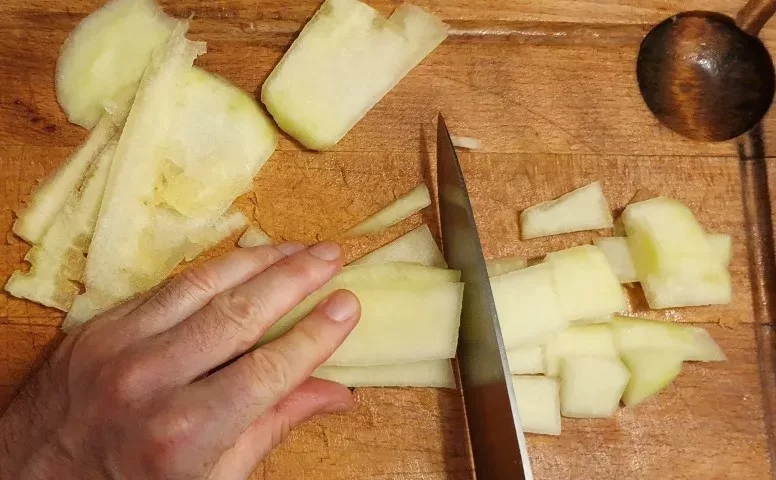
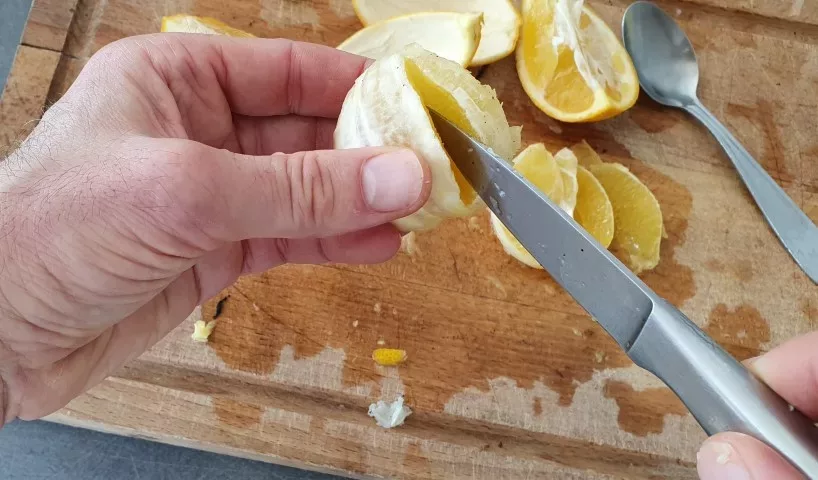
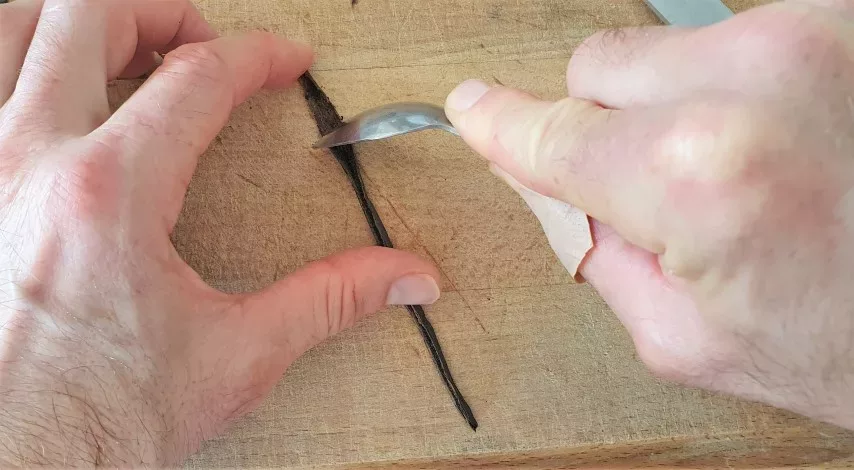
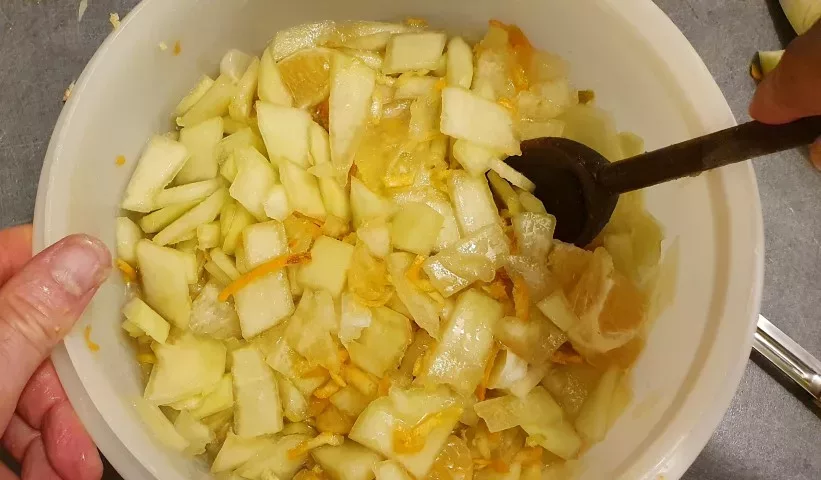
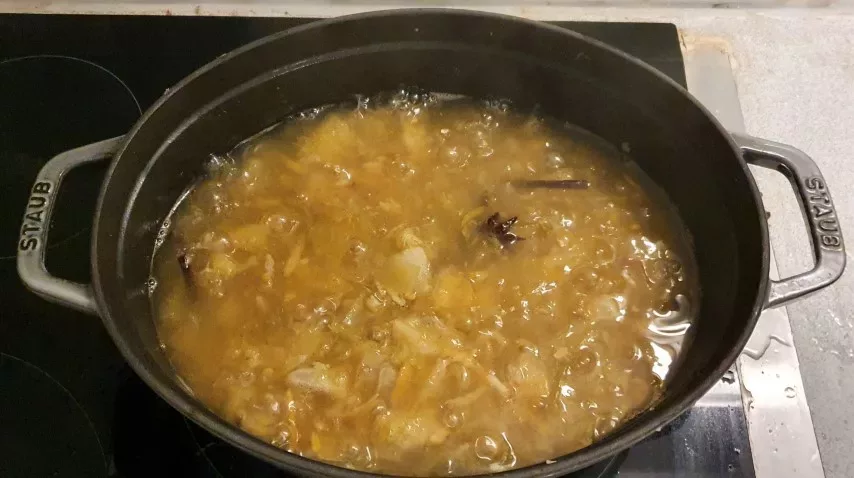
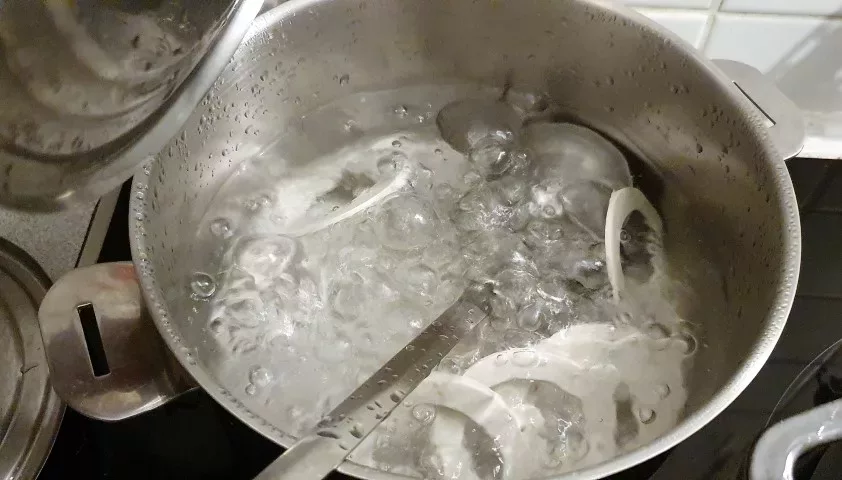
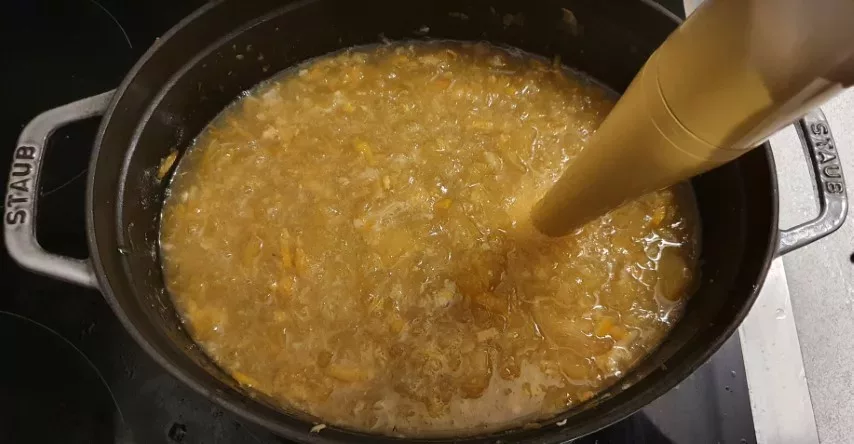
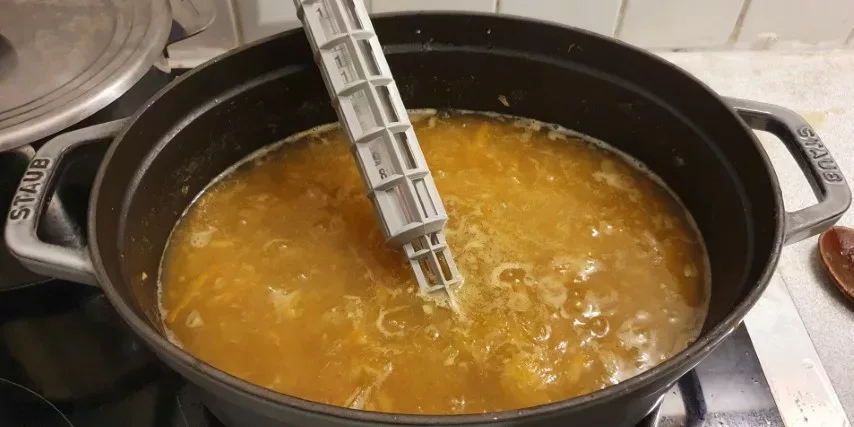
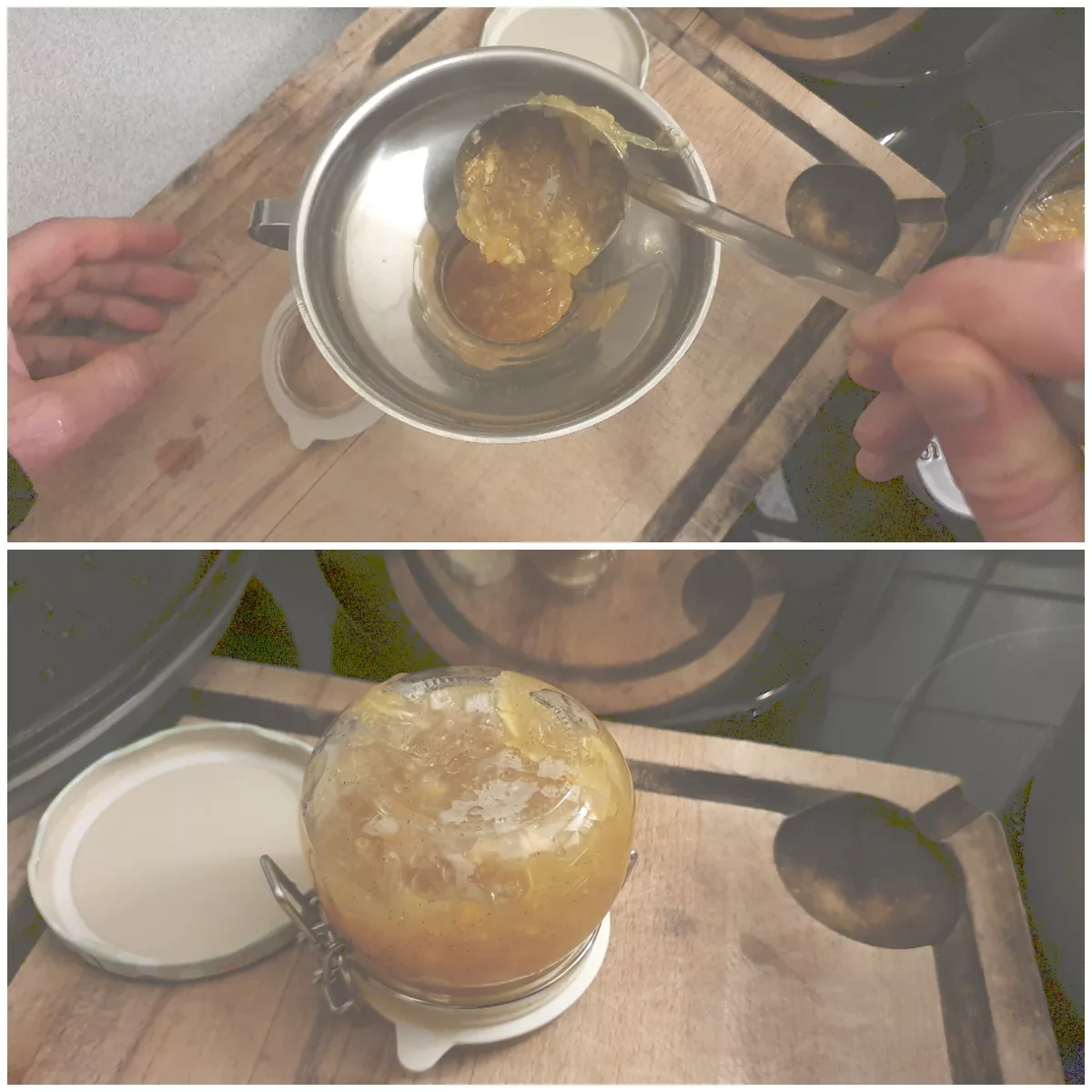
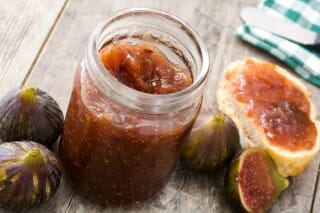









I just finished making it—it’s a really good jam, but it takes a long time and is quite a bit of work, especially on day 1 if you want to do it right, considering that a lemon can easily weigh around 10 kg.
Since I don’t have a jam pot, I used my stainless steel pressure cooker (26 cm diameter). When it was almost full, it took nearly an hour over medium-high heat before it started to boil; then I cooked it for an hour each time (the recipe says 30 minutes), for a total of nearly 6 hours of cooking.
On the fourth day of cooking, the jam is still very runny at the start of the cooking process; you need to keep cooking it over medium heat.
I noticed that when the final cooking stage is almost finished—while the fruit floats at the top at first—it tends to sink to the bottom of the pot once the jam is ready (to be confirmed). In any case, that’s what I just experienced; I noticed it when I was filling my jars. And that’s when there’s a risk of burning the jam.
In the end, the ~2 hours of cooking time (1 + 0.5 + 0.45) in the recipe seems modest to me compared to what’s actually needed.
I wanted to recreate the jam my mother used to make for me when I was little; the result is nice, even if for me the citrus flavor is too strong (perhaps because of the fruit I bought at Biocoop, which I found intense and a bit bitter), and yet I only used 4 oranges and 4 lemons for 5 kg of fruit pulp.
Next time I’ll try to buy sweeter fruit, use less of it, and add a little more sugar (this time I used 2 kg for 5 kg of fruit pulp).
In the REBOUL, it mentions 3/4 cup of sugar per kg of fruit and the zest of one lemon, but not the pulp.
Anyway, thanks for the recipe.
Wow, thanks, Olivier, for this thorough and detailed review! Cooking times can indeed vary greatly depending on the amount of flesh you’re cooking. The times listed are for a much smaller amount compared to your huge pumpkin 😅
Personally, I prefer not to add too much sugar, and I like the bitterness of the citrus, which is still tempered by the vanilla. But really, it’s a matter of taste!
Thanks for the Reboul recommendation—I wasn’t familiar with that book, but I’ll look into it, since it seems connected to my home region 😋
J. – REBOUL
*La cuisinière provençale* (The Provençal Cookbook), 27th edition
Published by P. Tacussel
Marseille
It’s a classic of Provençal cuisine. It’s a bit of an unusual read, but it covers the fundamentals that have made this cuisine famous.
Jean-Claude on November 15.
Hi, "Ratatouille." I forgot to thank you—the jam turned out great after all. Since it was such a breeze, I'm making another batch. Bye
Oh, great! I'm glad you liked the jam, and I'm sure the next batch will be even better 😋
I can't seem to get my "cider" jam to thicken up; it's still runny after almost 3 hours (spread out over 3 sessions). Can anyone give me some advice? I'm afraid I'm going to ruin it. Thanks
Hi Jean-Claude, don’t worry—your jam will eventually lose its cooking liquid and become thicker. The only risk is that it might burn if the heat is too high, or that you might overcook it. Keep in mind that once the jam has cooled, it will have a thicker consistency than when it’s boiling.
As I mention in the recipe, the most reliable test is still the cold plate.
Good luck with the preparation, and let us know how your jam turns out!
Excellent and very detailed
Hello!
Great recipe!
A bit too much orange zest for my taste—it overpowers everything. But even so, I love the flavor.
As for the cooking time… It must have cooked for at least 6 hours, at least… I stopped counting at some point 😅
I didn’t follow the recipe’s cutting instructions, so the pieces were chunky, which might explain the very long cooking time. And I used very low heat, too. The one time I didn’t stir for 10 minutes, it immediately started to stick. It was just a light bit, so it didn’t affect the taste, which is a good thing.
A lot of work, but it’s worth it!
I adapted the recipe to what I had on hand (no oranges, vanilla bean replaced with vanilla sugar), reduced the fruit-and-sugar resting time to 4 hours, and cooked it in the Magimix; without the lid, on the expert program, speed 1A, temperature 105 degrees. For the cooking times, I started with one hour and then reduced it to 30 minutes, with breaks of one night or half a day between each cooking session. It takes a long time, but the result is worth it! Thanks for the tips!!!!
And thanks for the watermelon!!!
Thanks for this great recipe. It takes a while, but it's worth it.
Perfect, and even the past perfect. Thank you.
Hello,
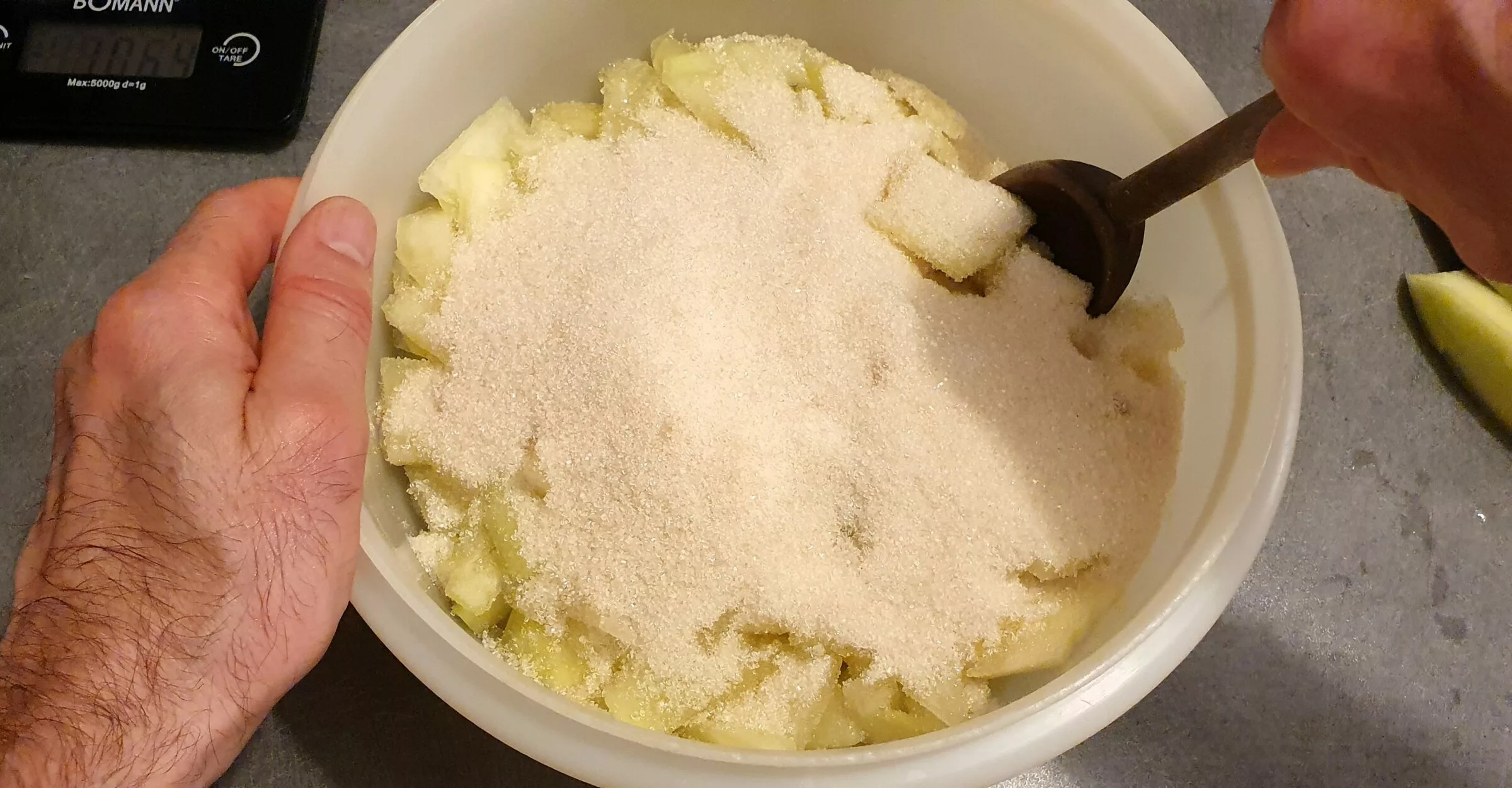
You don't specify when to add the sugar… On the first day, or only when you first bake it?
Thank you!
Hi Mamoune, actually, it was mentioned in Step 3, but it was a bit hard to spot. So I've added a note and a photo to make sure no one misses it!
Thanks for pointing that out, and good luck with your preparations if you decide to give it a try!
Hello;
When using a jam thermometer, what temperature should I cook the jam to?;
Thank you
Hello, thank you for your question—I hadn't actually mentioned that. It's now clarified right in the recipe. Enjoy making it, and let me know how it turns out!
Thank you very much for your reply
I just added a combawa
Isn't there a mistake here?
Hello,
On Day 1, step 8, when you mentioned putting the pieces in a bowl, do you blend the contents of the pot?
I assume you only do this step before putting it in jars…
Another quick note: it’s a shame to blend it, because in Provence this jam is called “the poor man’s candied fruit”—we enjoy it with the pieces in it, or we use the candied Mereville cubes to make cakes.
Thanks anyway for your post, have a great day
Hello, and thank you so much for your excellent feedback! You’re right—step 8 wasn’t in the right place, so I’ve moved it to the end of the recipe.
I’ve also added your note about “poor man’s candied fruit” to the corresponding instruction—I didn’t know that, even though I’m from Provence 🙂 I agree with you; there’s no need to blend it too much, or even at all, but I still want to give readers the option to adapt the recipe to their tastes.
Hi, are the pieces of jellied fruit in the jam all transparent by the time it's done cooking, or do some parts remain whiter?
Hi NJ, on my end, the pieces of gigérine turned completely transparent while cooking… How long did you cook yours for?
I'm lucky enough to get to taste your delicious jam. Thanks, Ratatouille.
Now I'm going to get started on the watermelon you gave me for jam.