




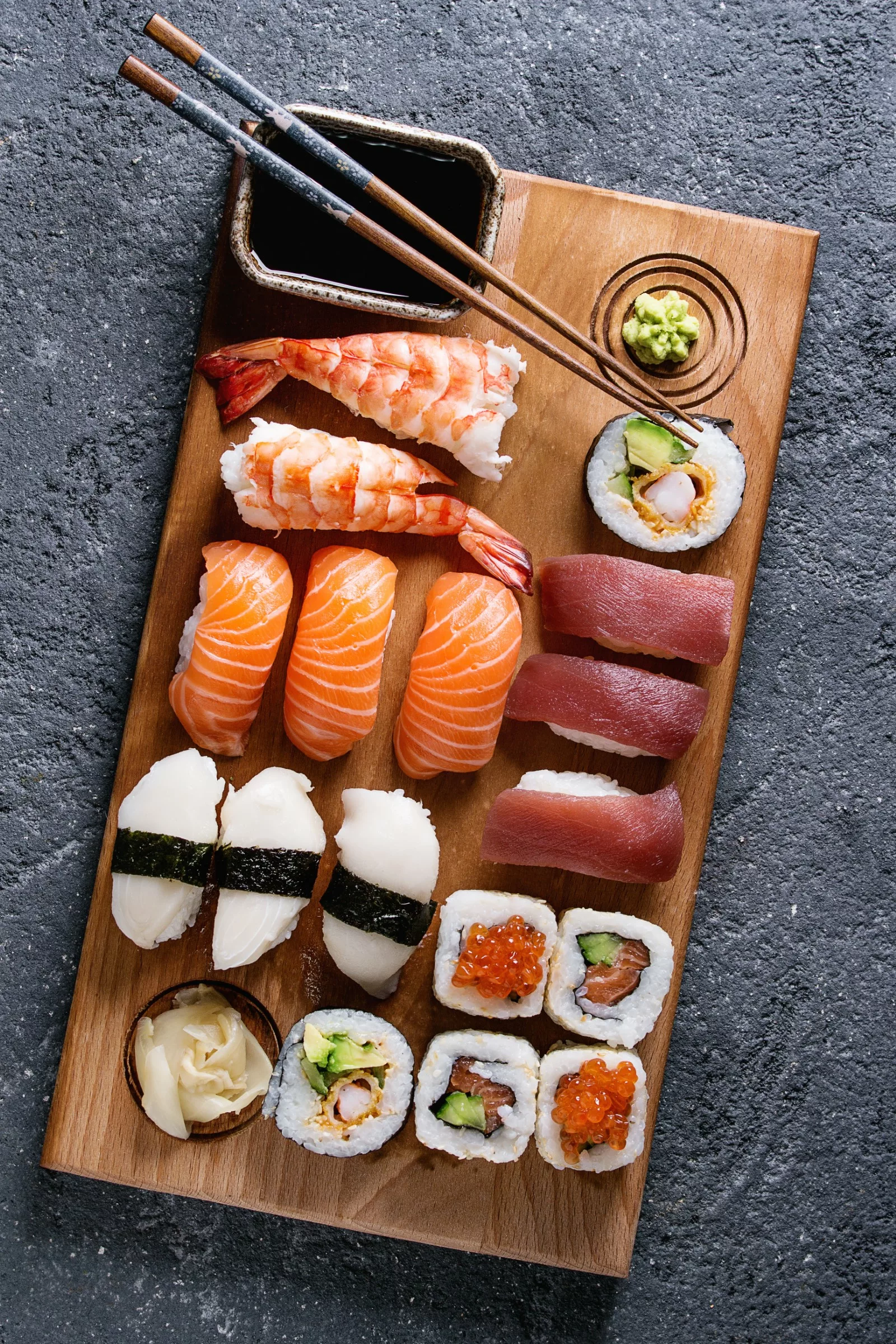
Here’s my recipe for homemade sushi, which I discovered during a cook-and-dine class! I was able to learn how to make these little gems myself and share them with family and friends.
As you’ll see, there’s quite a bit of prep work involved before assembling the sushi. Cooking the rice, preparing the fillings… It’s pretty tedious if you’re on your own—I totally agree 😅
But sushi can be a fun way to cook together, whether with family or friends. All you need to do is lay out the basic ingredients around the table. Then everyone can let their creativity run wild and make their own creations!
Sushi Rice
To make successful homemade sushi, the choice of rice is essential.
Opt for a special Japanese short-grain sushi rice that’s rich in starch: it’s this natural starch content that allows it to become slightly sticky after cooking, an essential condition for shaping nigiri and maki without them falling apart. Varieties such as Koshihikari, Calrose, or Nishiki yield excellent results, with shiny, plump, and well-bound grains.
Conversely, long-grain rices like basmati lack stickiness and are not suitable for this preparation.
The Different Types of Sushi
In this recipe, we’ll cover four different types of sushi. Below is a general description so you can navigate the various names and techniques discussed later in the recipe!
🍣 Nigiri sushi (握り寿司)
✔ What is it?
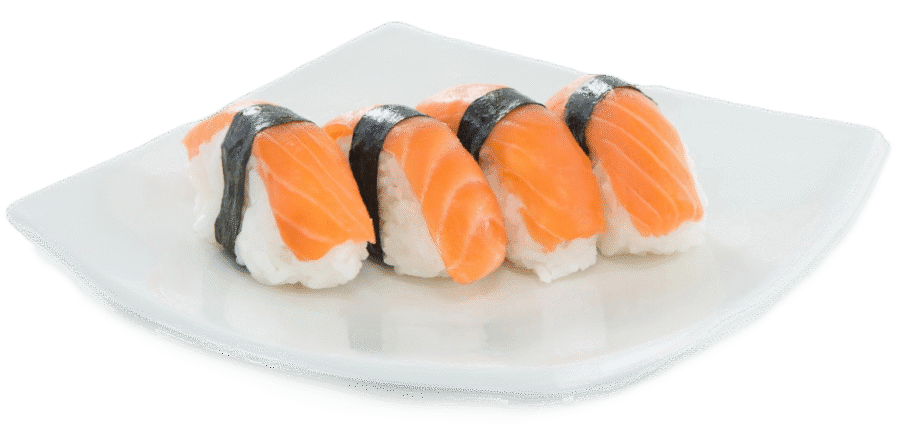
Nigiri is one of the oldest and most iconic forms of sushi. It consists of:
- a small ball of vinegared rice, pressed by hand (hence nigiri = “to grasp/press with the fingers”)
- topped with a slice of raw or cooked fish (salmon, tuna, shrimp, eel, cuttlefish, etc.)
Sometimes, a thin strip of nori (seaweed) holds the topping in place.
📍 Origin
Traditional Japan, Edo (present-day Tokyo), in the early 19th century. It was a quick and popular street “fast food.”
🍳 Tamago sushi (卵寿司 or 玉子寿司)
✔ What is it?
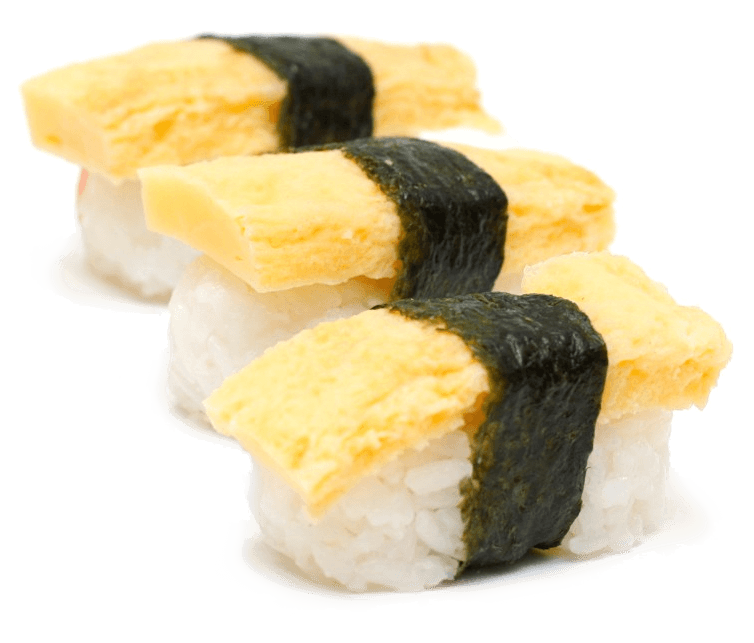
Tamago sushi is a unique type of nigiri where the topping is a sweet Japanese omelet (tamago-yaki), often held in place by a strip of seaweed. The omelet is slightly sweet and cooked in layers in a small rectangular pan.
📍 Origin
Traditional Japan, as part of the “classic” nigiri. Very popular in Edo-era restaurants, particularly as an “introductory” sushi or for children.
🍙 Maki (巻き寿司)
✔ What is it?
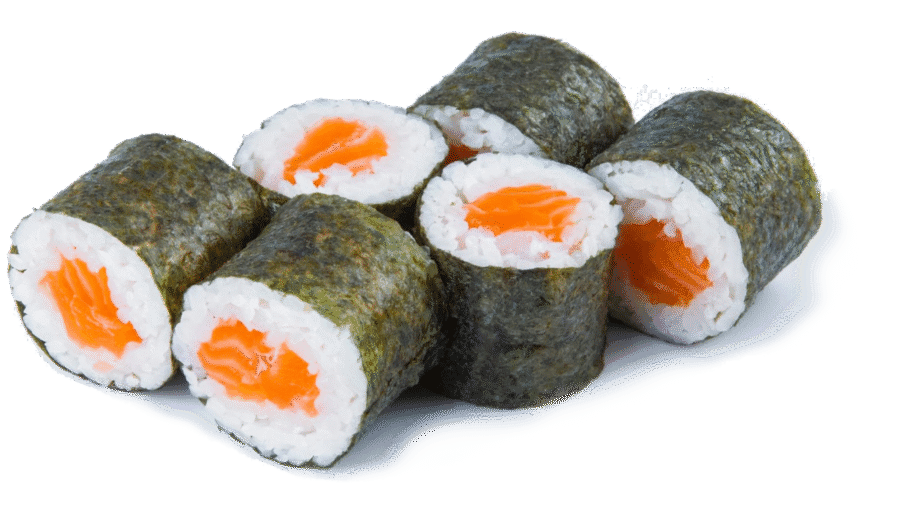
Maki sushi is a roll consisting of:
- a sheet of nori
- vinegared rice
- one or more fillings (tuna, cucumber, avocado, salmon, daikon radish, etc.)
The whole thing is rolled using a bamboo mat (makisu), then cut into small slices. There are several subtypes: hosomaki (thin), futomaki (thick), uramaki (rice on the outside), etc.
📍 Origin
Traditional Japan, also during the Edo period. Commonly found in bento boxes and popular street stalls.
🥑 California Rolls (カリフォルニアロール)
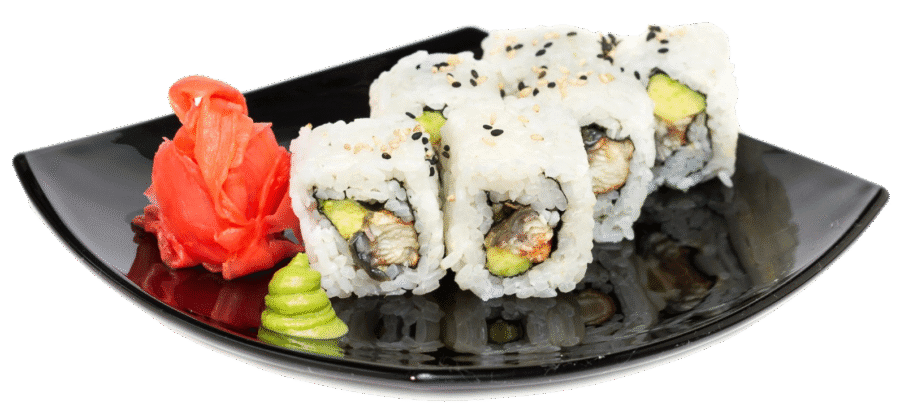
✔ What is it?
California rolls are a type of uramaki, meaning a reverse maki where:
- the rice is on the outside
- the nori sheet is on the inside, wrapped around the filling
- typical fillings: avocado, surimi (or crab meat), cucumber
- often coated with sesame seeds or fish roe
📍 Origin
A Western creation from the 1960s–70s. Generally attributed to a Japanese chef based in Los Angeles who sought to adapt sushi to American tastes.
👌 Give it a try!
There you go—now that you know all about sushi, all that’s left is to give it a try!
I hope this recipe will convince you that it’s not that complicated, and that you’ll enjoy preparing these little bites that have taken the world by storm, whether you’re cooking alone or with friends🍣
Have fun, and thank you in advance for your comments 🙏





Leave a comment on this post