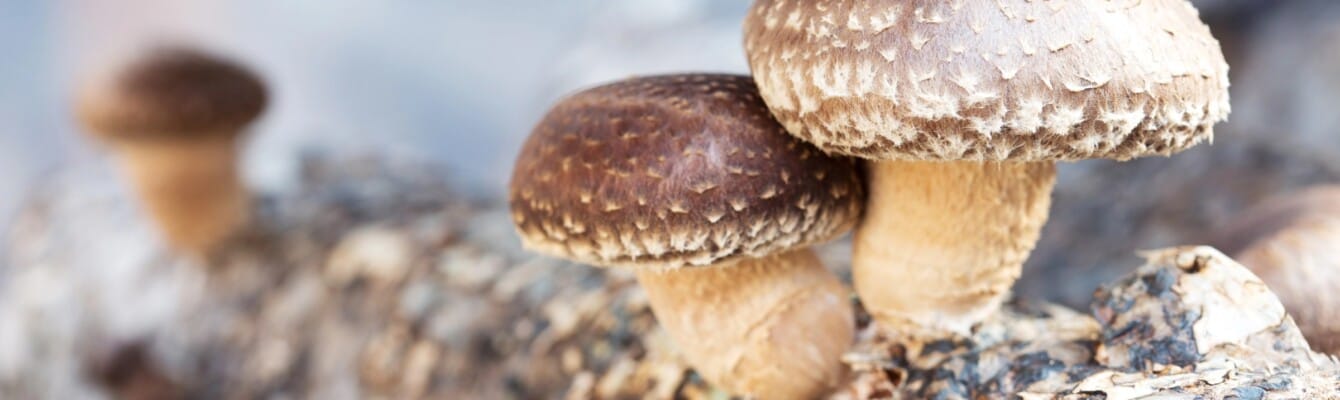





The shiitake mushroom, scientifically known as Lentinula edodes, is a mushroom native to East Asia. It grows naturally on decaying tree trunks in the forests of China, Japan, and Korea. Its name "shiitake" comes from Japanese, where "shii" refers to a type of tree, the oak, and "take" means mushroom. This mushroom has been cultivated and consumed for thousands of years in Asia, and is now appreciated worldwide for its culinary and medicinal qualities.
⚖️Nutritional Properties of Shiitake
Shiitake is not only tasty but also rich in nutrients. It is an excellent source of fiber, vitamins (particularly B2, B5, and D), and minerals such as copper and selenium. Additionally, it contains polysaccharides, such as lentinan, known for their immune-boosting and anti-cancer properties. This mushroom is also low in calories and fat, making it a top choice for a balanced diet.
🍂🌱Harvest Season
Traditionally, shiitake mushrooms are harvested in the spring and fall, when weather conditions are optimal with high humidity and moderate temperatures. In cultivation, these conditions can be artificially recreated, allowing for continuous production throughout the year.
However, seasonal shiitake mushrooms are often more flavorful and aromatic.
🍽️Culinary Uses
Shiitake mushrooms are extremely versatile in the kitchen. Their intense umami flavor and meaty texture make them a staple ingredient in many dishes. Here are some typical uses:
- Stir-fries: Added to vegetables or meats, they add depth of flavor.
- Soups and Broths: They enhance soups with their rich flavor.
- Stews: Perfect in slow-cooked dishes for a robust touch.
- Grilled or roasted: On skewers or as a garnish for dishes.
- Pies and quiches: For a gourmet and refined touch.
It can be used fresh or dried. Dried shiitakes have an even more concentrated flavor and need to be rehydrated before use.
⚠️Flagellate Dermatitis: A Risk to Be Aware Of
Shiitake mushrooms are generally safe to eat, but there is a risk associated with improper preparation: flagellate dermatitis. This skin reaction is caused by lentinan, a substance found in raw or undercooked mushrooms.
It manifests as red, streaky lesions on the skin, accompanied by severe itching. To avoid this reaction, it is crucial to cook shiitake mushrooms thoroughly, as heat destroys the lentinan responsible for this allergy (see cooking tips below).
🔥Cooking Precautions
To ensure safety and fully enjoy the benefits of shiitake mushrooms, here are some cooking tips:
- Cook thoroughly: Always cook shiitake mushrooms thoroughly. Sauté, grill, or simmer them for at least 15 minutes.
- Avoid raw dishes: Never use raw shiitake mushrooms in salads or other uncooked preparations.
- Rehydrate dried mushrooms properly: If using dried shiitakes, be sure to rehydrate them thoroughly before cooking.
👌Give it a try!
The shiitake is a versatile mushroom, rich in history, flavor, and health benefits. However, thorough cooking is essential to avoid any unpleasantness and to enjoy its benefits.
Whether as a side dish or a main course, shiitake mushrooms add a meaty texture and a fragrant flavor. They are therefore particularly well-suited for your vegetarian dishes, giving them extra body and flavor.
So give shiitake mushrooms a try if you haven’t already. You’ll undoubtedly make them a staple in your everyday cooking.😋
Pour aller plus loin, venez découvrir de délicieuses recettes concoctées par les gourmets du site, et qui mettent le champignon shiitake à l’honneur !











Follow us on social media