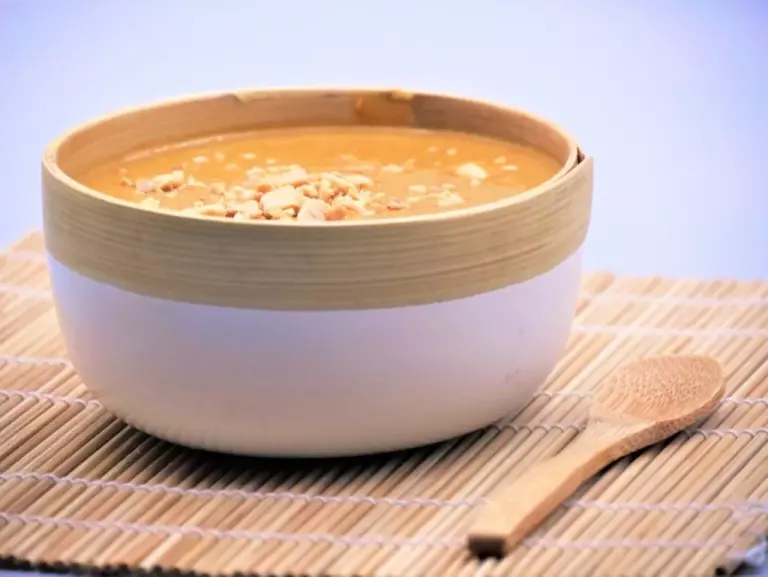
Satay sauce is a condiment originating in Southeast Asia, made with local spices and seasonings, as well as roasted peanuts. It gets its name from the popular skewered meat dish in that region, which ...
End of content
End of content

Here you'll find all the recipes inspired by Asian cuisine, lovingly created for you by the site's foodies!
Calling "Asian cuisine" a single category is a bit like calling the Pacific Ocean a "pond"—it’s a massive understatement. We’re talking about a culinary landscape that spans over half the world’s population, ranging from the delicate, seasonal precision of Japan to the fiery, spice-heavy kitchens of India.
While it’s impossible to pin down one flavor, the common thread is an obsession with balance. It’s the art of hitting all the notes—sweet, salty, sour, bitter, and the savory "fifth taste" known as umami—often in a single bite.
To make sense of such a huge continent, it’s easiest to look at it through three major regional lenses:
East Asia (China, Japan, Korea): This region is the powerhouse of fermentation (think soy sauce, miso, and kimchi). The cooking focuses on high-heat stir-frying, steaming, and a deep reverence for rice and wheat noodles.
Southeast Asia (Thailand, Vietnam, Indonesia): This is the land of "fresh and funky." It relies heavily on aromatic herbs (cilantro, Thai basil), citrus (lime, lemongrass), coconut milk, and the essential salty punch of fish sauce.
South Asia (India, Pakistan, Sri Lanka): Here, the "dry" spice is king. Complex blends of turmeric, cumin, and cardamom create deep, slow-cooked curries, balanced by cooling yogurts and an incredible variety of flatbreads like naan and paratha.
While every country has its own secrets, these staples are the "MVP" ingredients found in most American-Asian pantries:
Rice: It’s more than a side dish; it’s the foundation. Whether it’s fluffy Basmati, sticky Jasmine, or short-grain sushi rice, it defines the meal.
The Aromatics (Ginger & Garlic): The universal starting point for almost every sauté or soup base.
Soy Sauce: The "salt" of the East, providing that deep, savory umami depth.
Chilies: Used differently everywhere—from the subtle warmth of Japanese togarashi to the "face-melting" heat of a Thai bird's eye chili.
The Funk: Ingredients like shrimp paste or fermented bean pastes that might smell intense on their own but add an incredible "secret" layer of flavor to the finished dish.
Asian cooking is just as much about how you cook as what you cook.
In Chinese cooking, "Wok Hei" (the breath of the wok) refers to that distinct smoky charred flavor you get only from cooking over an incredibly high flame. It’s a skill that takes years to master.
From the spicy crunch of Korean Kimchi to the salty depth of Japanese Miso, fermentation is used not just for preservation, but to create complex flavors that "fresh" ingredients simply can't match.
In Asia, some of the best food isn't found in five-star restaurants, but on a plastic stool at 2:00 AM. Whether it’s Hainan Chicken Rice in Singapore, Banh Mi in Hanoi, or Takoyaki in Osaka, street food is the heartbeat of the culinary scene.
A Quick Reality Check: For a long time, "Asian food" in the U.S. was synonymous with sugary orange chicken or generic "curry powder." Thankfully, we’ve moved past that. We’re finally embracing the regional specifics—learning that "Chinese food" means something totally different in Sichuan than it does in Canton.
Satay sauce is a condiment originating in Southeast Asia, made with local spices and seasonings, as well as roasted peanuts. It gets its name from the popular skewered meat dish in that region, which ...
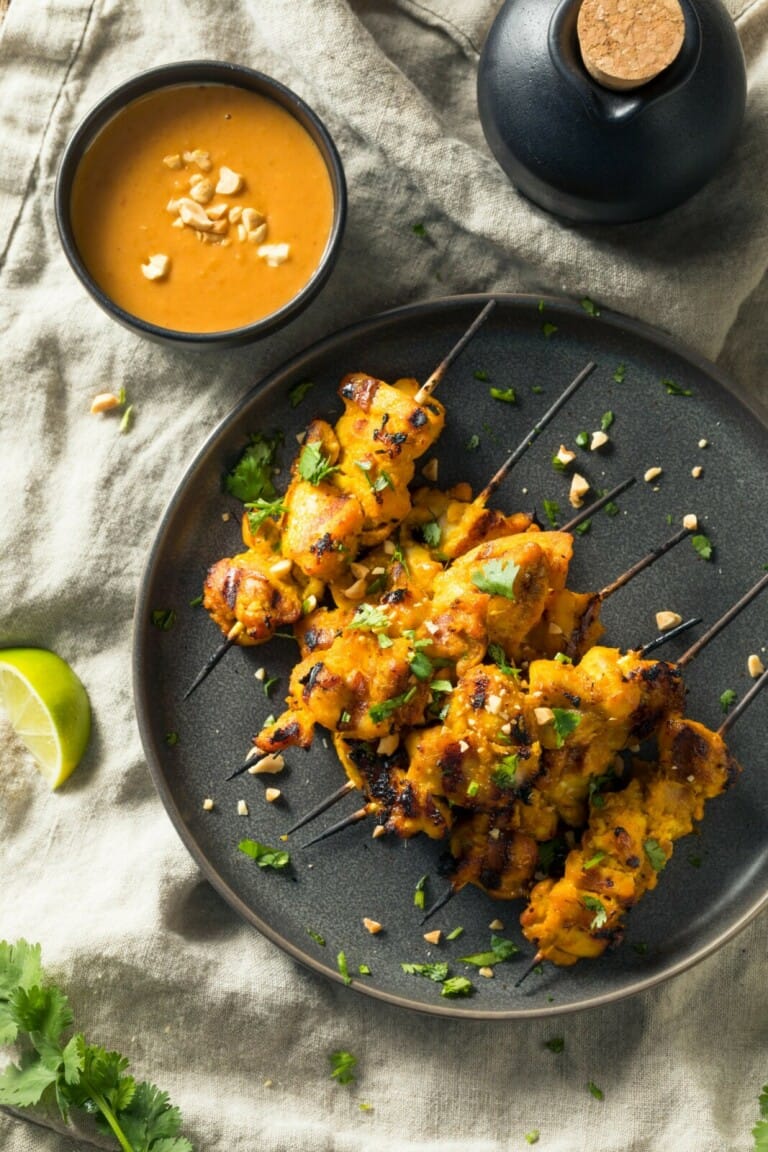
This recipe for chicken skewers with satay sauce is very popular in Indonesian and Thai cuisine. These irresistible skewers are perfect for an Asian-inspired or contemporary dinner. They’ll also add ...
End of content
End of content

Follow us on social media