


Joyeux Gourmet

Cooking, Recipes and Good Vibes

April Spring
Recettes et plus...
Site Logo
  • Mon Joyeux Gourmet
    Pas encore
    membre ?
    Connexion
    Inscription
  • Recipes
    • Publish my recipe
    • The Cook's Calendar
    • From appetizers to dessert
    • For any occasion
    • Seasonal cuisine
    • Regional Cuisine of France
    • World Cuisines
    • Diets and Nutrition
    • Difficulty level
  • Cookbooks
    • Publish my book critic
    • All books
  • Articles
    • Publish my Post
    • News, Tips, and Tutorials
    • Seasonal ingredients
    • Practical Guides
      • Cooking Temperatures
      • Kitchen Tools and Appliances
      • Cooking Glossary
      • Ingredient Guide
  • Practical Guides
    • Cooking Times
    • Cooking Temperatures
    • Kitchen Tools and Appliances
    • Cooking Glossary
    • Ingredient Guide
  • Welcome
  • Coupons and promotions
  • Login
    • Pas encore membre ? Mot de passe oublié ?
April Spring
  • Skip to primary navigation
  • Skip to main content
  • Skip to primary sidebar
  • Skip to footer
Home » Qu’est ce que la Brunoise en cuisine ?

What is the "Brunoise" cutting technique in cooking?

Updated on 20 November 2024 by
Picture of joyeuxgourmetjoyeuxgourmet
Do you like this post ? Share it !
  • Share on Facebook
  • Share...
  • Pin It
  • Share by email

I like
Print
What is the "Brunoise" cutting technique in cooking?

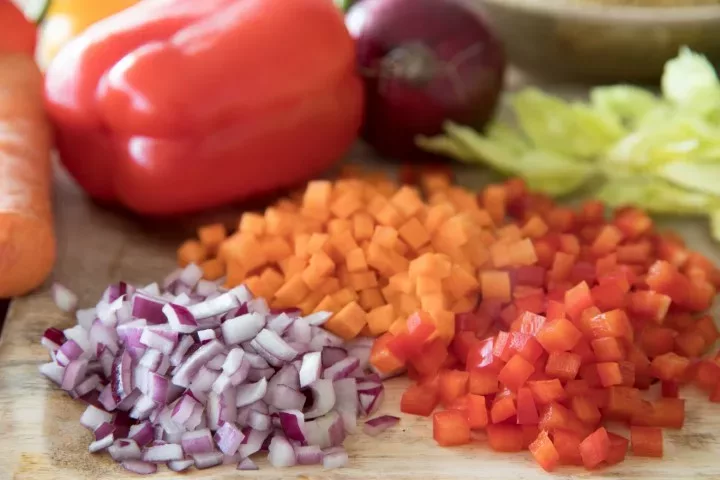
Brunoise is a cutting technique used in cooking to prepare vegetables or fruits into small, uniform cubes. This technique requires patience and precision, but it yields visually appealing results and well-balanced flavors in dishes. In this article, we’ll explore in detail what brunoise is, how to do it, and how it can add a touch of finesse to your recipes.

Table des matières

Toggle
  • What is brunoise?
  • How do you make a brunoise?
  • Uses of the brunoise

What is brunoise?

Brunoise is a very fine dice, characterized by cubes measuring 2 to 3 mm on each side. To achieve these small, uniform cubes, it is essential to use fresh, firm vegetables or fruits. The most commonly used ingredients for brunoise are carrots, onions, bell peppers, zucchini, apples, pears, etc. This technique preserves the shape and texture of the ingredients while making them easier to cook.

How do you make a brunoise?

Making a brunoise requires meticulousness and precision. Here are the steps to follow to dice your vegetables or fruits into a brunoise:

  • Start by carefully peeling the vegetables or fruits and removing the ends.
  • Cut them into thin slices and stack the slices on top of each other.
  • Next, cut them into even sticks lengthwise.
  • Align the strips and then cut them into cubes measuring 2 to 3 mm on each side.

It is important to maintain a uniform size to achieve a perfect brunoise. Practice and the use of a sharp knife are essential to mastering this technique.

Uses of the brunoise

Brunoise is often used to garnish or accompany dishes. The small cubes of vegetables or fruit offer a pleasant texture in the mouth and add a touch of freshness to any recipe.

Here are a few examples of how to use brunoise:

Salads: Add brunoise of cucumber, tomato, and bell pepper to your salads for an explosion of flavors and colors.

Soups and Cream Soups: Sprinkle a brunoise of cooked vegetables on top of your soups or cream soups to add a touch of freshness and crunch.

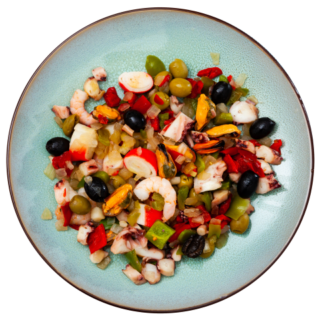
Main Dishes: Use brunoise to prepare a vegetable garnish to accompany your meat, fish, or poultry. Brunoise also works very well in a salpicon.

Salsa or condiments: Finely diced fruits such as mango, pineapple, or peach can be turned into a delicious salsa or a sweet-spicy condiment to accompany your dishes.   Whether for salads, soups, main courses, or condiments, the brunoise offers a visually appealing presentation and an explosion of flavors on the palate. So, don’t hesitate to practice and use this technique to impress your guests during your next culinary adventure!
Reader Interactions

Leave a Reply Cancel reply

Your email address will not be published. Required fields are marked *

Primary Sidebar

A few seasonal items…

It’s peak harvest or production season for these ingredients… so take this opportunity to discover all the recipes that showcase them!

  • Image de cabbage
    cabbage
  • Image de Williams pear
    Williams pear
  • Image de spinach
    spinach
  • Image de lemon
    lemon
  • Image de button mushrooms
    button mushrooms
  • Image de mushrooms
    mushrooms

All seasonal ingredients

You might also be interested in these articles...

  • What is salpicon in cooking?

    What is salpicon in cooking?

  • What is lacquer finishing in the kitchen?

    What is lacquer finishing in the kitchen?

  • How do you chop your ingredients in the kitchen?

    How do you chop your ingredients in the kitchen?

  • Everything You Need to Know About Roux in Cooking

    Everything You Need to Know About Roux in Cooking

More ideas

Footer

Useful Links

  • Contact us
  • Legal Notice
  • Privacy Policy
  • Partners

Install the JGourmet app

QR code d'installation de l'appli Joyeux Gourmet sur Android Google Play

Follow us on social media

  • Suivez Joyeux Gourmet sur Facebook
  • Suivez Joyeux Gourmet sur Pinterest
  • Suivez Joyeux Gourmet sur Instagram
  • Suivez Joyeux Gourmet sur YouTube

All rights reserved©  2015–2026 · Joyeux Gourmet · Log in

Before submitting your article for publication, please make sure it complies with the règles de modération des publications.
Articles that do not meet the requirements will not be published.

Votre carnet de recettes vous attend

Votre carnet de recettes vous attend !

❤️
Sauvegardez vos coups de cœur
🛒
Liste de courses automatique
🔔
Nouvelles recettes en exclusivité
G
N
L
+
gigi, nonocuisine et plus de 0 autres ont déjà rejoint Joyeux Gourmet !
Créer mon compte gratuit Inscription en 1 minute
Déjà membre ?
Se connecter
Je veux en savoir plus sur Joyeux Gourmet