




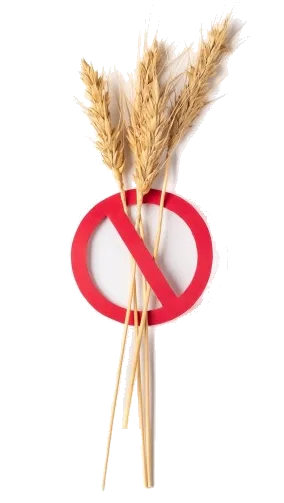
Gluten-free cooking has recently emerged as an essential dietary option. It meets the specific needs of those who suffer from gluten intolerance or who have consciously chosen to eliminate this protein from their diet.
This article explores the benefits of gluten-free cooking, the nature of gluten, foods to avoid, and substitution techniques and ingredients.
Finally, a few gluten-free recipe ideas will be suggested to illustrate these concepts.
The Benefits of Gluten-Free Cooking
Gluten-free cooking goes beyond a mere dietary trend, offering significant benefits for those with gluten sensitivities or intolerances.
By eliminating this protein found in wheat, barley, and rye, one can reduce inflammation, improve digestion, and promote better nutrient absorption.
In fact, some experts suggest that excessive gluten consumption, even in people without celiac disease, could contribute to health issues such as digestive disorders, inflammation, and even neurological disorders. However, the scientific evidence on this topic remains largely controversial, and further research is needed to establish clear links between gluten consumption and these health issues.
That said, gluten-free cooking can definitely help alleviate symptoms associated with celiac disease, an autoimmune condition triggered by gluten consumption.
For those affected by this condition, choosing a gluten-free diet is a medical necessity. Celiac disease is a condition that affects the digestive system.
Finally, some people view gluten-free or low-gluten cooking as a preventive measure aimed at optimizing their overall well-being.
Whatever the motivation, gluten-free cooking offers a culinary diversity that goes far beyond the stereotypes associated with restrictive diets.
What is Gluten?
Gluten is a protein naturally found in wheat, barley, and rye. It is this elastic substance that gives baked goods their soft and chewy texture. However, for some people, consuming gluten can trigger unwanted immune reactions, leading to health issues such as gastrointestinal disorders, headaches, and persistent fatigue.
Foods to Avoid
1. Wheat, Barley, and Rye
Staple foods such as bread, pasta, cereal, cakes, and cookies are typically made from wheat, barley, or rye and must be eliminated from a gluten-free diet.
2. Pre-made Sauces and Condiments
Many commercial sauces and condiments contain gluten as a thickener or binding agent. It is essential to check labels carefully, as even seemingly harmless sauces may contain traces of gluten.
3. Traditional Beers
Most beers are made from malted grains, which contain gluten. Fortunately, the market now offers gluten-free alternatives made from grains such as buckwheat, rice, or corn.
Gluten Substitutes: Techniques and Ingredients
The transition to gluten-free cooking often requires clever substitutions to replicate the texture and flavor characteristic of wheat-based products. Here are some commonly used techniques and ingredients:
1. Gluten-Free Flours
Replace wheat flour with alternatives such as rice flour, corn flour, almond flour, buckwheat flour, or chickpea flour. These flours offer a variety of flavors and textures, allowing creative chefs to diversify their culinary repertoire.
2. Natural Binders
To replace gluten as a binding agent, use eggs, potato starch, xanthan gum, or guar gum in your preparations. These ingredients provide the necessary cohesion in gluten-free recipes, ensuring results that are just as delicious as their traditional counterparts.
3. Gluten-Free Grains
Opt for gluten-free grains like quinoa, millet, buckwheat, and rice to diversify your sources of carbohydrates. These alternatives offer unique textures and blend seamlessly into a variety of dishes, from salads to casseroles.
Gluten-Free Recipe Ideas
1. Quinoa with Roasted Vegetables
Toss cooked quinoa with colorful oven-roasted vegetables, seasoned with fresh herbs and an olive oil vinaigrette. This recipe will not only satisfy fans of Mediterranean flavors but also provides a balanced source of protein and vegetables.
2. Lemon-Rosemary Chicken with Sweet Potatoes
Marinate chicken pieces in a mixture of lemon, rosemary, and olive oil, then roast them in the oven with sweet potato wedges. This simple yet delicious recipe proves that gluten-free cooking can be just as comforting and satisfying.
3. Coconut Cream Tartlets
Make a crust using almond flour and coconut flour for tartlets filled with a delicious coconut cream. This gluten-free treat will delight dessert lovers while accommodating dietary restrictions.
More than just a diet, an interesting culinary alternative…
Gluten-free cooking offers a nutritious and delicious alternative for those seeking a different approach to food.
By understanding the benefits, the nature of gluten, foods to avoid, as well as substitution techniques and ingredients, both home cooks and culinary professionals can expand their repertoire and satisfy an increasingly diverse clientele.
With a thoughtful approach, gluten-free cooking can transcend dietary constraints to become a rich and fulfilling culinary experience.
Exploring new flavors, textures, and ingredients is now open to everyone, whether they’re avoiding gluten for health reasons or by choice.
Want to put all this information into practice?! Discover gluten-free recipes curated by the food experts at Goûtu!.




Leave a Reply