



Joyeux Gourmet

Cuisine & Joie de Vivre

April Spring
Recettes et plus...
Site Logo
  • Mon Joyeux Gourmet
    Pas encore
    membre ?
    Connexion
    Inscription
  • Recipes
    • Publish my recipe
    • The Cook's Calendar
    • From appetizers to dessert
    • For any occasion
    • Seasonal cuisine
    • Regional Cuisine of France
    • World Cuisines
    • Diets and Nutrition
    • Difficulty level
  • Cookbooks
    • Publish my book critic
    • All books
  • Articles
    • Publish my Post
    • News, Tips, and Tutorials
    • Seasonal ingredients
    • Practical Guides
      • Cooking Temperatures
      • Kitchen Tools and Appliances
      • Cooking Glossary
      • Ingredient Guide
  • Practical Guides
    • Cooking Times
    • Cooking Temperatures
    • Kitchen Tools and Appliances
    • Cooking Glossary
    • Ingredient Guide
  • Welcome
  • Coupons and promotions
  • Login
    • Pas encore membre ? Mot de passe oublié ?
April Spring
  • Skip to primary navigation
  • Skip to main content
  • Skip to primary sidebar
  • Skip to footer
Home » Le Kombu en cuisine : une algue aux multiples facettes
Kombu in the Kitchen: A Versatile Seaweed

Kombu in the Kitchen: A Versatile Seaweed

Updated on 26 November 2025 by
Picture of joyeuxgourmetjoyeuxgourmet
Do you like this post ? Share it !
  • Share on Facebook
  • Share...
  • Pin It
  • Share by email

I like
Print

Kombu is a traditional seaweed that has occupied a central place in Japanese and Asian cuisine for centuries. Appreciated for its natural umami flavor, this dried brown seaweed has more than just a gustatory role: it’s packed with essential nutrients, minerals and health-promoting fiber. Whether you’re curious to discover new flavors, in search of healthy foods or passionate about Asian cuisine, kombu offers a unique culinary experience and endless possibilities for use in the kitchen.

Table des matières

Toggle
  • Origins and production methods
  • 🥗Dietetic properties
  • 🥣Kitchen-uses
    • Bouillons and soups
    • Vegetables and legumes
    • Salads and pickles
    • Condiments
  • 🛒Buying guide
  • ✨Our selection
    • Kombu – Algues déshydratées bio
    • Kombu Bio Origine Espagne
    • Algues Kombu Hidaka
  • Lance yourself!

Origins and production methods

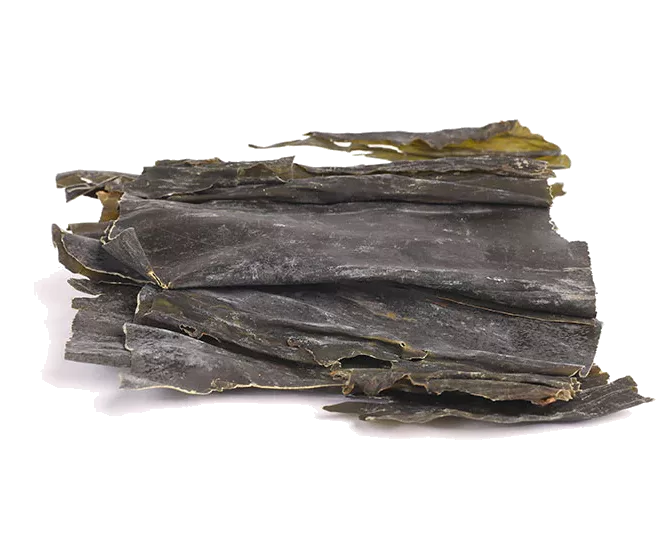
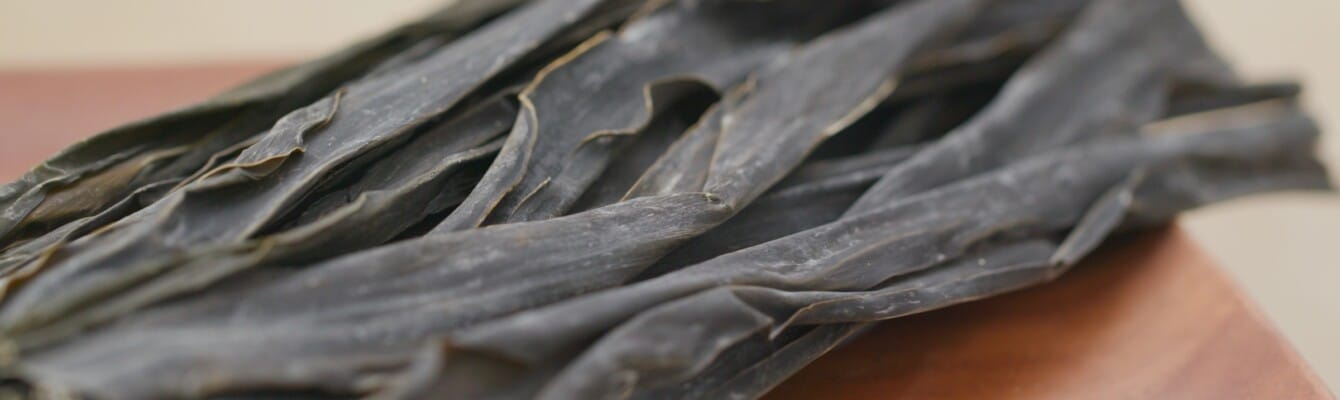
Kombu dried seaweed

Kombu (or konbu), is an edible brown seaweed native to the coasts of Japan, Korea and China.

Highly prized in Japanese cuisine, it is an integral part of the traditional Japanese diet and a mainstay of East Asian gastronomy. Its name comes from the Japanese “昆布”, which simply means “seaweed”.

Traditionally, kombu is harvested by hand from rocks or grown in marine farms where it is attached to ropes submerged in the ocean.

After harvesting, seaweed leaves are washed, dried and sometimes fermented to concentrate flavors and nutrients. Some varieties also undergo light sun drying, which enhances their natural umami taste.

🥗Dietetic properties

Kombu is particularly appreciated for its nutritional virtues and its richness in micronutrients:

  • Iodine: essential for proper thyroid function.
  • Minerals: calcium, magnesium, iron and potassium.
  • Fiber: promotes digestion and intestinal regulation.
  • Amino acids: including natural glutamate, responsible for umami flavor.
  • Low-calorie: perfect for balanced diets.

It also contains polysaccharides, including alginate, which helps regulate fat absorption and maintain satiety. Its properties make it a recommended food for those wishing to combine health and flavor.

🥣Kitchen-uses

Kombu is a versatile ingredient that can be used in a variety of ways:

Bouillons and soups

Kombu is an essential element in the preparation of the basic broth in Japanese cuisine, Dashi. Often combined with dried bonito flakes (katsuobushi), it forms the basis of many dishes, such as soups, stews and sauces.

Simply soak in cold water to extract its umami flavor.

Vegetables and legumes

Adding a piece of kombu to cooking beans or lentils helps to stretch them and reduce digestive gas.

Salads and pickles

Rehydrated kombu can be thinly sliced to make crunchy salads or Asian pickles.

Condiments

In powder or dried, it can be used to spice up sauces, vinaigrettes or stir-fried dishes.

The Chef's Tip
Never boil kombu for too long, otherwise it becomes slimy and loses some of its nutrients and delicate flavor.

🛒Buying guide

To choose a quality kombu, here are a few things to look out for:

VarietyJapanese kombu (Rishiri, Ma-kombu, Hidaka) is renowned for its sweet, umami flavor.
AspectThe leaves should be entirely dry, smooth and dark green to brown in color.
ThicknessThicker leaves offer a broth richer in umami.
OriginPrefer certified organic or from clean marine areas, to limit the presence of heavy metals.
PackagingAirtight bags or well-sealed boxes to preserve flavor and texture.

✨Our selection

Here you will find a selection of quality Kombu, which will enable you to prepare all the dishes mentioned in this article.
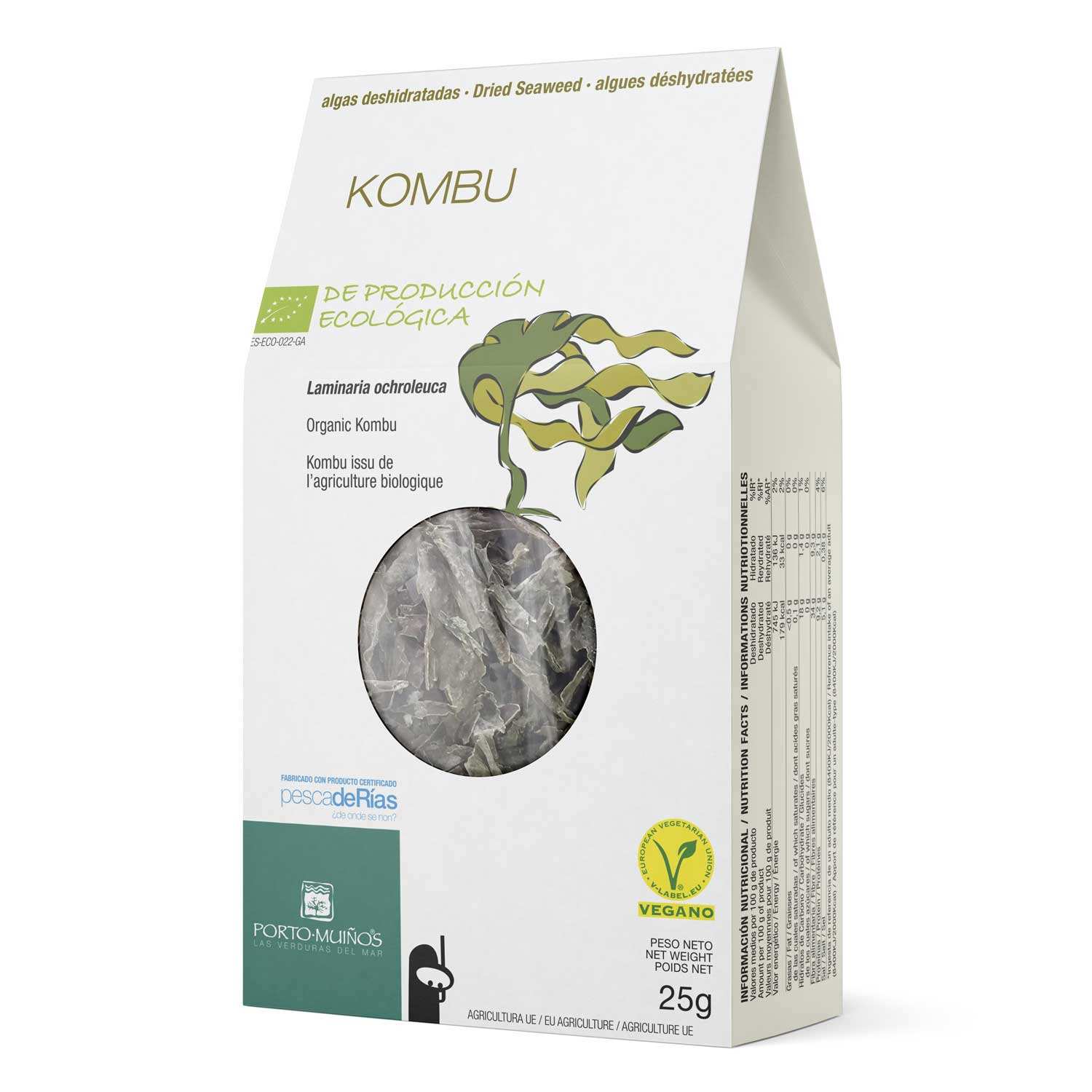
  • Kombu Bio Porto-Muiños
    Kombu - Algues déshydratées bio

    Kombu - Algues déshydratées bio

    chez Merchant Logo
    4 
     (7)
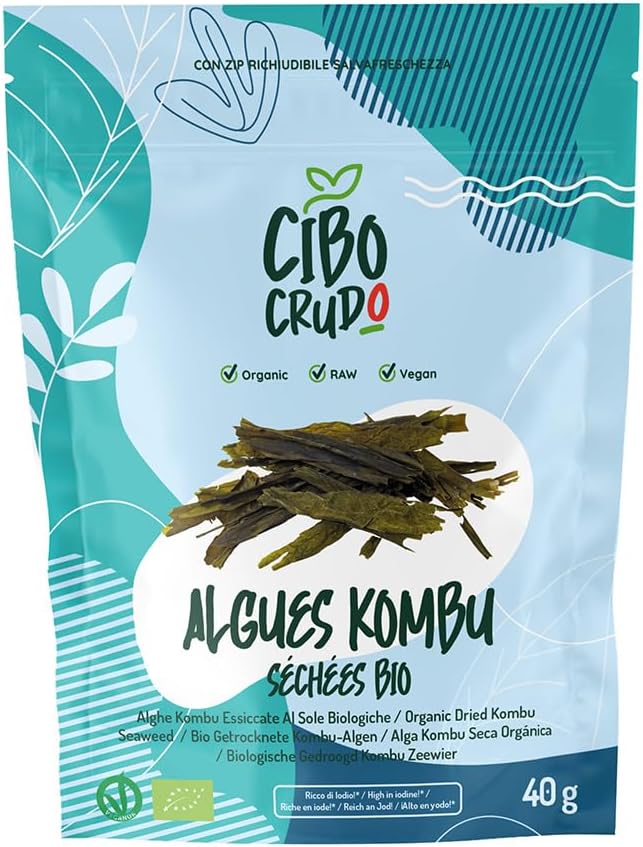
  • Kombu Bio CiboCrudo
    Kombu Bio Origine Espagne

    Kombu Bio Origine Espagne

    chez Merchant Logo
    4.2 
     (1439)
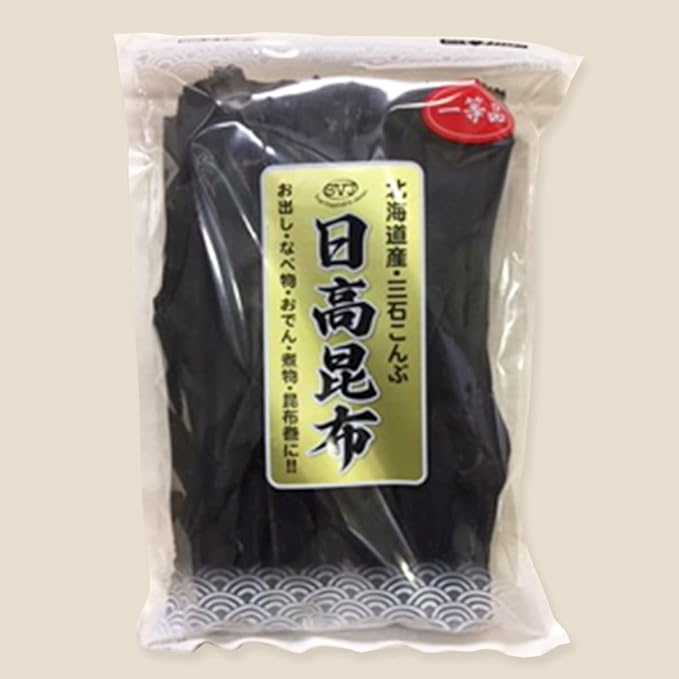
  • Kombu Premium Japon
    Algues Kombu Hidaka

    Algues Kombu Hidaka

    chez Merchant Logo
    4.7 
     (10)

Lance yourself!

Kombu is much more than just a seaweed: it’s a health food with multiple culinary uses, capable of adding depth and richness to your dishes while offering valuable nutrients.

Whether for a traditional Japanese broth, stir-fried vegetables or modern preparations, kombu is an essential ally for combining taste, nutrition and authenticity.Pour aller plus loin, venez découvrir de délicieuses recettes concoctées par les gourmets du site, et qui mettent le Kombu à l’honneur !


Reader Interactions

Leave a Reply Cancel reply

Your email address will not be published. Required fields are marked *

Primary Sidebar

A few seasonal items…

It’s peak harvest or production season for these ingredients… so take this opportunity to discover all the recipes that showcase them!

  • Image de spring onion
    spring onion
  • Image de celeriac
    celeriac
  • Image de strawberries
    strawberries
  • Image de Chinese pomelo
    Chinese pomelo
  • Image de new potato
    new potato
  • Image de scallops
    scallops

All seasonal ingredients

You might also be interested in these articles...

  • Boudin: A French Specialty

    Boudin: A French Specialty

  • Gluten-free cooking: a thoughtful culinary approach

    Gluten-free cooking: a thoughtful culinary approach

  • Roll out (dough)

    Roll out (dough)

  • Should you invest in a bread maker?

    Should you invest in a bread maker?

More ideas

Footer

Useful Links

  • Contact us
  • Legal Notice
  • Privacy Policy
  • Partners

Install the JGourmet app

QR code d'installation de l'appli Joyeux Gourmet sur Android Google Play

Follow us on social media

  • Follow Joyeux Gourmet on Facebook
  • Follow Joyeux Gourmet on Pinterest
  • Follow Joyeux Gourmet on Instagram
  • Follow Joyeux Gourmet on Youtube

All rights reserved©  2015–2026 · Joyeux Gourmet · Log in

Before submitting your article for publication, please make sure it complies with the règles de modération des publications.
Articles that do not meet the requirements will not be published.

Votre carnet de recettes vous attend

Votre carnet de recettes vous attend !

❤️
Sauvegardez vos coups de cœur
🛒
Liste de courses automatique
🔔
Nouvelles recettes en exclusivité
G
N
L
+
gigi, nonocuisine et plus de 0 autres ont déjà rejoint Joyeux Gourmet !
Créer mon compte gratuit Inscription en 1 minute
Déjà membre ?
Se connecter
Je veux en savoir plus sur Joyeux Gourmet