





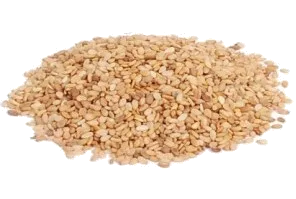
White sesame is a food ingredient that has been known for thousands of years for its many beneficial properties and delicious taste. Used since ancient times, it is employed in cuisines around the world for its unique flavor and health benefits.
Origins of white sesame
White sesame originally comes from East Africa and has been cultivated for over 3,000 years. It was later introduced to other regions such as India, China, and the Middle East. Today, it is grown in many countries, particularly in Asia, Africa, and South America.
Nutritional Value
White sesame is extremely nutritious and an excellent source of protein, fiber, and minerals such as calcium, iron, and magnesium. It is also rich in unsaturated fatty acids, which are essential for good cardiovascular health. Additionally, white sesame is naturally gluten-free, making it an ideal ingredient for people with gluten intolerance.
Season and Storage
White sesame seeds can be enjoyed year-round, as they are not tied to a specific season. To extend its shelf life, it is recommended to store it in a cool, dry place, preferably in an airtight container. It is important to note that white sesame seeds can go rancid quickly due to their high fat content, so it is best to use them within a few months of purchase.
Culinary Uses
White sesame seeds can be used in many ways in the kitchen. The seeds can be toasted and added to salads, vegetable dishes, baked goods, and desserts. They are also used to make tahini, a sesame paste widely used in Mediterranean cuisine, and sesame oil. White sesame seeds can also be used to coat and sprinkle dishes, adding a crispy texture and unique flavor.
In conclusion, white sesame is a versatile and nutritious ingredient that adds a touch of flavor and crunch to many dishes. So don’t hesitate to experiment with it in the kitchen and enjoy its many health benefits!
Pour aller plus loin, venez découvrir de délicieuses recettes concoctées par les gourmets du site, et qui utilisent le sésame blond !









Follow us on social media