




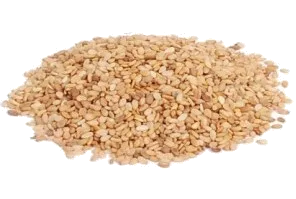
Sesame seeds are little culinary gems that add a unique flavor and crunchy texture to many dishes. Native to Africa and Asia, these seeds have been used in traditional cuisine for thousands of years and have spread throughout the world thanks to their nutritional benefits and versatile culinary uses. In this presentation, we will explore the origins of sesame seeds, their health benefits, potential growing seasons, and the various ways they can be used in cooking.
Origins of Sesame Seeds
Sesame seeds have been cultivated for over 5,000 years, primarily in East Africa and Asia. They were highly prized in ancient civilizations, such as the Egyptians, Greeks, and Romans, who used them for their refined taste and medicinal properties. Today, the main regions producing sesame seeds are India, China, Myanmar, Sudan, and Mexico.
The Nutritional Value of Sesame Seeds
Sesame seeds are extremely nutritious. They are an excellent source of fiber, plant-based protein, calcium, iron, magnesium, zinc, and B vitamins. Their high content of unsaturated fatty acids, particularly omega-6 fatty acids, makes them a valuable ally for cardiovascular health. Additionally, sesame seeds contain natural antioxidants, such as lignans, which help strengthen the immune system and prevent certain chronic diseases.
The Sesame Seed Season
Sesame seeds are generally harvested when ripe from November to February, depending on the growing region. These seeds can be grown in tropical and subtropical climates, where temperatures are warm and there is sufficient sunlight. The growing season may vary by region, but it is important to note that they are available year-round in the market due to their growing demand.
Culinary Uses
Sesame seeds are used in many cuisines around the world. They are often used to top rolls, flatbreads, bagels, and cookies. They can also be processed into a delicious sesame paste called "tahini," which is widely used in Mediterranean and Middle Eastern cuisine. Sesame seeds are also used to prepare sauces, marinades, dips, and salad dressings, adding an exquisite flavor and crunchy texture to dishes. Finally, they are often used to coat meat, fish, or vegetables, giving them a crispy texture and a unique flavor.
Pour aller plus loin, venez découvrir de délicieuses recettes concoctées par les gourmets du site, et qui utilisent les graines de sésame !







Follow us on social media