




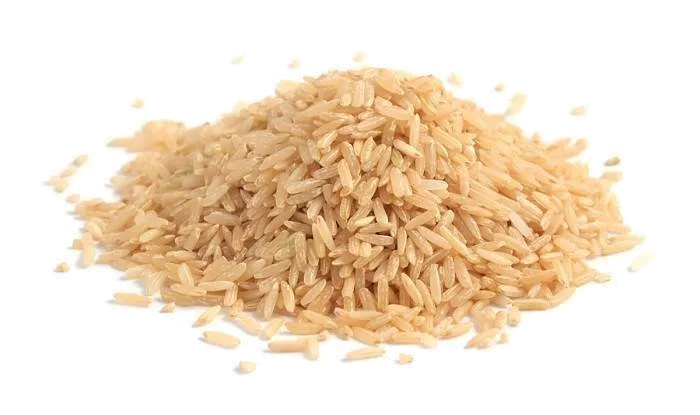
Introduction:
Rice is one of the most widely consumed and beloved foods in the world. It is not only delicious but also offers numerous health benefits. In this presentation, we will explore the origins, nutritional value, seasonal availability, storage, and various culinary uses of rice.
Origins:
Rice originated in Southeast Asia, where it has been cultivated for over 5,000 years. It quickly became a staple food in many cultures, particularly in Asia, Africa, and the Caribbean. Today, rice is grown in many countries around the world, contributing to its widespread popularity and variety.
Nutritional Value:
Rice is a highly nutritious food. It consists mainly of carbohydrates, which provide energy to our bodies. Additionally, it is gluten-free, making it suitable for people with celiac disease or gluten sensitivity. Rice is also a source of many essential vitamins and minerals such as iron, magnesium, and zinc.
Season and Storage:
Unlike other foods, rice is not subject to specific seasons. It can be grown and consumed year-round. As for storage, it is recommended to keep rice in a cool, dry place, away from moisture and direct light. It is best to store it in an airtight container to prevent insect infestation.
Culinary Uses:
Rice is versatile in the kitchen and can be used in a wide variety of recipes. Traditional dishes such as sushi, risotto, and biryani highlight rice’s unique textures and flavors. Rice also makes an excellent base for salads, bowls, soups, and side dishes. It can be prepared in various ways, including steaming, pilaf-style cooking, or simmering.
In conclusion, rice is a highly valued culinary ingredient, offering a variety of health benefits and versatility in the kitchen. Whether you’re looking for a gluten-free option, a quick source of energy, or simply a delicious side dish, rice is definitely a wise choice.
Pour aller plus loin, venez découvrir de délicieuses recettes concoctées par les gourmets du site, et qui utilisent le riz !








Follow us on social media