





The coffee machine you buy directly influences the quality of your daily breaks and determines your taste pleasure for years to come. So how do you go about finding the one that’s really right for you?
We help you do just that, by analyzing your real needs, your consumption habits and your technical expectations. Discover how to identify the perfect machine that will transform every cup into an exceptional moment.
Identify your habits: short, long espresso or milky drinks?
Are you more of a fan of short espressos in the morning, or do you prefer to enjoy a long coffee at the end of a meal? This first question already guides your choice. Traditional espresso lovers will prefer a machine capable of delivering optimum pressure (15 bar minimum) with a high-performance grinder that preserves aromas. If, on the other hand, you enjoy long americano-style coffees, check that the machine offers variable extraction volumes and a stable temperature over time.
For milk drink enthusiasts, the choice becomes more complicated. Cappuccinos, lattes and macchiatos demand an efficient steam nozzle or, even better, an integrated milk carafe. These features radically transform the user experience, but also have an impact on footprint and final price. In France, nearly 30% of equipped households now opt for an automatic coffee machine with integrated grinder, reflecting this quest for gustatory excellence. This trend can be explained by the diversity of user profiles and the necessary adaptation of equipment to personal tastes.
Faced with this variety of uses, a well-thought-out selection of bean-to-cup coffee machines enables us to precisely meet the expectations of every enthusiast, whether an espresso purist or a creator of gourmet drinks. The important thing remains to clearly define your gustatory priorities before comparing technical features. Some models excel in the preparation of short, intense espressos, while others shine for their versatility. This specialization has a direct influence on your daily satisfaction, and warrants careful consideration of your actual consumption habits.
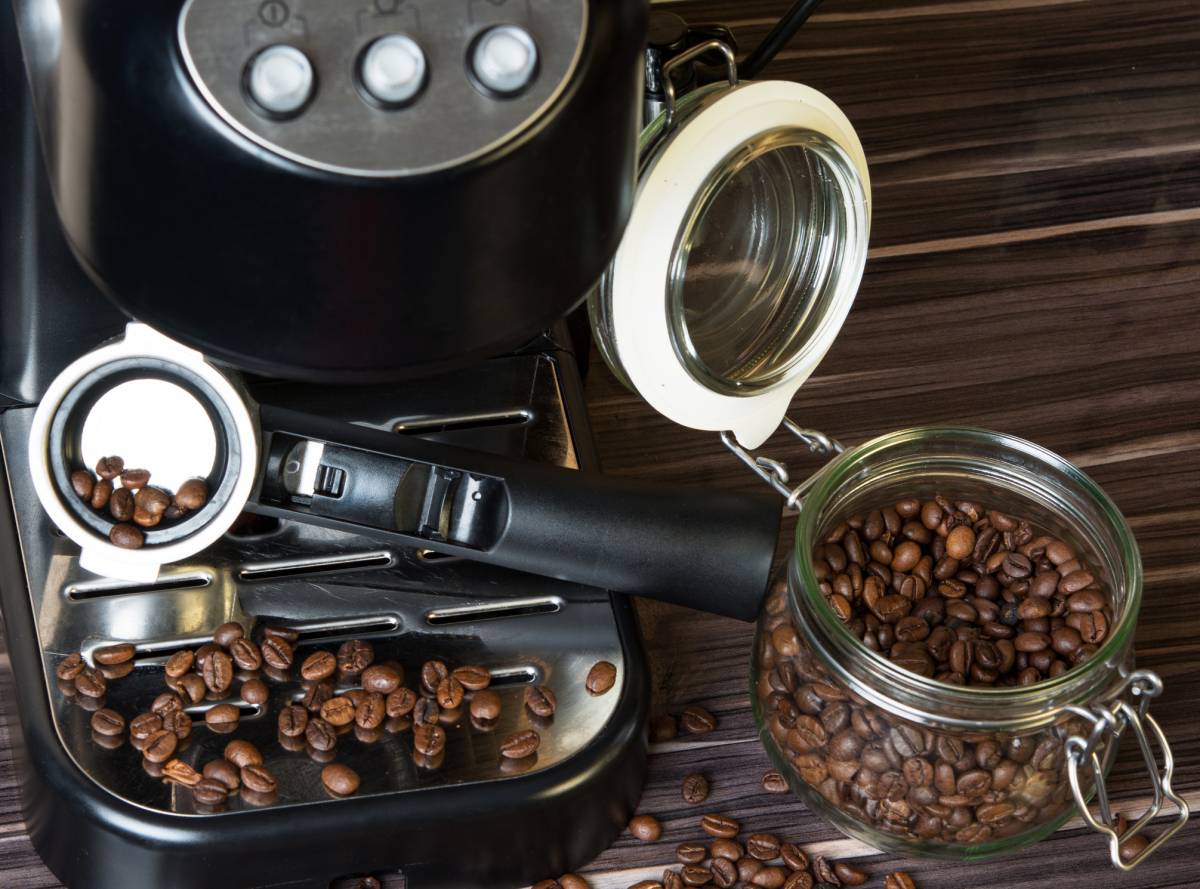
Check the settings available on the bean coffee machine
A quality bean-to-cup coffee machine is distinguished by its ability to personalize each extraction according to your preferences. Grind settings are the first evaluation criterion: the more levels you have at your disposal, the more you refine the taste profile of your coffee. The fineness of grind has a direct influence on aroma extraction. Too coarse a grind produces a bland coffee, while too fine a grind generates bitterness. The best machines offer between 10 and 20 setting levels, allowing you to adapt the preparation to different types of beans.
Temperature control represents another parameter to consider. Too high a temperature burns the delicate aromas; too low a temperature, on the contrary, under-extracts the coffee. Top-of-the-range models maintain a remarkable thermal stability between 88 and 94°C, depending on the type of preparation required. Water intensity and volume complete this panoply of customizable settings. Some machines store up to 4 different user profiles, revolutionizing family use where everyone finds their preferences at the touch of a button.
For a full-bodied espresso, for example, you’ll opt for a fine grind, a temperature of 92°C and a volume of 30 mL. For a soft filter coffee, a coarser grind and a volume of 120 mL will do just fine. This flexibility turns a machine into a true personal barista. Also check for pre-infusion, the step that moistens ground coffee before the main extraction. This feature considerably optimizes taste homogeneity and reveals aromatic nuances masked by rough extraction.
The practical options: double-bin, cup-warmers and automatic programs
Beyond extraction performance, certain options make daily use of your machine easier. The double bean container, for example, lets you alternate between a full-bodied coffee for the morning and a decaffeinated one for the evening, without mixing or wasting your reserves. The integrated cup warmer may seem anecdotal, but it revolutionizes the taste experience. A cold cup instantly cools your espresso, altering its creamy texture. This function then maintains your cups at the ideal temperature and preserves the aromatic integrity of each preparation.
As for the automatic rinse and descale programs, they significantly extend the life of your investment. These preventive cycles remove lime residues and rancid oils that degrade taste and clog internal circuits. Some models feature energy-saving modes that automatically reduce consumption after a period of inactivity. This eco-friendly approach reduces your energy footprint and preserves electronic components sensitive to prolonged overheating.
Intelligent pomace management is another welcome innovation. Removable recovery bins and compaction systems optimize autonomy between emptying and make it easier to compost this nutrient-rich organic waste. And don’t forget the maintenance alerts that warn you in real time of any necessary operations. These preventive notifications avoid breakdowns and guarantee consistent quality of your preparations over time.
Size and design: think about space on the worktop
The space available in your kitchen directly influences the choice of your bean-to-cup coffee machine. Measure the dedicated space precisely, taking into account the height needed to fill the water tank and accessibility to the various maintenance compartments. Compact models are ideal for small spaces, but require compromises on tank capacity or beverage variety. Larger machines, on the other hand, offer greater functionality. They do, however, require a generous worktop and sufficient cabinet height.
Concerning design, stainless steel finishes facilitate daily maintenance, while matte black surfaces better conceal fingerprints. They do, however, require more frequent cleaning to maintain their elegance. Also, check the orientation of removable elements (water tank, bean container, grounds drawer, etc.) to ensure they remain accessible in your configuration. Some models feature side-mounted reservoirs, which are practical for use under tall units. Finally, pay attention to the integrated lighting and readability of the control screen, especially if your machine is located in a less bright corner of the kitchen. A clear display facilitates adjustments even in difficult lighting conditions.
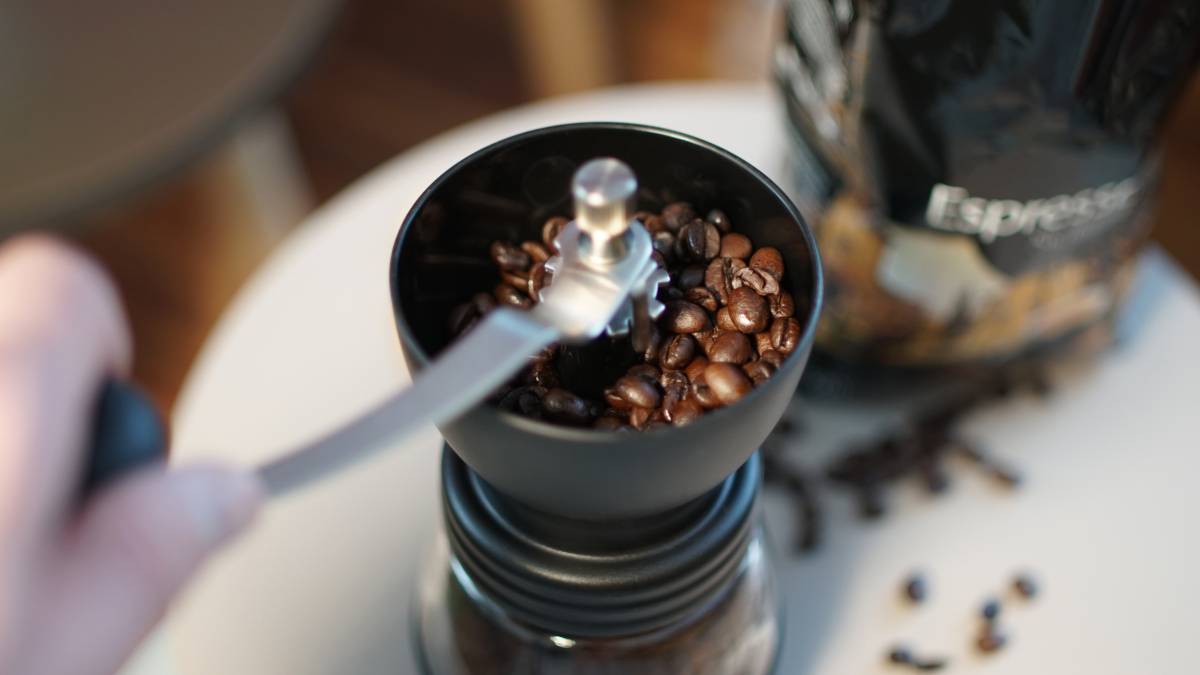
Tenez-compte-des-avis-d-utilisateurs-et-des-tests-comparatifs
Feedback from other users reveals practical aspects that technical data sheets don’t mention, such as ease of daily cleaning or stability of settings over time. Independent comparative tests, meanwhile, analyze the performance of each model according to objective criteria. They evaluate:
- extraction quality,
- the regularity of preparations,
- the durability of the components,
- overall value for money.
These technical analyses complement your subjective impressions. However, beware of extreme opinions, whether excessively positive or negative. Instead, favor detailed comments that explain conditions of use and points of comparison with other models. This nuanced approach gives you a more realistic view of each machine’s strengths and weaknesses.
Specialized forums and enthusiast communities also abound with practical advice and long-term feedback. These exchanges between enthusiasts reveal optimization tips and solutions to common problems you may encounter. In all cases, don’t hesitate to consult several sources to cross-reference information and identify points of convergence. This comparative approach will guide you towards a choice that is truly tailored to your specific expectations.
The choice of a bean coffee machine is thus the result of a detailed analysis of your habits, space constraints and taste requirements. This methodical approach guarantees you a successful investment that will sublimate your coffee moments for many years to come. Focus on component quality, ease of maintenance and customization options to fully savor every cup every day.













Leave a Reply