




Whether you’re preparing everyday meals or elaborate gourmet dinners, choosing the right pan is essential. The coating directly affects cooking quality, maintenance, and your health. That’s why more and more consumers are turning to pans with PFAS-free nonstick coatings, which combine performance with food safety.
The main types of pan coatings
1. PFAS-free non-stick coating
Traditional non-stick pans are often made with PTFE (Teflon), a controversial compound due to the past presence of PFOA and other PFAS. PFAS (pronounced “pifas”) are persistent chemical compounds suspected of being harmful to health and the environment.
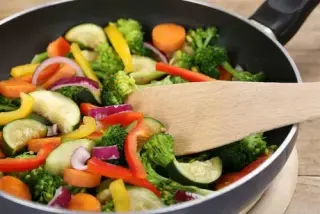
Fortunately, new PFAS-free coatings offer a healthy alternative while maintaining excellent non-stick properties. Ideal for cooking without fat, they’re perfect for eggs, pancakes, or sautéed vegetables. However, they shouldn’t be exposed to extremely high temperatures or metal utensils.
2. Ceramic
PFAS-free by design, ceramic is an eco-friendly alternative. Heat-resistant, it does not release toxic substances. It allows for even cooking with little fat. Its main drawback is its fragility: the coating can lose its effectiveness over time, especially with heavy use or abrasive cleaning.
3. Stainless Steel
Durable, healthy, and versatile, stainless steel is a favorite among professional chefs. It has no non-stick coating, which can make cooking more technical. It is ideal for searing meats, sautéing vegetables, or making sauces. To prevent food from sticking, you must preheat the pan thoroughly and adjust the amount of fat, which can result in cooking methods that are less healthy than with non-stick pans.
4. Cast Iron (Uncoated or Enameled)
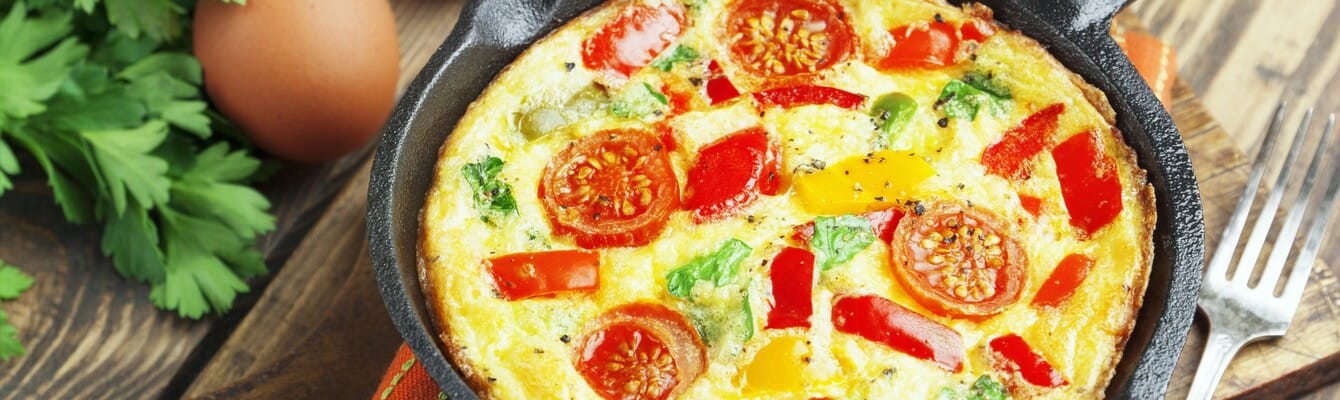
Natural cast iron is renowned for its ability to distribute heat slowly and evenly. Highly prized for slow cooking or simmered dishes, it can also be used for searing. Unlike enameled cast iron, uncoated cast iron has no coating: it is the seasoning process that makes it non-stick.
Seasoning involves heating the pan with a fat (such as vegetable oil) to create a thin protective layer. This layer develops over time and with use, improving resistance to food sticking. It is therefore important not to wash the pan with harsh dish soap after each use, so as not to alter this natural patina.
5. “Stone” coating
So-called “stone-effect” pans generally feature a coating reinforced with mineral particles, such as granite or marble. They are durable and aesthetically pleasing. Be careful, however: many of these pans still have a PTFE base. It is therefore essential to check for the “PFAS-free” label if this is a key factor in your decision.
How to choose the right one?
The choice of coating depends on your priorities:
- For healthy, low-fat cooking: opt for a PFAS-free non-stick coating.
- For a durable and versatile pan: stainless steel or cast iron are excellent choices.
- For a natural alternative: ceramic can be a good option in the short or medium term.
- For heavy-duty use and if weight isn’t an issue for you: choose seasoned cast iron, which improves with age.
In conclusion
Choosing the right pan coating means investing in a healthier, more efficient kitchen that’s better suited to your habits. PFAS-free alternatives let you cook with confidence while protecting your health. Before buying, take the time to compare materials and think long-term.



Leave a Reply