





Foie gras is one of the jewels of French gastronomy. Whether served as an appetizer, as entrée refined or integrated into a recette hot, it symbolizes culinary savoir-faire and the art of entertaining. Yet, faced with the diversity of shapes, appellations and qualities, it’s not always easy to know which foie gras to select according to the occasion.
Here you’ll find a comprehensive guide to choosing the product best suited to your needs, while understanding the essential criteria that define a foie gras high of range.
Understanding the different categories of foie gras
Before choosing foie gras for a specific occasion, it’s essential to know the main categories. They do not all correspond to the same use, and each one has characteristics that influence texture, resistance to cooking or gustatory finesse.
Raw foie gras
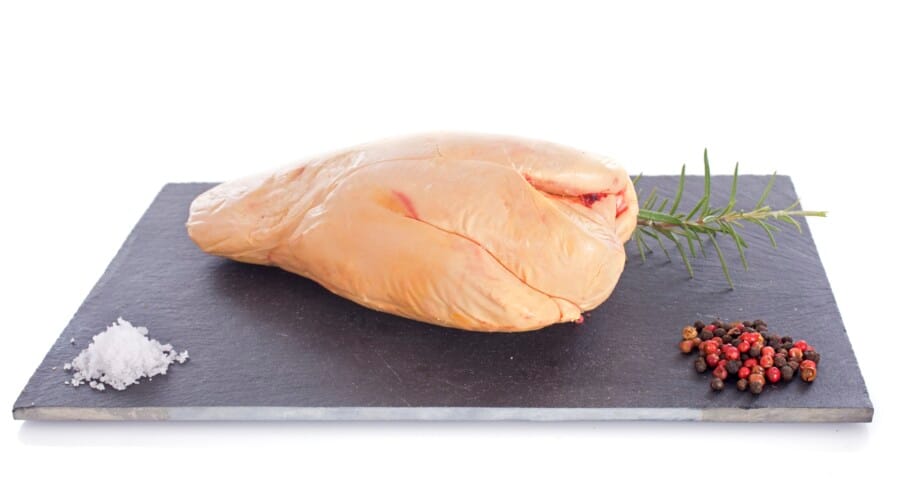
This is foie gras as it comes out of the slaughterhouse, ready to be prepared. You can use it to make your own terrines, ballottines, steamed or pan-fried dishes. Its quality must be beyond reproach, as no further processing will mask any defects.
You’ll use it if you want to master the entire culinary gesture and offer a “homemade” foie gras.
Half-cooked foie gras
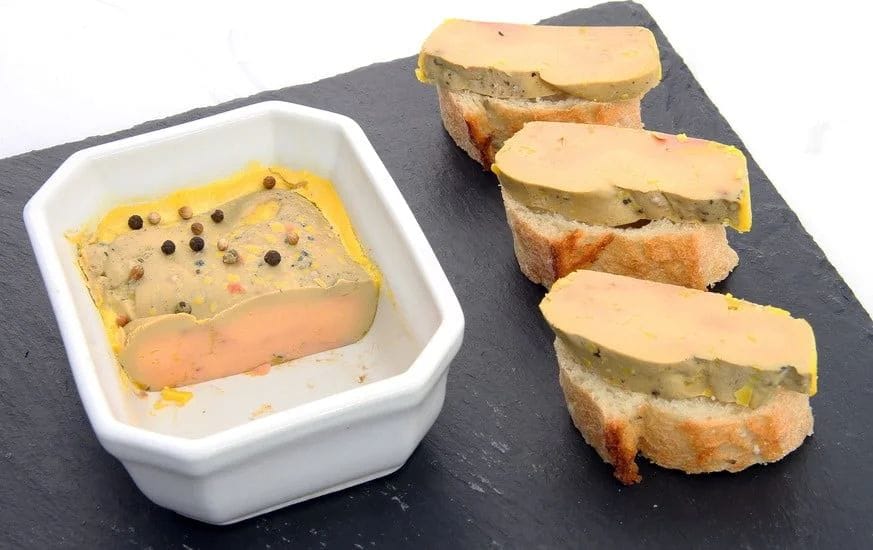
Cooked at a low temperature (around 70 to 85°C), it keeps well in the fridge and offers a particularly melt-in-the-mouth texture. It is often the preferred product of gourmets, as it fully restores the flavors of foie gras without overcooking.
It is mainly served cold, in thin slices, or integrated into a preparation where it is not recooked.
Foie gras in cans or jars
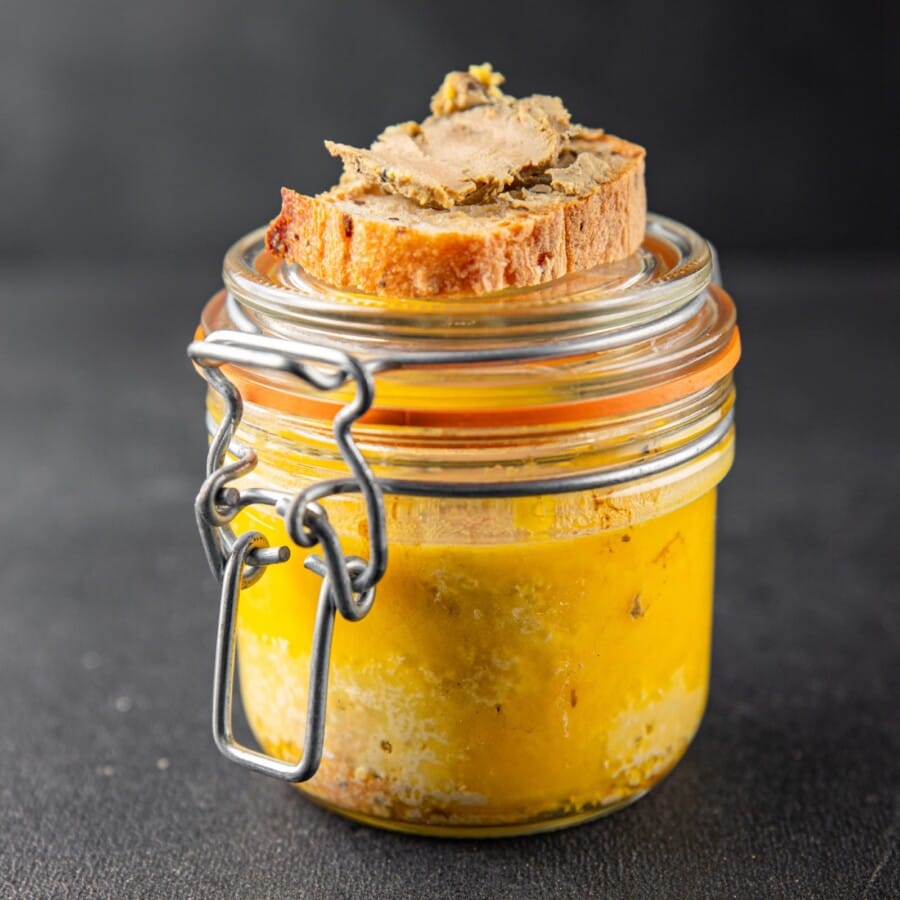
Thanks to further sterilization, it can be kept for several years. Its texture is firmer, its taste slightly more developed.
You’ll appreciate it for its practicality, long shelf life and perfect hold when cut.
Whole foie gras, foie gras and bloc de foie gras
These appellations notified on the label are decisive :
- Whole foie gras: made up of one or two lobes. The premium product par excellence.
- Fat liver: assembly of lobe pieces. Very high quality, but slightly less homogeneous.
- Bloc de foie gras: smooth, homogeneous emulsion, sometimes with chunks. Ideal for toasts or economical preparations, but less noble.
How to recognize a foie gras of high quality ?
Origin and rearing method
An exceptional foie gras comes from a chain where breeding, feeding and respect for animal welfare are carefully controlled. French labels – IGP “Sud-Ouest”, Label Rouge – are good benchmarks.
Prefer foie gras from ducks raised and force-fed on site, on a corn-based diet.
The visual aspect
A quality foie gras presents :
- a uniform color, ivory or slightly pink,
- a soft but not squishy texture,
- a smooth surface, without bloodstains or bruises.
The touch and hold
Foie gras must resist slightly under finger pressure. Too soft and it will melt excessively when cooked. Too firm, it may be nervous or overcooked.
The taste
High-quality product offers a long, balanced mouthfeel, without bitterness or excess salt.
Mid-cooking reveals more buttery, delicate notes preserving accentuates aromatic complexity.
Which foie gras to choose according to culinary use ?
Each preparation calls for a particular type of foie gras. Here are the recommendations from a professional point of view, in order to obtain the best possible result.
🍞Pour une terrine ou ballottine
The foie gras cru extra is the most suitable choice. It should melt just right, without excess. Its quality directly determines the success of the preparation.
🥩Pour des escalopes poêlées
You need a raw foie gras very firm, from a good-sized duck. A good hold prevents it from disintegrating when cooked briskly.
🥂For a refined aperitif or a festive meal
The foie gras mi-cuit or the foie gras entier en conserve are a must. Their clean cut and elegant aroma will sublimate toasts, a chutney or a pairing with brut or extra-brut champagne.
🍽️En ingredient for other preparations
A block of foie gras will be perfect for enriching a sauce, garnishing bites or composing a savory cake. Its smooth texture lends itself to a more technical use.
Tableau récapitulatif : quel foie gras pour quelle utilisation ?
| Type of foie gras | Texture | All main | Ideal use | Level of quality |
|---|---|---|---|---|
| Cru extra | Soft but firm | Great culinary freedom | Terrine, ballottine, pan-fried | ⭐⭐⭐⭐⭐ |
| Mi-cuit | Very melting | Fine aromatics | Cold service, parties, aperitifs | ⭐⭐⭐⭐⭐ |
| Whole (semi-cooked or canned) | Homogenous and noble | Authenticity | Toaster, pure tasting | ⭐⭐⭐⭐⭐ | Conserve | Firmer | Long shelf life | Placard at any time, impromptu meals | ⭐⭐⭐⭐ |
| Block of foie gras | Smooth and even | Right value for money | Sauces, canapés, built-in recipes | ⭐⭐⭐ |
Accords mets-vins : sublimer l’expérience 🥂
Foie gras pairs beautifully :
- with a champagne brut, for a distinguished alliance,
- with a vieux Sauternes or a Monbazillac,
- With a dry, woody white wine, such as a Pessac-Léognan, for lovers of more structured pairings.
The important thing is to choose a wine capable of accompanying the richness of the foie gras without overpowering it.
Choose with knowledge to savor fully
Selecting a quality foie gras involves observing its appearance, understanding its appellation, preservation method and intended culinary use. When you choose a product that comes from a masterly production chain, processed with respect, you benefit from the quintessence of this emblematic dish of French haute cuisine.
Whether raw to be worked on, semi-cooked for elegant tasting or canned for spontaneous pleasure, foie gras remains a deeply cultural product, which is appreciated all the more when you know how to choose it with discernment.
Pour aller plus loin, venez découvrir de délicieuses recettes concoctées par les gourmets du site, et qui mettent le foie gras à l’honneur !





Follow us on social media