



A quality cooking class is not limited to the simple execution of a recipe guided by a chef. The professionals who design and lead these moments know that success depends on a subtle balance between content, method and ambiance.
Thankfully, quality cooking classes aren’t just for the inhabitants of our Parisian capital. Thanks to this practical guide, you’ll understand the essential criteria to consider, whether you’re looking for a cooking class around the World!
Pedagogy at the heart of the culinary experience
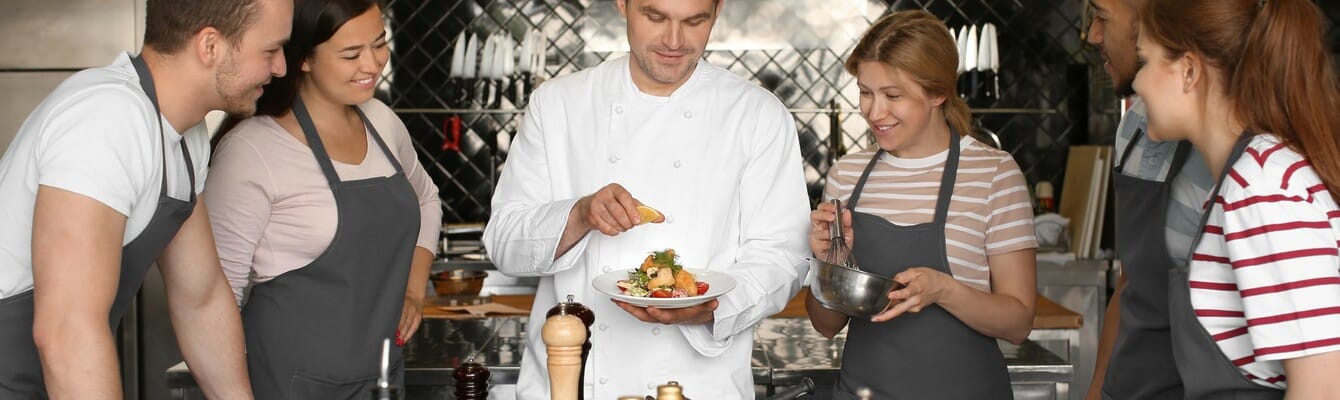
A good cooking class relies first and foremost on a clear pedagogical approach. It’s not just about reproducing a recipe, but acquiring gestures and reflexes that are transferable to other preparations.
The chef’s role is then comparable to that of a coach: he breaks down the steps, highlights the technical points and encourages participants to appropriate the know-how.
The role of shared time and conviviality
Within the framework of a cook and dine formula (“cuisine et repas” in good French!) another indicator of quality, often underestimated, lies in the time allotted to the meal. The moment when we taste together what we’ve prepared is much more than a simple reward: it’s an educational extension and a crucible of conviviality.
Around the table, the chef answers any last questions, shares anecdotes, and encourages participants to express their impressions. This moment of exchange creates a lasting memory and transforms the course into a complete human experience.
Friendliness is also built on details: a warm welcome, a relaxed atmosphere, a fluid organization that avoids dead time or frustration. Participants should feel actors, never spectators, and leave the workshop with the feeling of having learned while having spent a moment of shared pleasure.
The atmosphere of the venue and the quality of the facilities
A cooking course is lived not only by what you do, but also by the environment in which it takes place. A welcoming venue, with clean decor and a warm atmosphere, immediately puts participants at ease and creates a setting conducive to culinary creativity. Conversely, a cold, impersonal or cluttered space can dampen enthusiasm.
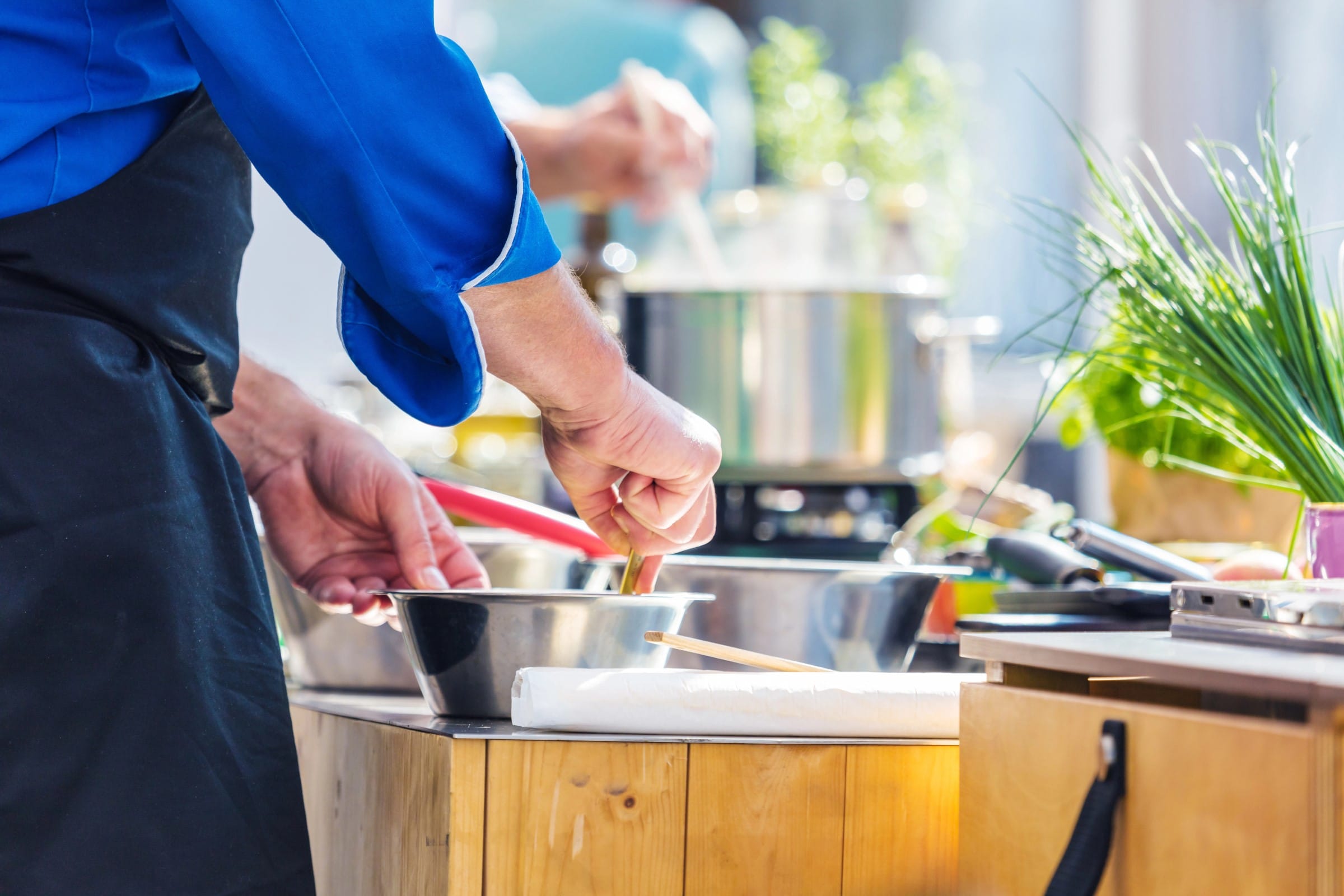
The impeccable cleanliness is of course non-negotiable, as it inspires confidence and reflects the professionalism of the workshop.
As for the equipment, its quality and adaptation to the recipes on offer make all the difference.
The size of the group, a decisive factor
In the context of a team building workshop between colleagues, a facility adapted to groups large is quite relevant: it promotes cohesion, stimulates collective energy and enhances the playful dimension.
But once the aim is to learn cooking techniques, the number of participants should remain relatively small. A small group offers proximity to the chef, makes individual corrections possible and creates a dynamic of richer exchanges.
A chef who has to answer questions from twenty participants at once can’t give the same attention as to six or eight people. This is why professionals often consider that an intimate format remains the most suitable for effectively transmitting techniques and fostering real progress.
The look of professionals: coherence and fluidity
For a chef, a quality cooking course isn’t just about successful recipes. What matters is the consistency of the whole: a logical progression, clear instructions, ingredients prepared in advance but leaving room for the initiative of the participants, a fluid rhythm that avoids haste as well as length.
It’s this overall coherence that distinguishes an amateur workshop from a professionally designed course: the ability to guide, transmit and create a memorable experience where everyone learns, progresses and leaves with the desire to start again at home 😋










Leave a Reply