




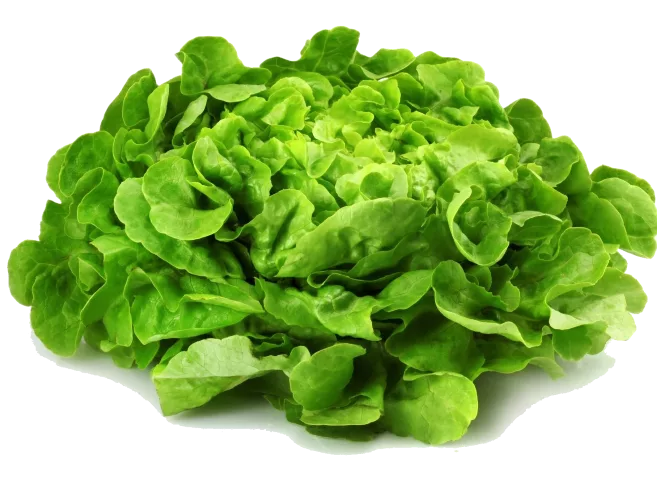
Green salad has been a staple of our diet for centuries. Light, crisp, and refreshing, it elegantly complements both simple everyday meals and more elaborate dishes. Rich in fiber, vitamins, and minerals, it is a valuable ally for health and well-being, while offering countless culinary possibilities.
Origins and History
The cultivation of lettuce dates back to ancient times. The Egyptians were already growing lettuce and attributed medicinal properties to it, particularly for promoting sleep and aiding digestion. The Romans popularized the consumption of raw lettuce, often dressed with oil and vinegar, and the practice gradually spread throughout Europe. Today, green salad is a universal food, enjoyed in all seasons and found on every table.
The Different Varieties
Green salad comes in a multitude of varieties, each with its own specific texture and flavor:
- Lettuce: mild and crisp, ideal for mixed salads.
- Romaine: firmer, slightly bitter, perfect for Caesar salads or wraps.
- Lamb’s lettuce: small, tender leaves with a slightly nutty flavor, often used in mixed salads or as a refined appetizer.
- Arugula: elongated, peppery leaves that add character to Italian salads or garnished dishes.
- Batavia: crisp and juicy, works well in mixed salads and various garnishes.
Each variety can be used alone or in a mix to create a variety of textures, colors, and flavors.
Nutritional Benefits
Green salad is a low-calorie food, very high in water content (over 90%), and an excellent source of fiber, promoting satiety and healthy digestion. In terms of vitamins and minerals, it provides:
- Vitamin C: an antioxidant that boosts the immune system.
- Vitamin K: essential for blood clotting and bone health.
- Vitamin B9 (folic acid): important for cell division and cardiovascular health.
- Potassium, calcium, and magnesium: key minerals for electrolyte balance and muscle health.
On average, 100 g of green salad provides about 19.5 kcal, 1.8 g of protein, 3.4 g of carbohydrates (including 0.9 g of sugars), 0.4 g of fat, 1.6 g of fiber, and only 10 mg of sodium, making it a light and healthy food, ideal for any balanced diet.
Culinary Uses
Green salad is extremely versatile in the kitchen. It can be served raw, simply dressed with olive oil and vinegar, or accompanied by various toppings: nuts, cheese, fruit, eggs, or chicken. It also serves as a base for more elaborate dishes, such as mixed salads, wraps, or “Buddha bowls.”
A few delicious ideas:
- A green salad with walnuts and goat cheese, drizzled with a touch of honey.
- Caesar-style romaine with grilled chicken, croutons, and Parmesan.
- Lamb’s lettuce with beets and apples, perfect for a sweet-and-salty twist.
- Italian-style arugula, served with cherry tomatoes, mozzarella, and fresh basil.
It can also be lightly cooked, for example sautéed to accompany a vegetable dish or incorporated into quiches and tarts.
Conclusion
A symbol of freshness, simplicity, and health, green salad is a staple of modern cuisine. Versatile, light, and nutritious, it adapts to all preparations and all seasons, combining culinary pleasure with nutritional benefits. Whether in a mixed plate, a hearty bowl, or a refined side dish, green salad remains a timeless classic, indispensable in any kitchen.
Pour aller plus loin, venez découvrir de délicieuses recettes concoctées par les gourmets du site, et qui mettent la salade à l’honneur !








Follow us on social media