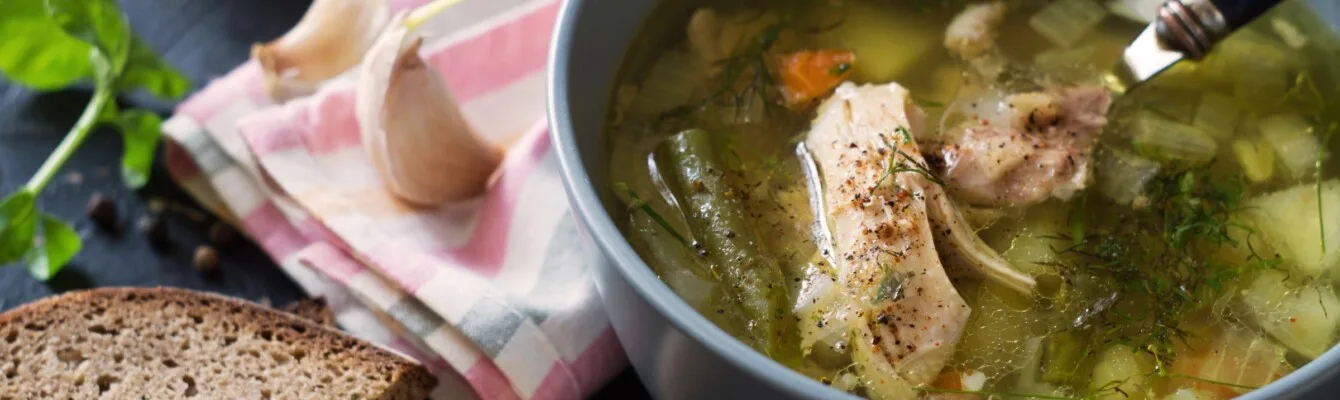





The bouillon is one of the simplest and noblest preparations in traditional cooking. At once aromatic base, cooking liquid and foundation of many sauces, it embodies the very essence of taste. Behind its apparent simplicity lies a world of subtleties: vegetable, poultry, beef and veal broths, or the famous “fonds” used in French gastronomy. Each has its own character, uses and secrets.
What is a bouillon?
The bouillon is a liquid obtained by the slow cooking of aromatic ingredients – vegetables, meats, bones, herbs and spices – in water. This process extracts flavors, minerals and collagen, giving the liquid incomparable richness and depth.
It’s an essential culinary base, both light and flavorful, which can be eaten as is or used to enrich a multitude of dishes: soups, risottos, sauces, simmered dishes, or even cereal and vegetable cooking.
The different types of broths and their uses
🥕 Vegetable broth
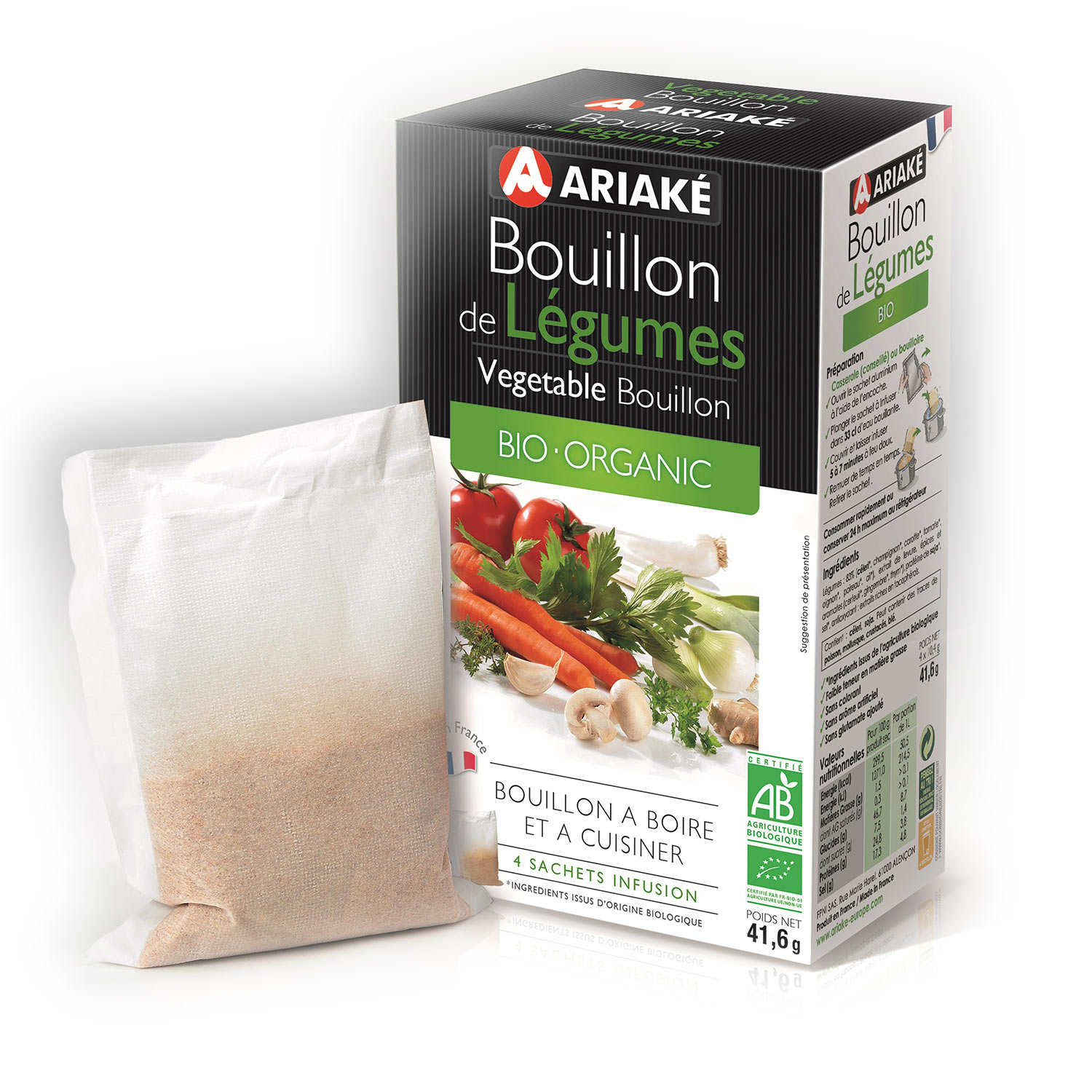
This is the lightest and most polyvalent. Prepared with fresh vegetables (carrots, onions, leeks, celery, turnip…) and a bouquet garni, it provides a balanced taste without animal fats. It can be clear or slightly golden, depending on the cooking time.
It is used to cook rice, quinoa, pasta, or to wet a vegetarian risotto. It’s also perfect for lightening a soup, a purée or for degreasing an overly rich bake.
🐔 Le bouillon de volaille
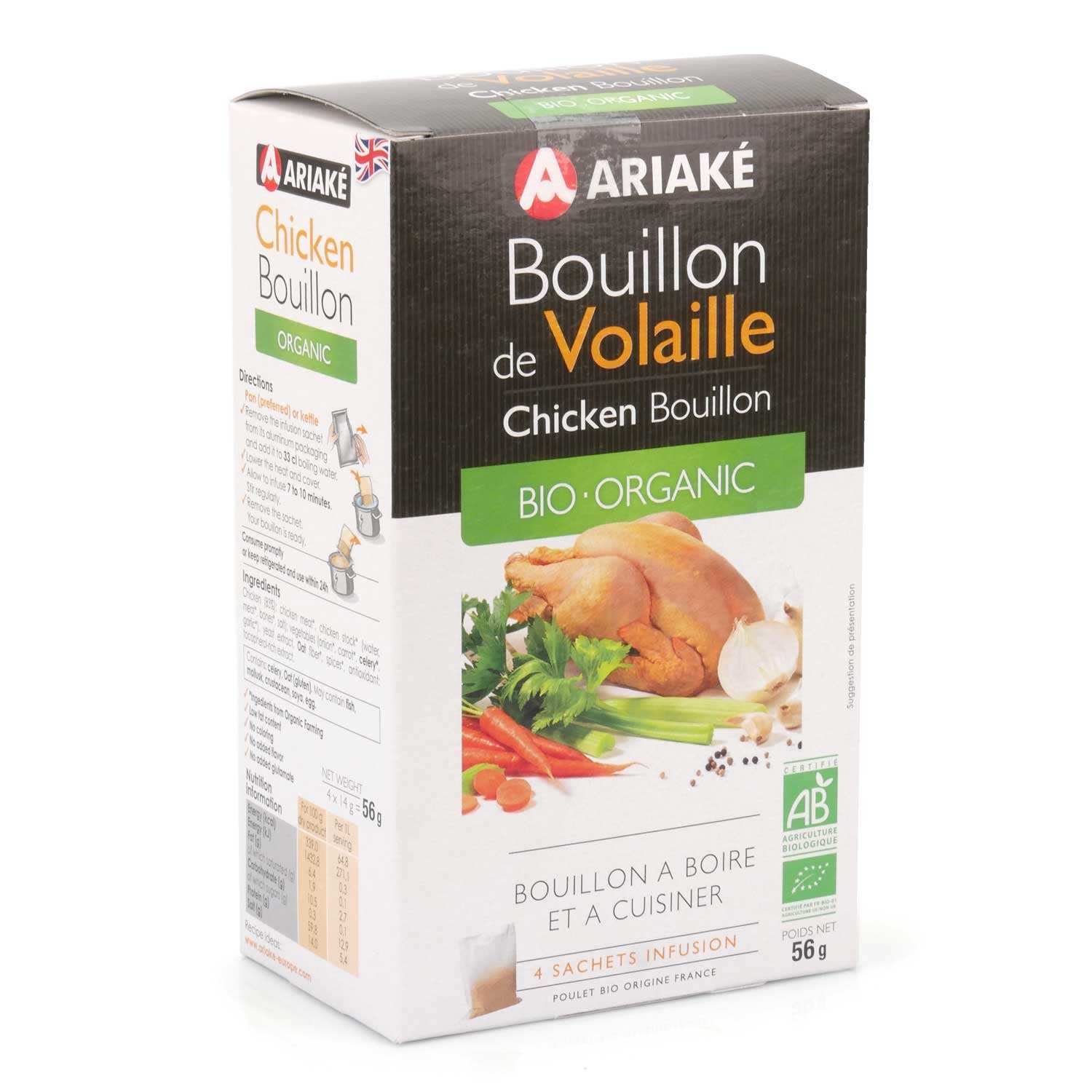
Prepared with a chicken or poultry carcass, vegetables and herbs, it’s rich in flavor but delicate, with a lovely roundness. It makes the ideal base for clear soups, veloutés, creamy sauces, or dishes such as chicken risotto, poultry blanquette or chicken with cream.
Poultry stock is also excellent for wetting a stew or reheating meat without drying it out.
🐄 Beef broth
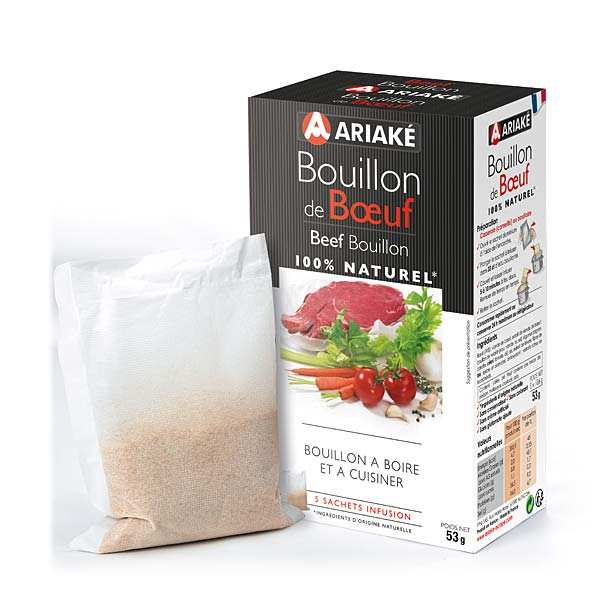
More full-bodied, made from long-simmered beef bones and chunks, this is the broth for simmered dishes and winter stews. Its deep flavor is ideal for pot-au-feu, peasant soups, lentils or even sauces brunes.
It’s also the base for the highly concentrated fond brun de bœuf, used in gastronomy to enrich meat sauces or reductions.
🐄 Veal stock
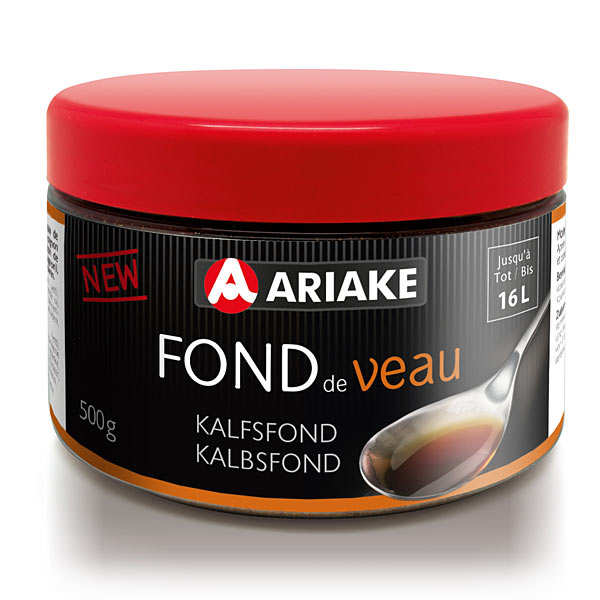
Veal broth, more subtle and gentle than beef broth, is made from veal (bone, shank, collar) simmered for a long time with vegetables. It’s the base of the famous fond blanc de veau, a must in classic sauces such as sauce suprême or sauce blanquette.
It’s used in plats en sauce claire (blanquette, ris de veau, fricassées) and in delicate preparations where you want a refined taste without excess power.
🐟 Le fumet de poisson
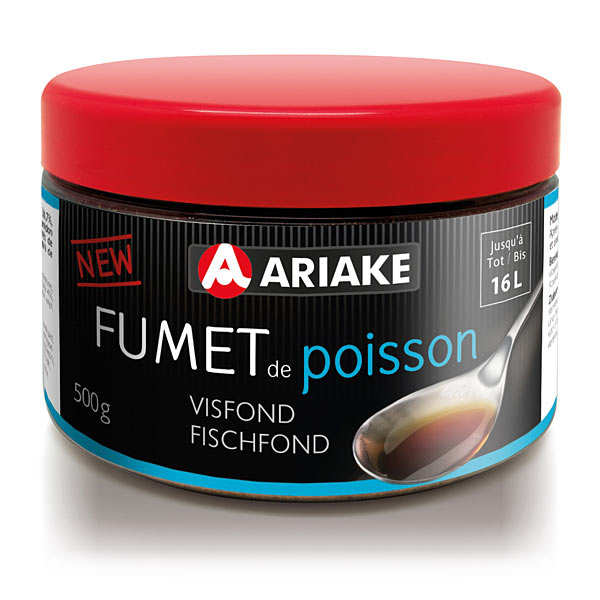
Specific to seafood cuisine, fumet de poisson is prepared with the bones and heads of white fish, simmered with white wine, onions, shallots and herbs. It’s a very fragrant broth, but cooks quickly (20 to 30 minutes maximum).
It’s used in sauces for fish, seafood risottos, fish soups and scallops.
🍄 The modern and exotic broths: mushrooms, crustaceans, miso…
Contemporary kitchens are also exploring other horizons:
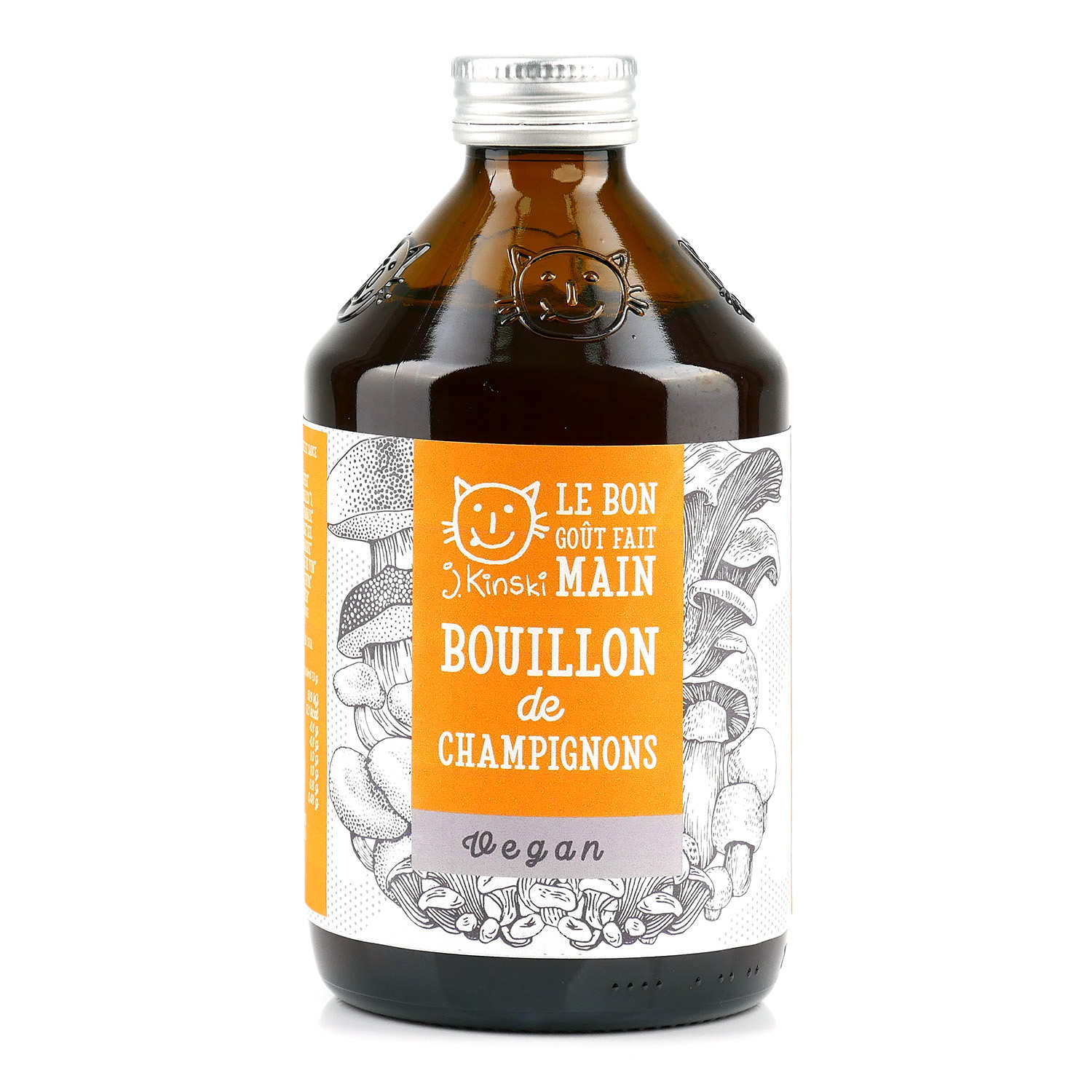
- The mushroom broth, intense and earthy, sublimates vegetarian dishes, pasta or truffle risottos.
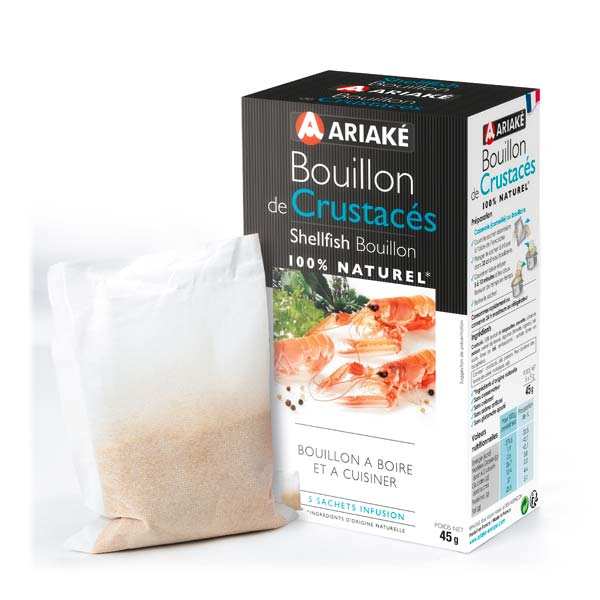
- The crustacean broth (made from the heads and shells of shrimps, lobsters, crabs) gives rise to powerful, aromatic sauces, particularly for bisques.
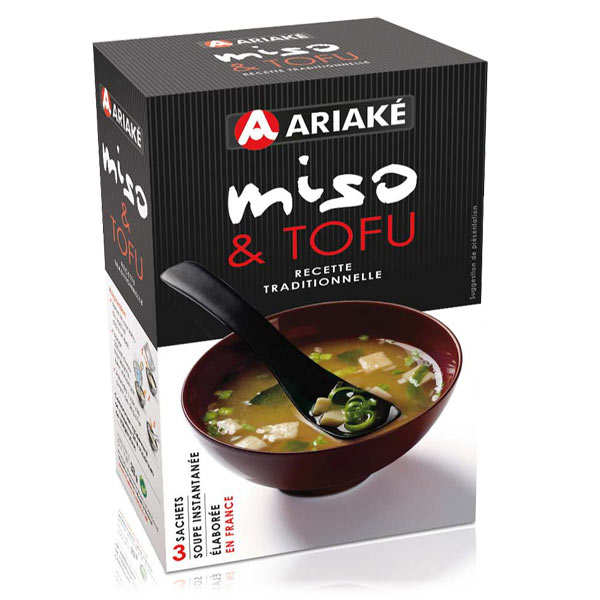
- The miso broth, of Japanese origin, combines fermented miso paste, kombu seaweed and dried bonito. It’s perfect for Asian soups, ramens and Japanese-style vegetarian dishes.
Les fonds: concentrated broths
The fond de cuisine is a reduced and concentrated version of broth, used to make sauces.
- The fond brun (often veal or beef) is made from roasted bones, aromatics and red wine.
- The fond blanc (veal, poultry or vegetables) remains light and airy.
- The fumet de poisson is the marine version of fond.
These preparations are essential in classic French cuisine and serve as the basis for iconic sauces: demi-glace, velouté, espagnole, suprême, etc.
How to choose and use a broth?
When you’re not making your own broth, you can turn to dehydrated, liquid or concentrated broths. The secret is to choose products that are low in salt and additive-free, and to dilute them according to the dish.
A good reflex is to adapt the broth to the main ingredient: a poultry broth for white meats, a fumet for fish, a brown stock for red meats, a vegetable broth for vegetarian dishes.
🧂 Summary table: which broth for which dish?
| Type of broth / stock | Main flavor | Typical uses | Our recommendations |
|---|---|---|---|
| Vegetable broth | Light, mild, vegetable | Cereal dishes, risottos, soups, purées 🥘 Vegetarian risotto, leek soup, vegetable quinoa | |
| Poultry broth | Round, flavorful, delicate | Clear sauces, soups, risottos, poultry dishes 🥘Blanquette, poultry velouté, creamed chicken | |
| Beef broth | Bodied, powerful | Stews, brown sauces, simmered dishes 🥘Pot-au-feu, beef lentils, sauce bourguignonne | |
| Veal stock | Subtle, velvety | Refined sauces, light dishes 🥘Veal flanquette, sweetbreads, fricassee | |
| Fish fumet | Seafood, fragrant | Sauces, risottos, fish soups 🥘Scallops, risotto de la mer, bisque | |
| Shellfish broth | Intense, iodized | Sauces, soups, bisques 🥘Lobster bisque, shrimp linguine | |
| Mushroom broth | Woody, umami | Vegetarian dishes, sauces, risottos 🥘Risotto with porcini mushrooms, truffle pasta | |
| Miso broth | Umami, fermented | Soups, noodles, Asian dishes 🥘Ramen, miso soup, stir-fried tofu |
Lance yourself!
Broth is much more than a simple addition of liquid: it’s a supplement of flavor and character for all your cooked dishes. It binds ingredients together, harmonizes a dish, and sometimes completely transforms it.
Whether homemade or carefully chosen, it deserves a central place in everyday cooking. Because when it comes down to it, as the chefs say, “a good broth is already half a good dish.” 🍲









Leave a Reply