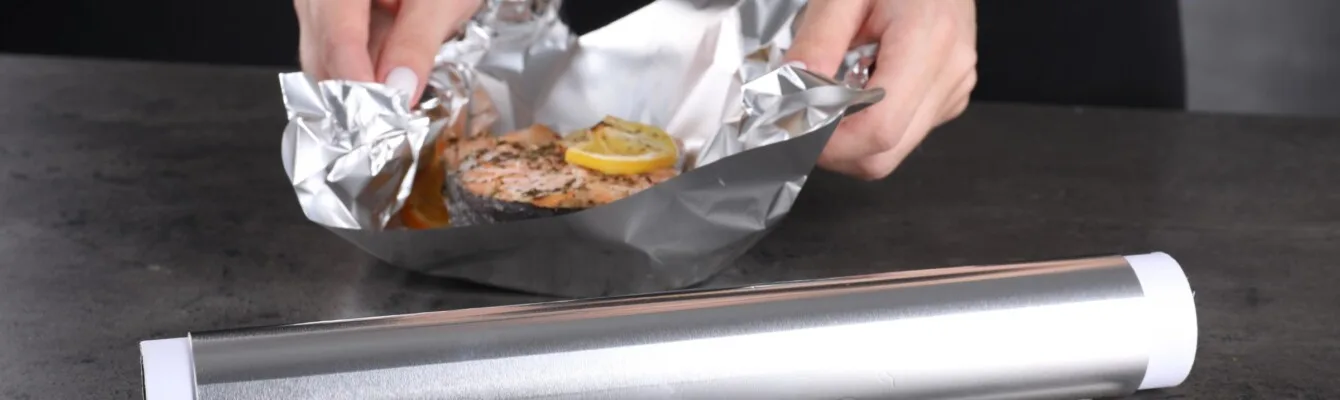





Aluminum foil is a versatile and practical material widely used in the kitchen for a variety of tasks. Its flexibility, heat resistance, and ability to preserve food make it an essential item in every kitchen.
Kitchen Uses
Here are some popular uses for aluminum foil in the kitchen:
- Wrapping leftovers to keep them fresh longer.
- Wrapping meat or vegetables before grilling to prevent them from sticking to the grill.
- Creating foil packets to cook fish, vegetables, or seafood, adding spices and herbs for optimal flavor.
- Protecting the edges of a pie to prevent them from burning during baking.
- Covering dishes to retain heat and prevent them from drying out.
Benefits of aluminum foil
Aluminum foil offers many benefits when used in the kitchen:
- Heat-resistant: It can be used for cooking, baking, and grilling food.
- High thermal conductivity: It allows for even heat distribution, ensuring food cooks evenly.
- Prevents food from drying out: Wrapping food in aluminum foil helps retain moisture, keeping it juicy.
- Ease of use: Aluminum foil is flexible and easy to handle. It can be cut to the desired size and folded to fit various shapes.
- Protection against odors: Wrapping food in aluminum foil prevents odors from spreading from one food item to another.
A mixed environmental impact
Positive Aspects
- Recyclability: Aluminum is a highly recyclable material, meaning it can be recycled multiple times without losing its properties. Recycling aluminum reduces the demand for virgin resources and saves energy.
- Waste reduction: Aluminum foil provides an excellent barrier against light, moisture, air, and odors. It can extend the shelf life of food, thereby reducing food waste.
Negative Aspects
- Energy-Intensive Production: The production of primary aluminum is energy-intensive and emits greenhouse gases. The extraction and processing of bauxite into aluminum require significant amounts of energy.
- Deforestation and Habitat: The mining of bauxite, the ore used to make aluminum, can lead to deforestation and habitat loss for local wildlife, with consequences for biodiversity.
- Waste and Pollution: Although recyclable, not all aluminum foil products are recycled effectively. When disposed of improperly, it can contribute to pollution and landfill clutter.
- Health Impact: Some reports suggest that excessive use of aluminum, particularly in the kitchen, may be linked to health issues. Although the evidence is still debated, this highlights the need for responsible use.
Our Selection
 chez
chez Longueur : 20 m.
Largeur : 29 cm
It’s up to you
In summary, aluminum foil is a versatile tool in the kitchen, offering numerous benefits for food storage and cooking. Its ease of use and ability to prevent dehydration make it a practical choice for both amateur and professional cooks.
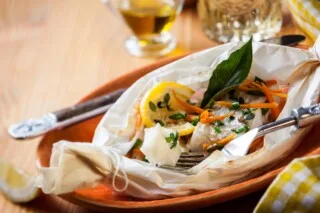
That said, it is essential to minimize its use to what is strictly necessary to reduce its environmental impact. It is wise to consider more sustainable alternatives, such as using parchment paper and reusable containers.
Pour aller plus loin, venez découvrir toutes les recettes qui utilisent le papier aluminium !







Follow us on social media