




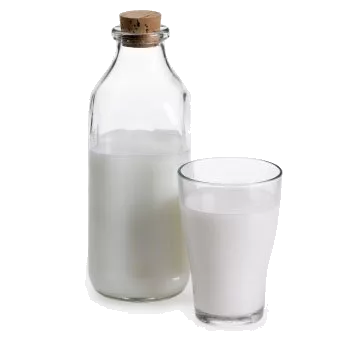
In many cultures around the world, whole milk is a key ingredient in cooking. Used for centuries, it adds richness and a creamy texture to many dishes and desserts. Whether for its taste, texture, or nutritional benefits, whole milk is a versatile ingredient prized by many chefs and home cooks.
Origins of Whole Milk
Whole milk comes from milking animals, primarily cows, but also goats and sheep. It is naturally rich in fat and essential nutrients such as calcium, protein, and vitamins. Milk production and preservation techniques have evolved over the centuries, making it more accessible and ensuring its safety.
Storage
Whole milk is primarily available in three different forms:
1) Pasteurized or UHT (ultra-high temperature) whole milk has undergone heat treatment at 135°C for a few seconds to eliminate all bacteria it may contain. This is obviously the type with the longest shelf life and can be stored at room temperature in its packaging.
2) Fresh milk is either pasteurized (75°C for 10 seconds) or microfiltered, which eliminates most bacteria. These techniques, particularly microfiltration, preserve the milk’s flavor, making it similar to that of raw milk. However, it must be refrigerated and has a shelf life of no more than a few days.
3) Raw milk, which has undergone no treatment, is rarely sold commercially, except through direct farm sales. It has the most pronounced and authentic flavor, but it must not be consumed as is, as this poses a health risk. It must first be boiled for at least 10 minutes before being used for drinking or cooking.
Nutritional Value and Benefits
Whole milk is an important source of calcium, which is necessary for strong, healthy bones. It is also rich in vitamins such as vitamin D, which aids in calcium absorption, as well as vitamins A and B. Additionally, it provides high-quality protein, which helps build and repair tissues. However, it should be noted that whole milk also contains fat, which means it should be consumed in moderation, in accordance with individual nutritional recommendations.
Seasonality and Availability of Whole Milk
Whole milk is generally available year-round due to continuous dairy production. However, there may be slight seasonal variations depending on various factors such as the animals’ lactation period or the availability of pasture. In certain regions, particularly those with more developed livestock farming, whole milk from specific breeds can also be found, offering unique flavors and characteristics.
Culinary Uses
Whole milk is a versatile ingredient in the kitchen. It can be used to prepare creamy sauces, soups, and desserts such as crème brûlée, flans, and puddings. It also adds a smooth, creamy texture to confectionery items like hot chocolate, ice cream, and milkshakes. Its properties also make it suitable for use in the production of cheese and yogurt.
Whether to add a subtle sweetness, a creamy texture, or for its nutritional benefits, whole milk is a valuable ingredient in the kitchen that adds a special touch to many dishes and desserts.
Pour aller plus loin, venez découvrir de délicieuses recettes concoctées par les gourmets du site, et qui utilisent le lait entier !








Follow us on social media