


Joyeux Gourmet

Cooking, Recipes and Good Vibes

April Spring
Recettes et plus...
Site Logo
  • Mon Joyeux Gourmet
    Pas encore
    membre ?
    Connexion
    Inscription
  • Recipes
    • Publish my recipe
    • The Cook's Calendar
    • From appetizers to dessert
    • For any occasion
    • Seasonal cuisine
    • Regional Cuisine of France
    • World Cuisines
    • Diets and Nutrition
    • Difficulty level
  • Cookbooks
    • Publish my book critic
    • All books
  • Articles
    • Publish my Post
    • News, Tips, and Tutorials
    • Seasonal ingredients
    • Practical Guides
      • Cooking Temperatures
      • Kitchen Tools and Appliances
      • Cooking Glossary
      • Ingredient Guide
  • Practical Guides
    • Cooking Times
    • Cooking Temperatures
    • Kitchen Tools and Appliances
    • Cooking Glossary
    • Ingredient Guide
  • Welcome
  • Coupons and promotions
  • Login
    • Pas encore membre ? Mot de passe oublié ?
April Spring
  • Skip to primary navigation
  • Skip to main content
  • Skip to primary sidebar
  • Skip to footer
Home » Les graines de cumin en cuisine : origines, diététique et préparation

Cumin Seeds in Cooking: Origins, Nutritional Value, and Preparation

Updated on 17 October 2023 by
Picture of joyeuxgourmetjoyeuxgourmet
Do you like this post ? Share it !
  • Share on Facebook
  • Share...
  • Pin It
  • Share by email

I like
Print
Cumin Seeds in Cooking: Origins, Nutritional Value, and Preparation

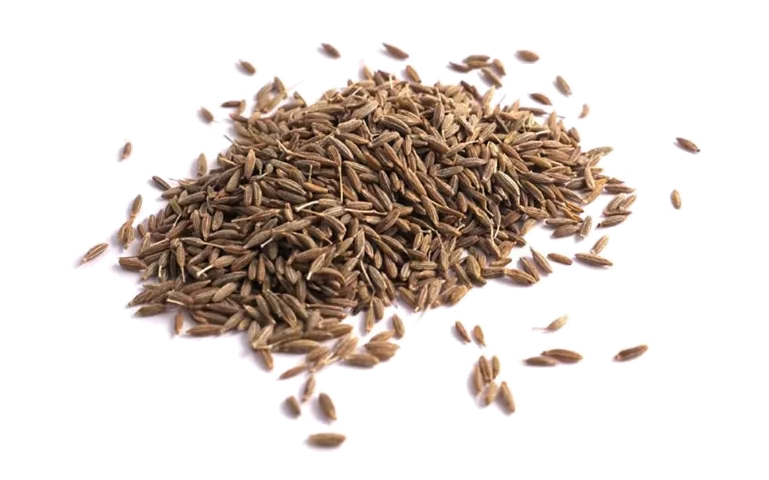
Cumin is an aromatic spice widely used in many cuisines around the world. Its dark brown, slightly curved seeds are known for their strong aroma and lingering flavor. Cumin adds a touch of exoticism and warmth to dishes and is often used in Indian, Mediterranean, Mexican, and North African cuisines.

Table des matières

Toggle
  • Origins and History
  • Nutritional Value
  • Season and Storage
  • Culinary Uses

Origins and History

Cumin seeds are native to the Mediterranean region and Western Asia. They have been cultivated for thousands of years and have been used both as a spice and as a medicinal plant. Cumin was highly prized by the ancient Egyptian, Greek, and Roman civilizations, and it remains an essential spice in many cultures today.

Nutritional Value

Cumin seeds are an excellent source of essential nutrients such as iron, copper, manganese, calcium, and vitamins A and C. They also contain antioxidants that are beneficial to health. Additionally, cumin has digestive properties and can help relieve digestive issues such as bloating and flatulence.

Season and Storage

Cumin seeds are available year-round and can be stored in an airtight container away from light, moisture, and heat to preserve their flavor. It is best to buy them whole and grind them just before use for a fresher flavor.

Culinary Uses

Cumin is used in a variety of dishes to add flavor and warmth. It is often used in curries, chili con carne, tagines, sauces, marinades, and meat dishes. Cumin seeds can be used whole to infuse dishes or ground for a more intense flavor. They can also be toasted to intensify their aroma before use.

In conclusion, cumin seeds are a versatile and nutritious spice that adds an exotic flavor to many dishes. Their rich history, health benefits, and use in various cuisines make them an essential ingredient for food lovers around the world.

Pour aller plus loin, venez découvrir de délicieuses recettes concoctées par les gourmets du site, et qui utilisent les graines de cumin !
Primary Sidebar

Nutritional Information

For 100g of cumin seeds:

  • Calories : 375.0 kcal
  • Proteins : 17.8 g
  • Lipids : 22.3 g
  • Saturated : 1.5 g
  • Carb : 44.2 g
  • Sugar : 2.2 g
  • Salt : 1.1 g

A few seasonal items…

It’s peak harvest or production season for these ingredients… so take this opportunity to discover all the recipes that showcase them!

  • Image de mushrooms
    mushrooms
  • Image de turnip
    turnip
  • Image de green asparagus
    green asparagus
  • Image de rhubarb
    rhubarb
  • Image de pear
    pear
  • Image de strawberries
    strawberries

All seasonal ingredients

You might also be interested in these articles...

  • Chavignol Crottins in the Kitchen: Origins, Nutritional Value, and Preparation

    Chavignol Crottins in the Kitchen: Origins, Nutritional Value, and Preparation

  • Cumin in Cooking: Origins, Nutritional Value, and Preparation

    Cumin in Cooking: Origins, Nutritional Value, and Preparation

  • Gorgonzola in the Kitchen: Origins, Nutritional Value, and Preparation

    Gorgonzola in the Kitchen: Origins, Nutritional Value, and Preparation

More ideas

Footer

Useful Links

  • Contact us
  • Legal Notice
  • Privacy Policy
  • Partners

Install the JGourmet app

QR code d'installation de l'appli Joyeux Gourmet sur Android Google Play

Follow us on social media

  • Suivez Joyeux Gourmet sur Facebook
  • Suivez Joyeux Gourmet sur Pinterest
  • Suivez Joyeux Gourmet sur Instagram
  • Suivez Joyeux Gourmet sur YouTube

All rights reserved©  2015–2026 · Joyeux Gourmet · Log in

Before submitting your article for publication, please make sure it complies with the règles de modération des publications.
Articles that do not meet the requirements will not be published.

Votre carnet de recettes vous attend

Votre carnet de recettes vous attend !

❤️
Sauvegardez vos coups de cœur
🛒
Liste de courses automatique
🔔
Nouvelles recettes en exclusivité
G
N
L
+
gigi, nonocuisine et plus de 0 autres ont déjà rejoint Joyeux Gourmet !
Créer mon compte gratuit Inscription en 1 minute
Déjà membre ?
Se connecter
Je veux en savoir plus sur Joyeux Gourmet