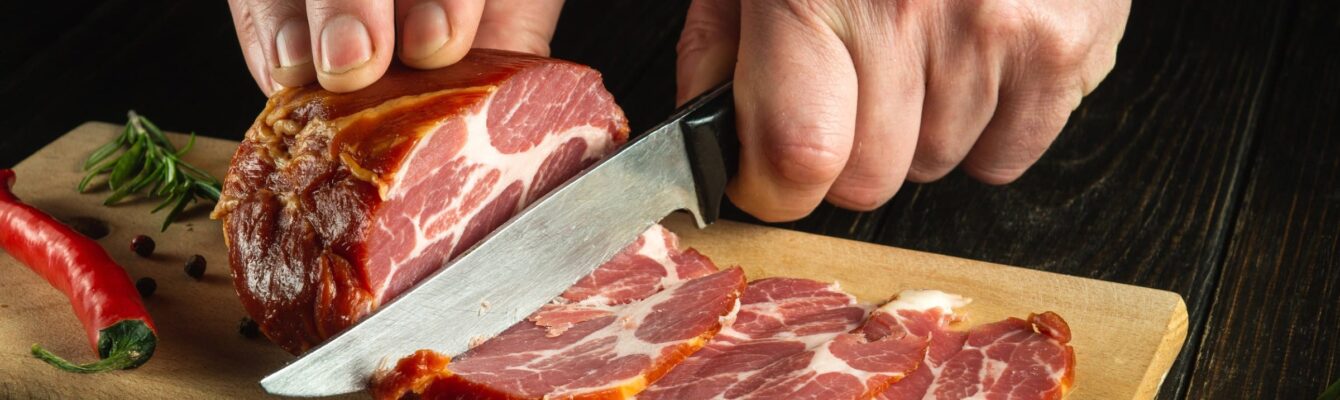





Small, handy, precise… the paring knife is undoubtedly the most widely used knife in the kitchen, far more often than you might think. It’s used in almost every preparation: peeling an apple, chopping herbs, carving vegetables or detailing a piece of meat. Yet not all paring knives are created equal, and choosing the right one can transform your kitchen experience.
In this comprehensive guide, discover how to choose the ideal paring knife, suited to your hand, use and cooking style.
🔪 What is a paring knife?
The office knife is a small multi-purpose knife, usually with a smooth, pointed blade of 8 to 12 cm. It’s the everyday companion, the one we spontaneously pull out for small precision jobs: peeling, slicing, dicing, pitting…
A kitchen essential
While the chef’s knife is king of cutting on a board, the paring knife is king of working in hand. Lightweight and short, it allows excellent control of fine gestures and great precision. It’s the preferred tool of cooks for fast, delicate tasks.
Essential criteria for choosing a paring knife
There’s more to choosing a paring knife than its appearance. Several elements influence its quality, durability and ease of use. Here are the key criteria to consider.
1. Blade size
The standard length of a paring knife is between 8 and 12 cm.
- A short blade (8-9 cm) is ideal for meticulous work: peeling vegetables, removing the eyes from a potato or chiseling garlic cloves.
- A slightly longer blade (10-12 cm) offers more amplitude for slicing fruit, cheese or small pieces of meat.
💡 Tip: if you often cook fruits and vegetables of various sizes, opt for a blade of around 10 cm, a good compromise between precision and versatility.
2. Weight and balance
A good paring knife must be light, but above all well-balanced. The balance between blade and handle determines the stability of the gesture.
A knife that’s too heavy tires the hand, while one that’s too light loses control.
👉 Hold it in your hand before you buy: it should naturally extend the movement of your wrist, without effort.
3. The type of steel
Blade quality depends mainly on the type of steel used. There are three main families:
– Stainless steel
This is the most common. Easy to care for, it resists corrosion and requires no special maintenance. On the other hand, it can lose its cutting edge a little faster than other alloys.
– Carbon steel
Very popular with professionals for its exceptional sharpness, it sharpens easily and offers a razor-sharp cut. On the downside, it rusts more easily and requires careful drying after each use.
– Composite or damascened steels
They often combine several layers of steel to combine performance and aesthetics. Japanese damas, for example, combine a very hard core (VG10, SG2, etc.) with decorative protective layers. The result: long-lasting sharpness and a sumptuous look.
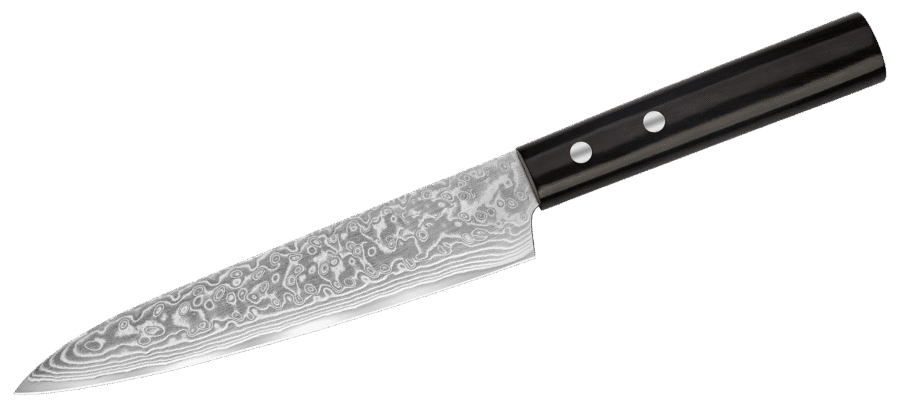
💡 Tip: if you’re looking for a paring knife for life, invest in a model made of Japanese VG10 or SG2 steel: fearsome cutting edge, great strength and reasonable maintenance.
4. The handle: ergonomics and material
The handle influences the comfort, safety and lifespan of the knife. Three materials dominate the market:
– The wooden handle
Natural, warm and aesthetically pleasing, wood offers an excellent grip. It does, however, require a little maintenance: avoid the dishwasher and dry it well after each use. Stabilized woods (impregnated with resin) are a good compromise between beauty and durability.
– The polymer handle (POM, ABS, etc.)
Solid and moisture-resistant, it’s not afraid of shocks or the dishwasher. More modern, it is often used in professional ranges.
– The stainless-steel handle
Very hygienic and stylish, it gives the knife a modern look, but can be a little slippery if your hands get wet.
👉 Try different shapes: some handles are rounded, others flat or octagonal (like Japanese models). The important thing is that it fits your hand perfectly.
5. Maintenance and sharpening
A well-maintained paring knife will last many years.
- Clean it immediately after use, especially if it has cut acidic foods (tomato, lemon, onion).
- Avoid the dishwasher, which dulls the blade and damages the handle.
- Wipe it down carefully to prevent corrosion.
- Sharpen the blade regularly with a whetstone or ceramic rifle: a well-sharpened knife is safer than a dull one!
🇫🇷 🇯🇵 Occident ou Japon : deux philosophies du couteau d’office
The choice between a Western knife and a Japanese knife depends on the way you cook.
🔹 Western paring knives
Often thicker and sturdier, they are designed for versatile use and withstand twisting well. Brands such as Wüsthof, Victorinox or Opinel offer excellent models with durable cutting edges.
🔹 Japanese paring knives
Often called petty knives, they are thinner, lighter and surgically precise. They cut smoothly, without forcing, but require more careful maintenance. Brands such as Global, Tojiro or Kai Shun are good values.
💡 If you like detailed cutting and refined cooking, go for a Japanese petty. If you prefer versatile, robust use, stick to a Western model.
What’s a utility knife really for?
The versatility of a paring knife is often underestimated. Yet the paring knife performs 80% of daily tasks in the kitchen.
Here are a few examples of uses:
- Peeling fruits or vegetables
- Dicing pieces of cheese or cold cuts
- Stalk strawberries or beans
- Cutting small pieces of meat or fish
- Fine-chopping herbs
- Make decorative cuts for your dish presentations
Its precision makes it the ally of fine and fast preparations. It fits in the hand like a pen, allowing you to work with great control.
Some recommended makes and models
To help you make your choice, here is a selection of safe values among the paring knives most appreciated by chefs and amateurs.
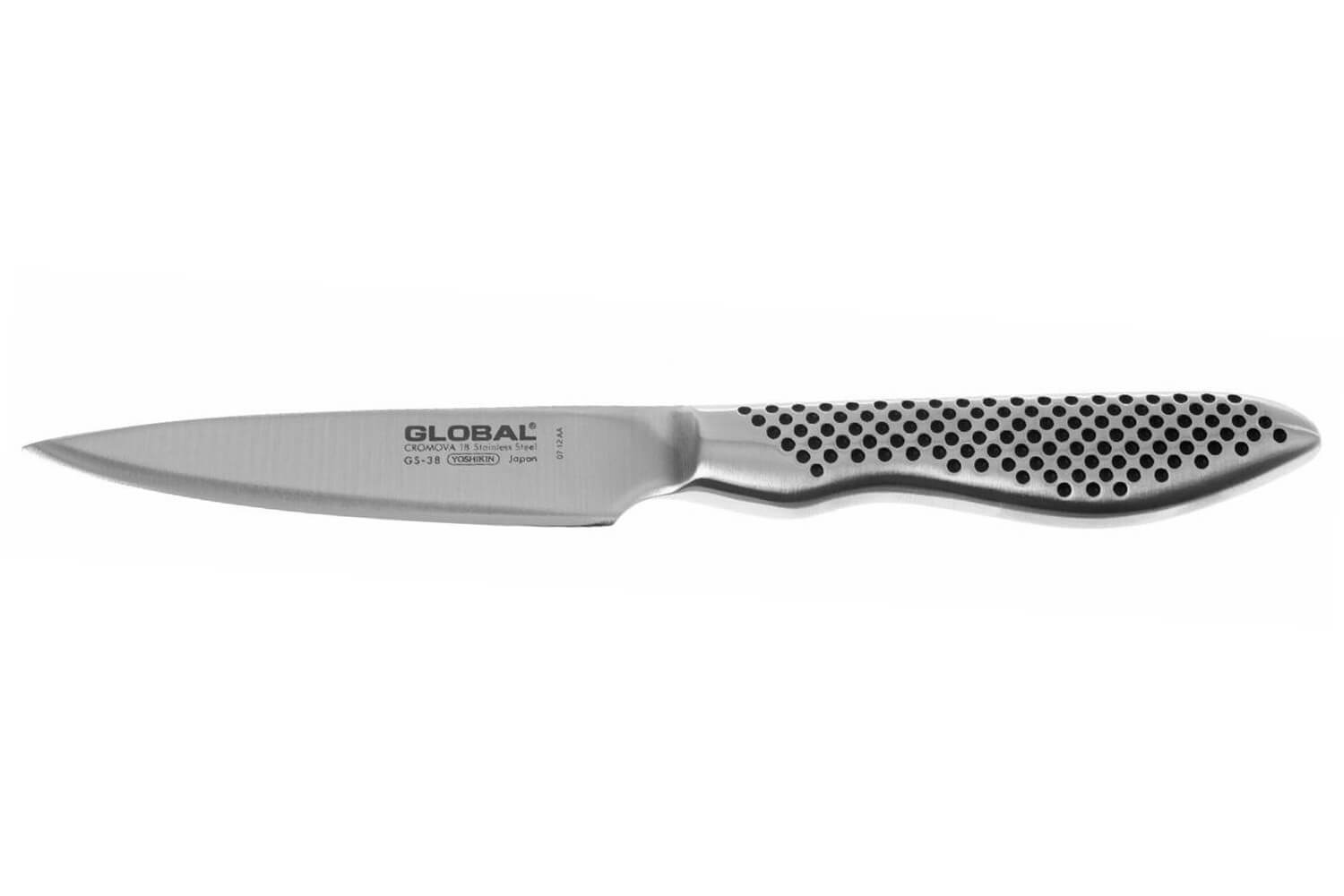 chez
chez Couteau japonais de haute qualité
Lame 9cm en acier inox trempé CROMOVA 18
Fabriqué à Seki au Japon - Design par Yoshikin✅On aime
Manche creux effilé : meilleure ergonomie + équilibre parfait
Couteau monobloc forgé d'une pièce d'acier chez
chez Fabriqué au Japon
Couteau forgé et superbe lame damassée
Couteau d'office haut de gamme pour professionnels ou amateurs exigeants✅On aime
Couteau Damas 32 Couches
Noyau Acier VG Max
Manche en Pakkawood chezMarque Suisse
Bon couteau polyvalent à petit prix
Lame 10 cm✅On aime
Manche antidérapant
Lame Inox chezFabrication Allemande depuis 1814
✅On aime
Très bon équilibre manche/lame
Couteau forgé
Lame acier de haute teneur en carbone
What price for a good paring knife?
Entry-level (€10-25): perfect for a first purchase or occasional use (Opinel, Victorinox).
Top-of-the-range (€100 and up): damascened steels, high-end ergonomic handles, artisanal finishes (Kai, Tojiro, Miyabi…).
Middle range (€40-80): better quality steel, superior balance (Wüsthof, Sabatier).
💬 Small piece of advice: better to invest once in a good knife than to change it every year. A well-maintained knife will last you decades.
In summary
| Criteria | To be preferred |
|---|---|
| Length | 8 to 12 cm depending on your habits |
| Steel | Inox or VG10 for good balance | Handle | Comfortable, fits your hand |
| Maintenance | Dishwasher to be avoided, regular sharpening |
| Western (sturdy) or Japanese (precise) depending on your preference |
❤️Le petit-couteau-qui-fait-la-difference
Don’t let its size fool you: the office knife is a true kitchen pillar. It combines maneuverability, precision and efficiency. Properly chosen, it becomes a natural extension of your hand, always ready to accompany you in your everyday preparations – from crunchy vegetables to juicy fruit.
Whether it’s French, German or Japanese, wood or steel, your ideal paring knife is the one that gives you the desire to cook every day. Take the time to choose it, maintain it, and you’ll be congratulating yourself on your purchase for a long time to come!












Leave a Reply