




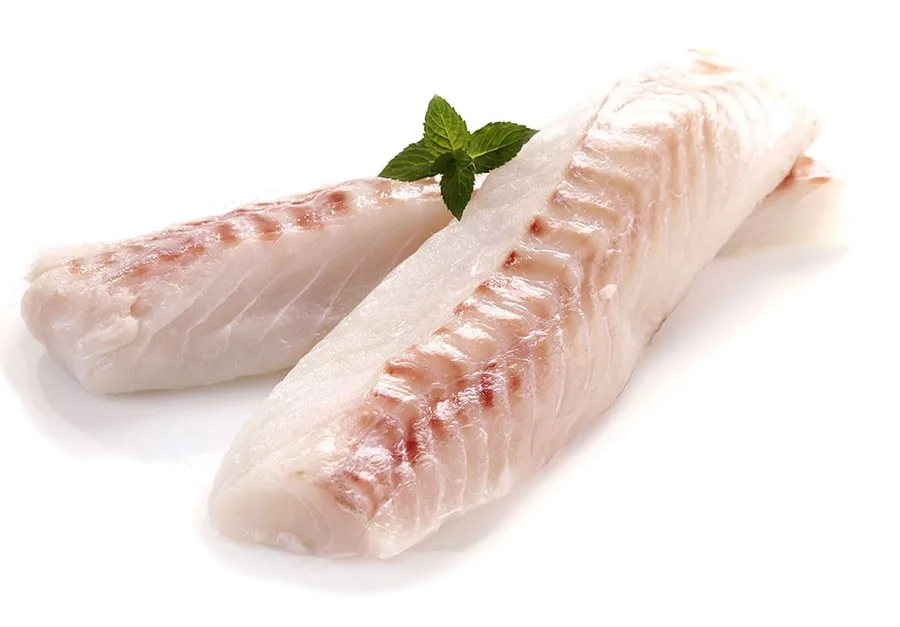
Cod fillets are a favorite among food lovers thanks to their delicate and flavorful flesh. In this article, we’ll explore the origins of this fish, its health benefits, the seasonal availability to keep in mind, and the various ways to prepare it in the kitchen.
Origins of cod fillet
Cod, also known as morue, is a fish found in the cold waters of the North Atlantic. It is primarily caught along the coasts of North America, Europe, and Asia. Over the centuries, cod has become an essential part of the cuisine in many cultures, particularly in coastal countries where it is abundant.
Nutritional Value and Health Benefits
Cod fillet is an excellent source of lean protein and is also a significant source of omega-3 fatty acids. These fatty acids are beneficial for heart health and help reduce inflammation in the body. Additionally, cod is rich in vitamin B12 and minerals such as phosphorus and potassium.
Seasonality of cod fillets
Cod is generally available year-round in markets, thanks to industrial fishing. However, it’s important to consider seasonality to prioritize the freshest and most locally sourced fish. In Europe, the ideal season for cod is between January and April.
Culinary Uses
Cod fillet is a very versatile fish that can be cooked in many ways. It can be grilled, poached, baked, or fried. Its delicate flesh pairs well with a wide variety of flavors such as citrus fruits, fresh herbs, and spices. Cod fillets are often used to prepare dishes such as stews, bouillabaisse, curries, or simply baked en papillote with vegetables.
With its tender flesh and subtle flavor, cod fillet is a must-have ingredient for fish lovers. Its diverse origins, health benefits, year-round availability, and versatility in the kitchen make it a tasty and nutritious choice.
Pour aller plus loin, venez découvrir de délicieuses recettes concoctées par les gourmets du site, et qui mettent le filet de cabillaud à l’honneur !






Follow us on social media