




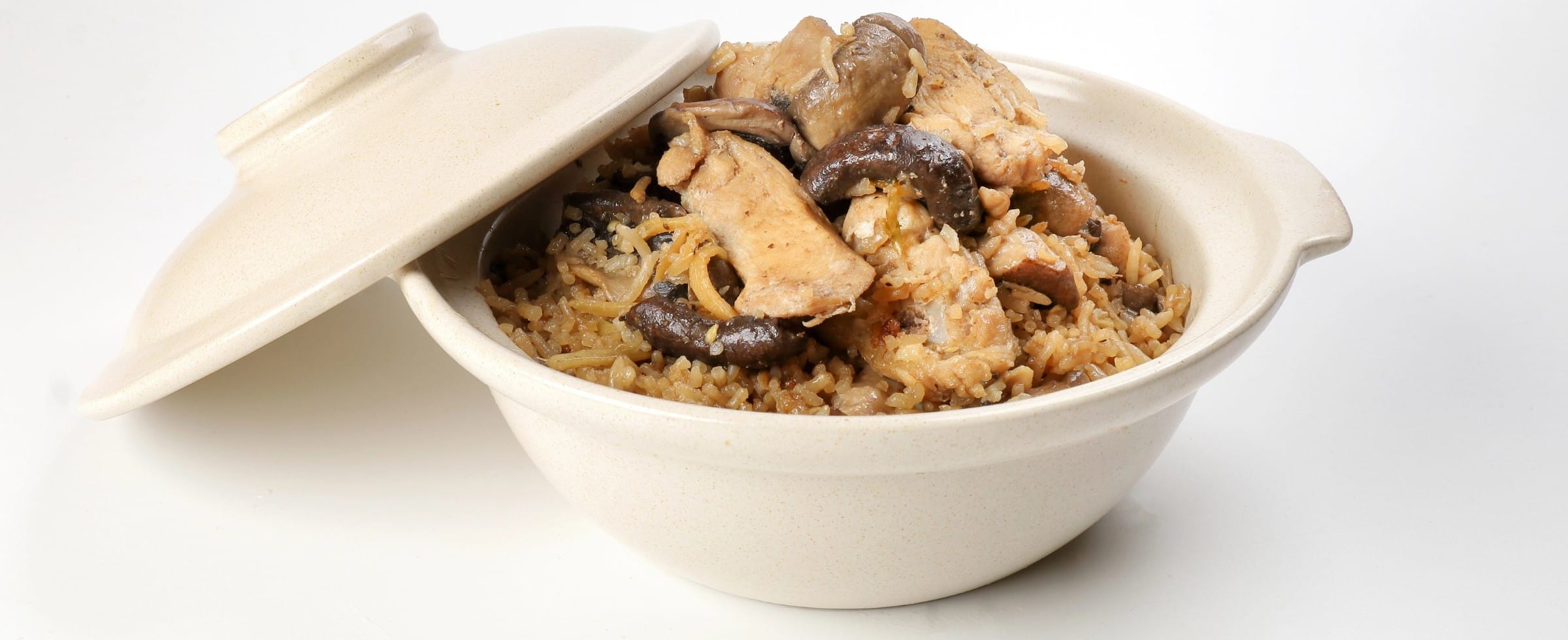
Cooking in a clay dish is an ancient culinary tradition dating back thousands of years. Even today, this cooking method remains highly popular due to its many benefits. In this article, we’ll explain what a clay dish is and why it’s used in cooking.
What is a terracotta dish?
A clay pot is a cooking utensil made, as its name suggests, from clay, a natural and porous material. It is usually glazed over its entire surface to make it easier to clean and more durable.
It usually comes in the form of a casserole dish, a tagine, or pottery. This material allows for gentle and even cooking of food, thereby preserving all its flavors and nutrients.
The origins of the terracotta dish
Terracotta dishes trace their origins to the earliest agricultural civilizations, where fired clay was already used to slowly cook food while retaining its moisture. Among the Romans, this practice reached a high level of mastery. They used ceramic vessels such as the olla or patina for simmering, stews, and oven-baked dishes. Terracotta withstands consistent temperatures, distributes heat evenly, and promotes gentle cooking. This technique enhances textures and concentrates flavors, while limiting the addition of fats. It is fully in line with Roman gastronomy, founded on patience and respect for ingredients.
The Römertopf, a terracotta dish of German origin directly inspired by Roman practices, continues this historical tradition. Its principle involves baking in the oven after soaking the container in water. The terracotta absorbs moisture and then gradually releases it as steam during cooking. This process ensures tender food, preserves nutrients, and prevents drying out. The Römertopf also stands out because it cooks without adding water or fat, making it a popular tool for healthy and flavorful cooking. It is particularly suitable for meats, poultry, fish, and vegetables, and carries on a millennia-old culinary tradition based on simplicity and efficiency.
Why use a terracotta dish in the kitchen?
- Preservation of flavors: Thanks to its porosity, earthenware absorbs excess moisture from food while retaining its aromas. Dishes cooked in an earthenware pot thus have a richer and more intense flavor.
- Gentle and even cooking: Earthenware distributes heat evenly, allowing for gentle and consistent cooking. Food is thus cooked uniformly, without the risk of burning or overcooking.
- Nutrient retention: Unlike other cooking materials, terracotta does not alter the nutritional composition of food. Vitamins and minerals are preserved, resulting in healthier and more balanced meals.
- Traditional presentation: Terracotta dishes add a touch of authenticity to the presentation of your recipes. Their unique shapes and natural colors bring a warm aesthetic to your table.
Tips for using a terracotta dish
– Before first use, it is recommended to soak the terracotta dish in water for a few hours to allow it to absorb moisture and strengthen.
– When cooking, it is best not to place the terracotta dish directly over a high flame. It is advisable to use a baking sheet or rack to prevent thermal shock.
– Before storing your terracotta dish, make sure it is completely dry to prevent mold growth.
Buying Guide
Various Shapes and Sizes
When it comes to styles, terracotta dishes come in a variety of shapes and sizes.
You’ll find traditional dishes, such as casseroles and tagine dishes, which are designed for slow cooking and braising.
Terracotta gratin dishes are perfect for flavorful gratins and oven cooking. Some models can be used directly on the stovetop, offering additional versatility.
Materials
When it comes to the material used, the quality of the earthenware can vary by model.
Glazed earthenware offers a smoother surface, making it easier to clean and preventing food from sticking.
Unglazed earthenware, on the other hand, can provide a more traditional cooking experience but sometimes requires a seasoning period to develop a protective patina.
Selection Criteria
Before making your purchase, consider a few criteria…
The size of the terracotta dish should match your needs in terms of the amount of food you plan to cook. Make sure the dish fits in your oven or on your stovetop.
Heat resistance is a crucial factor, especially if you plan to use the earthenware dish at high temperatures. Check the manufacturer’s instructions to ensure the dish can withstand the intended cooking conditions.
Ease of maintenance is also a factor to consider. Some earthenware dishes may require special care, such as avoiding harsh detergents or air-drying rather than using a dishwasher.
Our Selection
Below you will find a selection of various types of earthenware dishes.
 chez
chez
 chez
chez
An essential ally for successful oven cooking
The terracotta dish is a versatile and traditional kitchen tool. Using it helps preserve the flavors of your food, cook healthily, and create an attractive presentation for your meals.
Don’t hesitate to try a terracotta dish to discover new flavors!
Pour aller plus loin, venez découvrir toutes les recettes qui utilisent le plat en terre cuite !


Follow us on social media