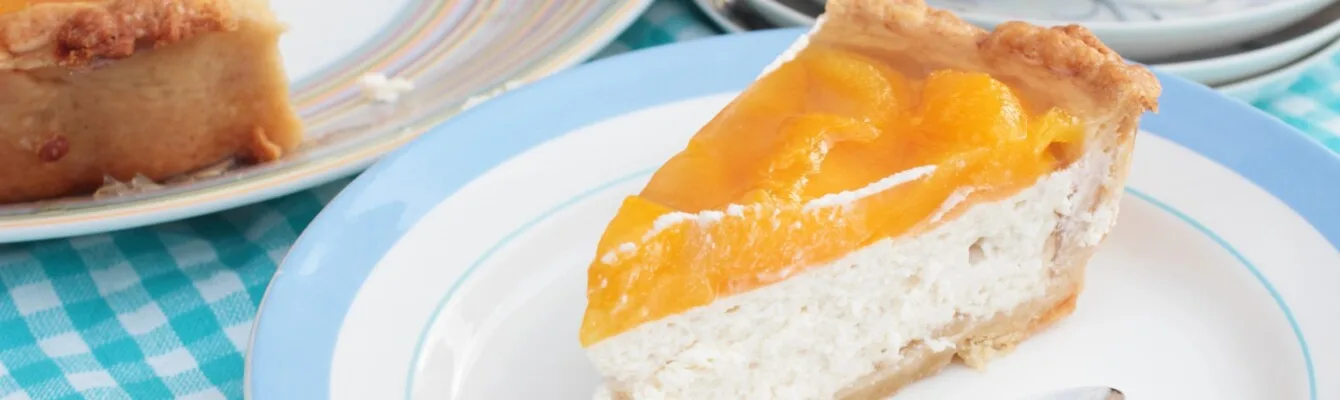





Agar-agar is often used as a gelling and thickening agent in traditional Asian cuisine and now also in contemporary Western cooking. It is an excellent vegan substitute for animal gelatin.
Agar-agar is nevertheless a rather tricky product to use, as it requires a dosingand implementation that are quite precise. In fact, you may already have had the unpleasant surprise of finding yourself with an almost liquid panna-cotta, when serving your guests 😕
Thanks to this guide dedicated to the use of agar-gar, we hope to save you this kind of disappointment in the future!
A seaweed with gelling power
Agar-agar is an extract of red algae, mainly species belonging to the genera Gelidium and Gracilaria. It is often used in Asian cuisines, particularly in Japan, where it has been known for hundreds of years. Agar-agar has subsequently been popularized in other parts of the world due to its many culinary qualities.
Agar-agar is low in calories and fat, making it an ingredient conducive to ahealthy diet. It’s also gluten-, lactose- and cholesterol-free, making it suitable for a wide variety of specific diets.
In addition, it is recognized for its probiotic properties, which promote intestinal health and help maintain a healthy digestive system.
Agar-agar is commonly used to gel preparations such as frozen, jellies, fruit pastes, mousses and creams. In savory preparations, it’s also used to thicken sauces, soupsand vinaigrettes.
Because of its gelatinous texture, it’s ideal for creating desserts, custards and puddings without using animal gelatin. So it’s a completely compatible ingredient for vegan cooking.
In another culinary register, agar-agar can be used to make spherification, a molecular cooking technique that creates jellied beads with liquid flavors inside.
Our selection
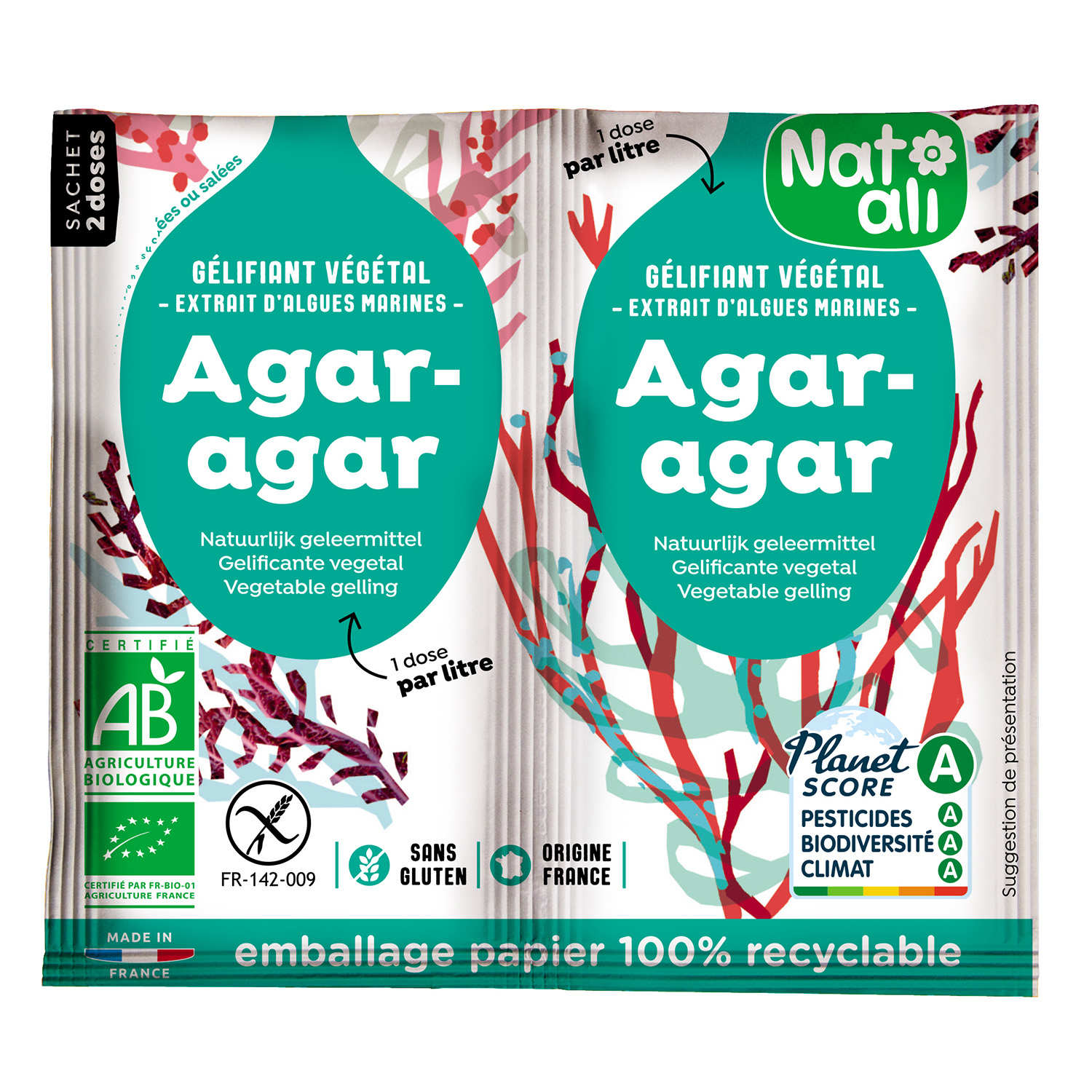
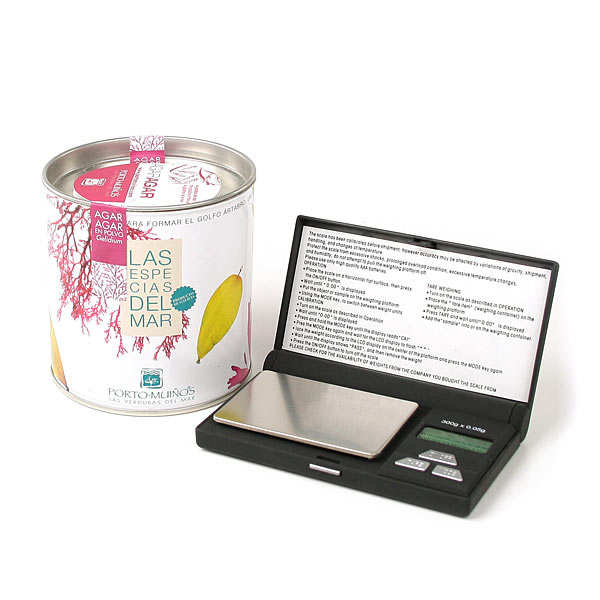
For optimum success in your preparations, you’ll need to choose a quality agar-agar. Here are a few references we’ve selected to guide you in your choice.
 chez
chez
 chez
chez
 chez
chez
All-precautions-to-take
Here are all the precautions to take to allow agar-agar to exert its gelling power in your preparations.
Once you’ve integrated these principles into your way of doing things, you’ll get far more repeatable results and avoid unpleasant surprises!
1. Precise dosage
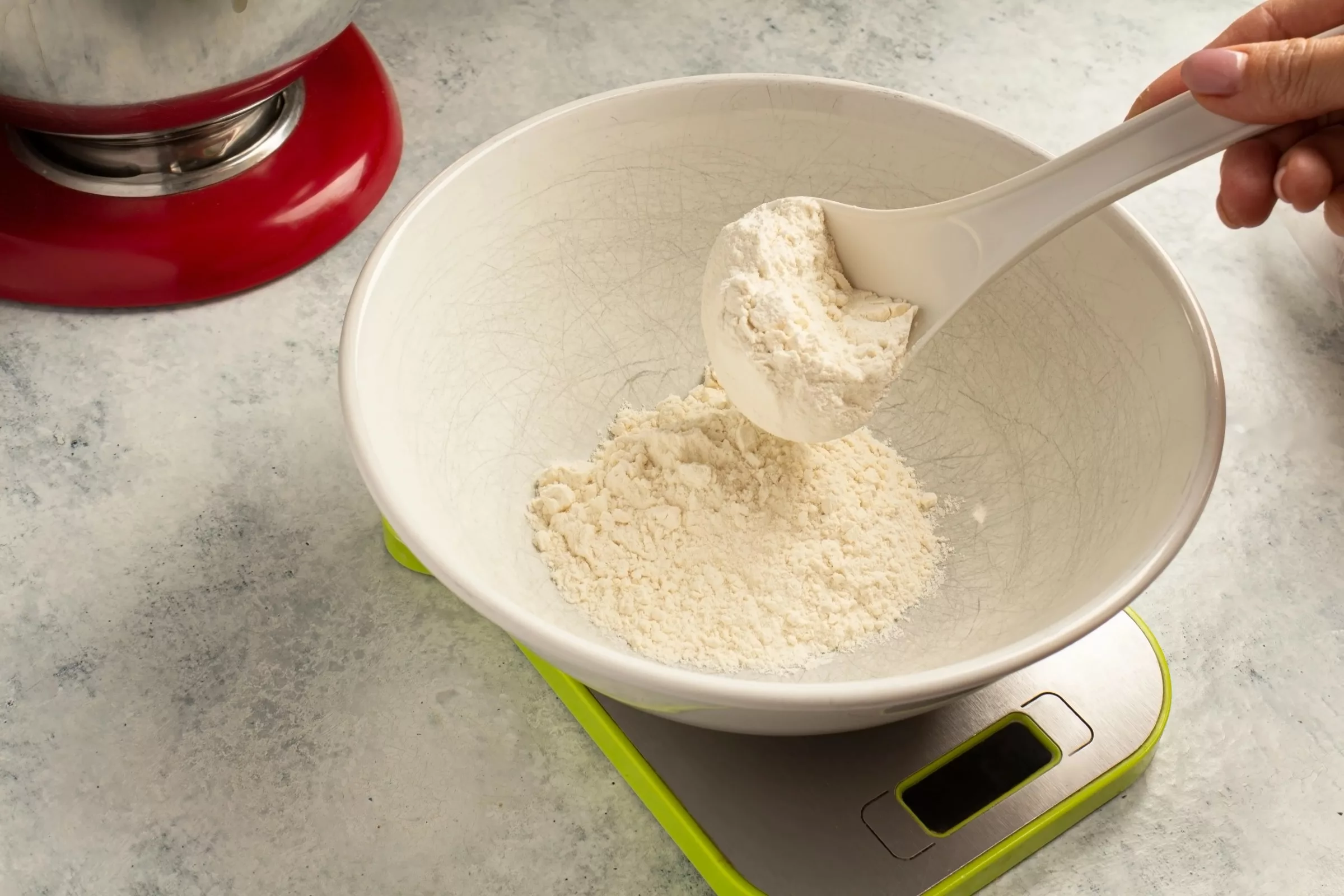
Aggar-agar sachets generally contain 4g of powder, which is enough to gelify 1 liter of liquid,
In case your preparation has a volume of less than one liter, use a scale to weigh the agar-agar accurately.
Beware, if you put in too much agar-agar, your preparation may be too firm. Conversely, if you underdose, the preparation may not set.
2. Dilute well before use
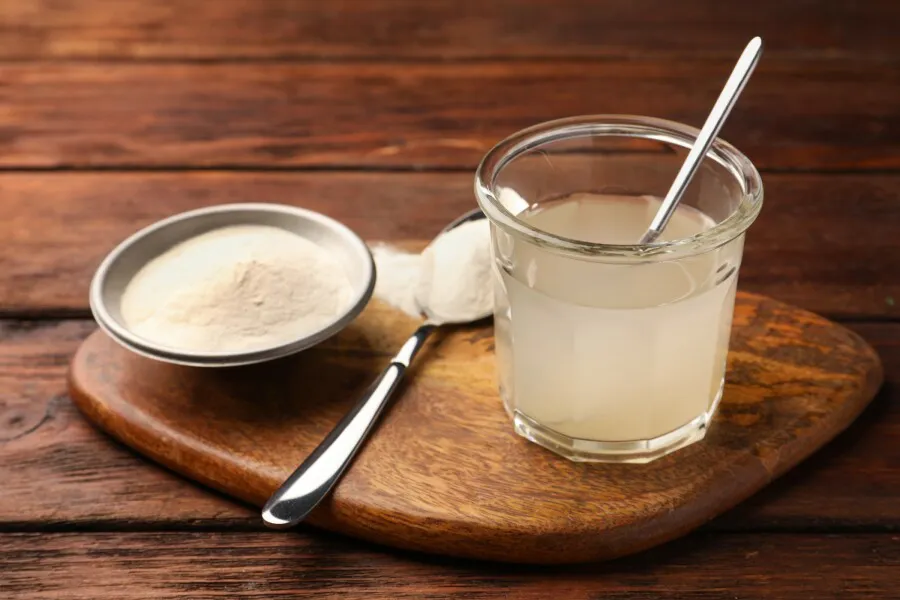
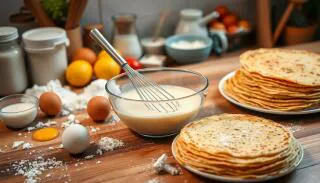
Agar-agar must be dissolved in a cold liquid before heating. So mix it carefully to avoid lumps.
If possible, use a whisk for better incorporation.
3. Always bring to a boil
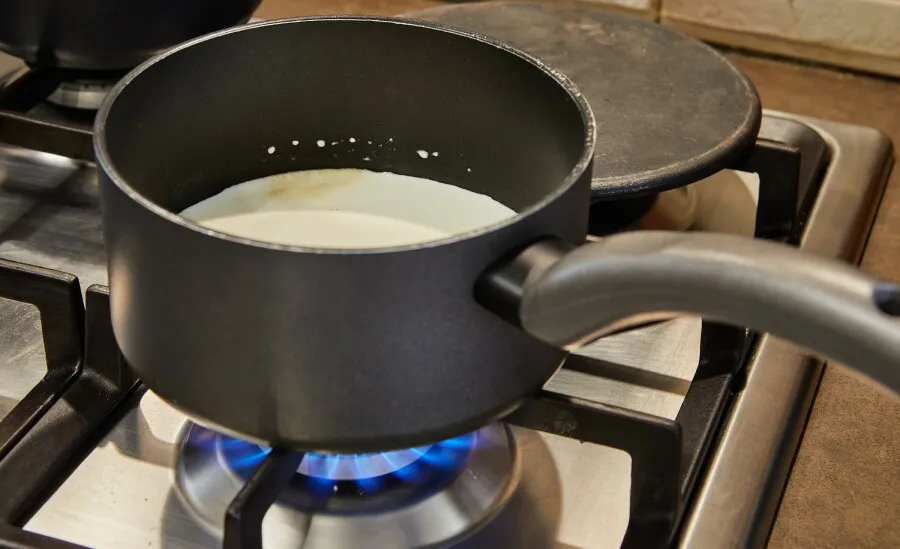
Once you’ve added the agar-agar to your preparation, bring the mixture to boiling. This step is essential to activate its gelling power.
Then keep boiling for about 1 to 2 minutes while stirring.
4. Working fast
After boiling, pour the mixture into the mold or final container before it starts to gel. Don’t dawdle, as this can happen quickly at room temperature.
5. Beware of acidic ingredients
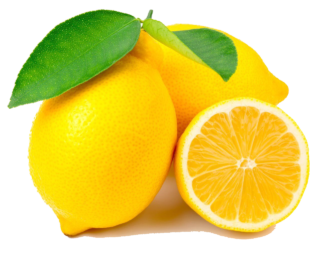
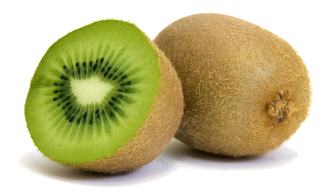
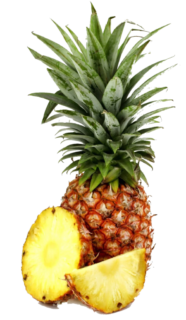
Acidic ingredients (such as lemon, vinegar or certain fruits like pineapple or raw kiwi) can reduce the effectiveness of agar-agar. If you use these ingredients:
- Slightly increase the dosage.
- Heat fruit or use cooked versions to neutralize their effect on gelling.
6. Cool quickly
To save your fridge from cooling hot preparations, and speed up the setting of agar-agar jelly, you can use the following two techniques:
- Once your preparation has boiled for the time recommended above, transfer it several times between two containers to bring its temperature down quickly,
- Pour a bottom of cold water into your sink, adding a cold pack or ice cubes for added effectiveness. Once you’ve filled your verrines or ramekins with the mixture, place them in cold water for a quarter of an hour.
Current preparations
Here are a few examples of preparations that commonly make use of agar-agar. For each of them, you’ll find instructions on how to use agar-agar to obtain the expected result.
Jellies and jams
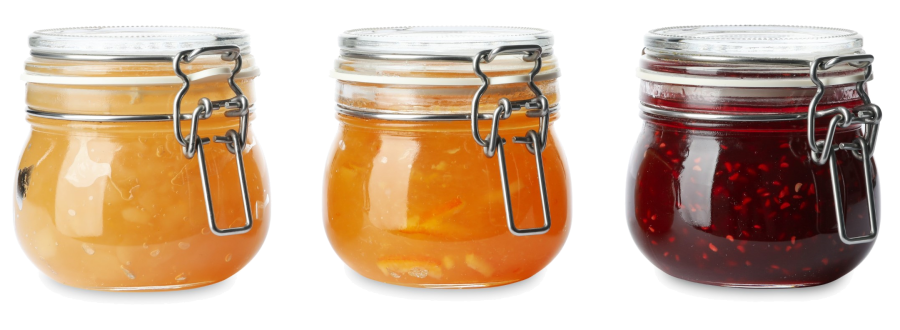
Add the agar-agar at the end of cooking after bringing it to the boil.
Creams-and-foams

Mix the agar-agar with the base liquid (milk, cream) before adding the other ingredients.
Pannacotta ou flans

Pour immediately after boiling into molds and let cool to perfect texture.
Conservation
Agar-agar preparations remain stable at room temperature (no need for immediate refrigeration). However, they are best stored in a cool place to prevent them from drying out.
Your turn to play!
With these tips, you’ll achieve perfect textures in your agar-agar preparations, whether desserts, appetizers or even savory dishes 😋
Pour aller plus loin, venez découvrir de délicieuses recettes concoctées par les gourmets du site, et qui utilisent l'agar-agar !

Follow us on social media