




Introduction
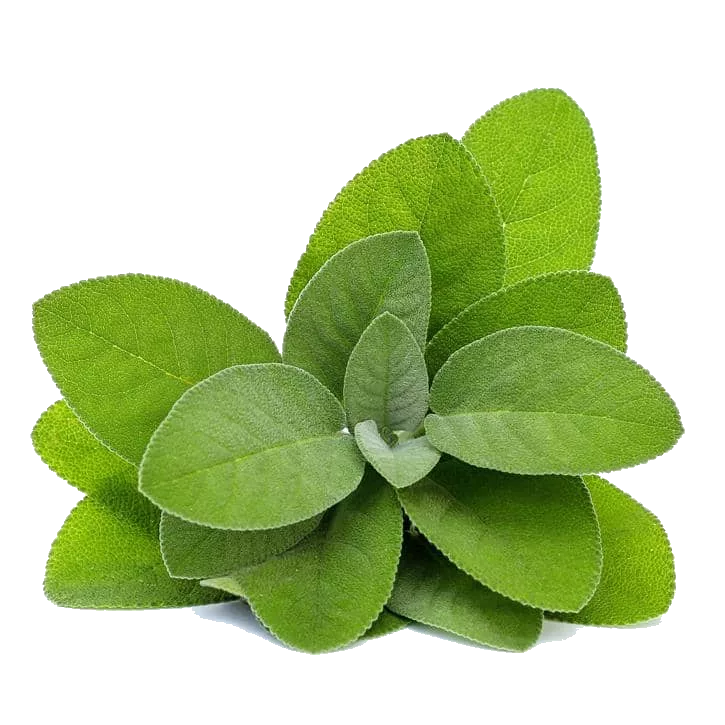
Sage, also known by its scientific name Salvia officinalis, is a popular aromatic herb that has been used in cooking for centuries. It has a distinctive flavor and offers a wealth of health benefits. In this presentation, we will explore the origins of sage, its health benefits, its seasonality, storage methods, and culinary uses.
Origins
Sage is native to the Mediterranean and certain regions of southern Europe. It has been renowned for its use in traditional medicine since ancient times. Today, it is cultivated in many parts of the world, including North America and Australia.
Nutritional Value
Sage is a nutrient-rich herb. It is an excellent source of vitamin K, which plays an important role in blood clotting and bone health. Additionally, it contains antioxidant compounds such as rosmarinic acid, which has demonstrated anti-inflammatory and antimicrobial effects.
Season and Availability
Sage is a perennial herb that can be grown year-round in some regions. It is generally available in grocery stores throughout the year, either fresh or dried. However, fresh sage is often more aromatic and flavorful.
Storage
To store fresh sage, it is recommended to wash the leaves, dry them thoroughly, and place them in a perforated plastic bag, then store them in the refrigerator. It can be kept this way for about a week. If you have large quantities of sage, you can also chop the leaves and freeze them.
To store dried sage, simply place it in an airtight container, away from light and moisture. It can be stored this way for several months without losing its flavor or properties.
Culinary Uses
Sage is often used to flavor meat and poultry dishes. It pairs particularly well with lamb, pork, sausages, and turkey. Its leaves can be used whole or finely chopped for added flavor. Dried sage is often used in herb and spice blends, sauces, marinades, and stuffings.
In addition to its traditional use in savory dishes, sage can also be used to flavor hot beverages such as infusions and herbal teas. Its unique taste adds a touch of originality to these drinks.
In conclusion, sage is a versatile and flavorful herb that offers a multitude of culinary applications. Whether fresh or dried, it can transform an ordinary dish into a culinary masterpiece. Don’t hesitate to experiment with this aromatic herb and discover new flavors in your kitchen.
Pour aller plus loin, venez découvrir de délicieuses recettes concoctées par les gourmets du site, et qui utilisent la sauge !










Follow us on social media