





Sesame: a small seed with great culinary qualities!
The origins of sesame
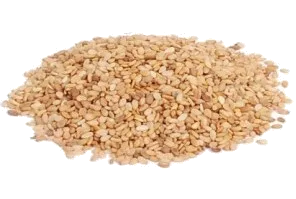
Sesame is a plant native to Africa and Asia that has been cultivated for thousands of years. This small seed is highly prized in many countries, particularly in Southeast Asia, West Africa, and the Middle East.
The nutritional benefits of sesame
Sesame is a particularly nutritious food. It is rich in plant-based protein, essential fatty acids, fiber, and minerals such as calcium, iron, and magnesium. In addition to its nutritional benefits, sesame is also a source of antioxidants that are beneficial to health.
Sesame Season
Sesame is a plant grown mainly in tropical and subtropical regions. It can grow year-round in these favorable climates. However, it is generally harvested in the summer or fall.
Culinary Uses of Sesame
Sesame is used in many cuisines around the world. Its seeds can be eaten raw, toasted, or in the form of oil. They are often used as a condiment to sprinkle over dishes or to flavor sauces and salad dressings. Sesame is also a key ingredient in the preparation of sesame paste (tahini) and sesame butter (tahini).
In cooking, sesame offers a delicious nutty flavor and a crunchy texture. It can be used in salads, soups, marinades, stir-fries, as well as in desserts such as cookies or energy bars.
In conclusion, sesame is a versatile seed that provides both nutritional benefits and a unique flavor to many dishes. Don’t hesitate to incorporate it into your cooking to enjoy it to the fullest!
Pour aller plus loin, venez découvrir de délicieuses recettes concoctées par les gourmets du site, et qui utilisent le sésame !








Follow us on social media