




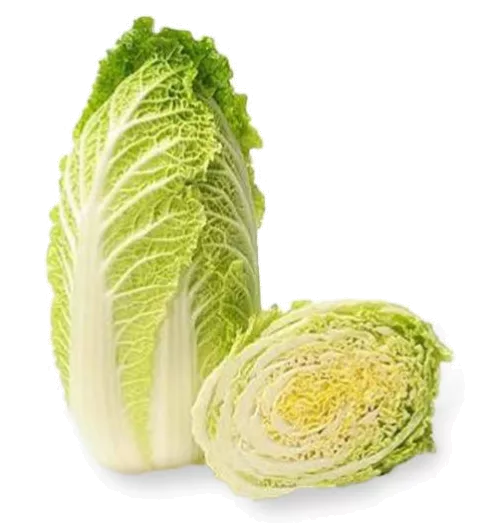
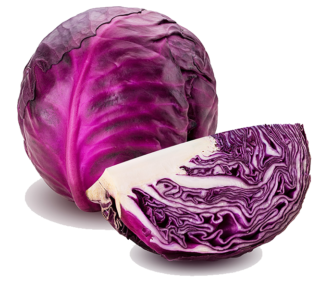
Chinese cabbage, also known as bok choy or pak choi, is a leafy vegetable native to East Asia. Its mild and delicate flavor makes it incredibly versatile in the kitchen. Whether you’re a home cook or a professional chef, Chinese cabbage will add an exotic and nutritious touch to your dishes. Let’s explore together the origins, nutritional value, seasonality, and culinary uses of this vegetable.
Origins
Chinese cabbage was first cultivated in China over 6,000 years ago. Since then, it has become an essential ingredient in Chinese cuisine. It is now grown worldwide and is valued for its many health benefits.
Nutritional Value
Chinese cabbage is very rich in essential vitamins and minerals such as vitamin C, potassium, and calcium. It is also low in calories and fat, making it a perfect choice for health-conscious individuals or those looking to lose weight. Additionally, it is a significant source of dietary fiber, which promotes healthy digestion.
Season
Chinese cabbage is generally available year-round, but its peak season is between fall and spring. It’s best to choose Chinese cabbages that are firm, with crisp leaves and a bright color. Avoid those with wilted leaves or brown spots.
Culinary Uses
Chinese cabbage offers great versatility in the kitchen. It can be eaten raw in salads to add a touch of freshness or used as a main ingredient in stir-fries, soups, or stews. Its leaves and stems can be used separately to provide different textures and flavors. Its mild taste pairs particularly well with garlic, ginger, soy sauce, and tender meats.
In conclusion, Chinese cabbage is a delicious, healthy vegetable that’s easy to incorporate into a wide variety of recipes. Whether you’re a novice or an expert in the kitchen, don’t hesitate to experiment with this exotic vegetable to add an Asian touch to your dishes and enjoy its health benefits.
Pour aller plus loin, venez découvrir de délicieuses recettes concoctées par les gourmets du site, et qui mettent le chou chinois à l’honneur !


Follow us on social media