




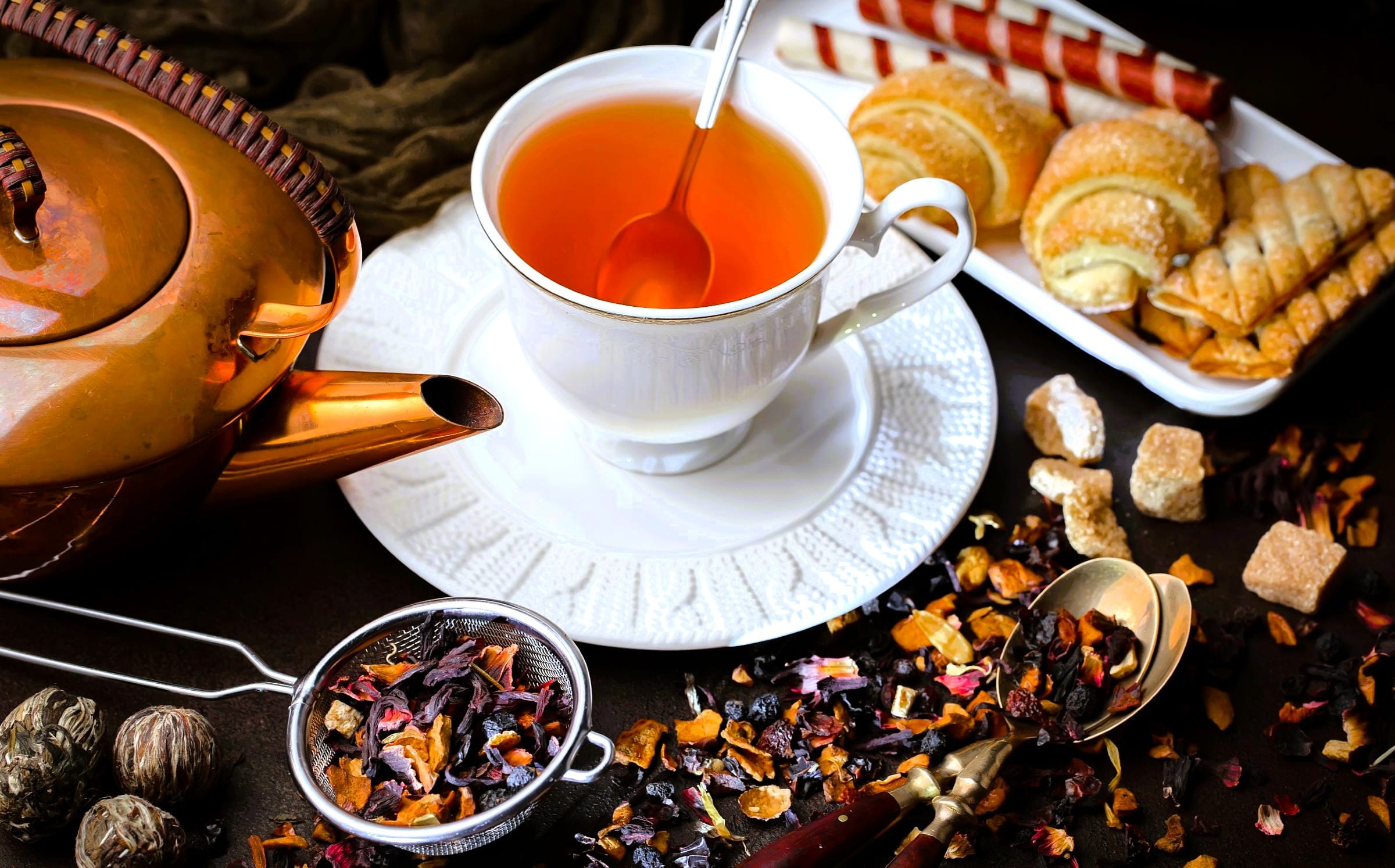
For thousands of years, tea has been a part of life for people all over the world, from Asia to Africa and Europe. While drinking it as an infusion remains the most common way to enjoy tea, it is now making its way into the kitchen, adding its delicate aromas and health benefits to many recipes.
This ingredient, both humble and refined, crosses borders to enrich savory dishes, desserts, and beverages, while carrying with it the imprint of the cultures that use it.
Today, food enthusiasts can easily explore this richness thanks to loose-leaf organic tea, which allows you to enjoy high-quality whole leaves, ideal for brewing or cooking, while respecting both the environment and the product.
Tea in Chinese and Japanese Cuisine
In China, tea is more than a beverage; it is a way of life and a symbol of sharing. But it is also found in the kitchen, particularly in the famous smoked tea duck (Zhangcha Ya), where tea leaves are burned to smoke the meat, giving it a woody and slightly bitter flavor. In some regions, hard-boiled eggs are also cooked for a long time in a mixture of black tea and spices, creating tea-marbled eggs with a subtle aroma.
In Japan, matcha—a green powder made from finely ground tea leaves—adds flavor to pastries, soba, and even fish sauces, with its intense vegetal taste and vibrant color. Matcha pairs particularly well with desserts, adding a slight bitterness that balances the sugar in ice cream, cookies, or mochi. It is also incorporated into breads and brioches, offering an appetizing green hue and a unique visual signature.
Chai Spices in Indian Cuisine
In India, tea is first and foremost synonymous with chai, that spiced black tea infused with ginger, cardamom, pepper, and milk, which is enjoyed at any time of day in bustling alleyways or at home. This comforting beverage also inspires pastries and desserts: chai-flavored cheesecakes, panna cotta, or cookies infused with chai spices bring a warm, spicy note to modern tables while evoking traditional flavors.
Fresh Flavors of Mint Tea in the Maghreb
In the Maghreb countries, mint tea is inseparable from moments of togetherness. This sweet and refreshing beverage can also inspire both savory and sweet dishes: as a marinade for lamb skewers, as a syrup to soak Middle Eastern cakes, or as a sorbet for a light and fragrant finish to a meal. Mint tea can also be used to poach fruits such as pears or apricots, imparting a subtle minty freshness.
Tea in Contemporary European Gastronomy
In Europe, tea has long been associated with afternoon tea, but today it is gaining a prominent place in contemporary gastronomy. Chefs use it to infuse broths, cook fish, or prepare light sauces. A smoked tea like Lapsang Souchong becomes a valuable ally for flavoring risottos, velvety soups, or white meats, while delicate green teas can be used to poach fruit or infuse custards. Pastry chefs also use tea to flavor ganaches or creams, adding an elegant aromatic depth.
An ingredient that invites exploration and creativity
As we explore tea’s place in world cuisine, we discover that this simple ingredient allows us to journey through culinary traditions while opening the door to creativity. It can transform a classic recipe by adding subtlety and depth, or elevate a dessert by giving it a refined signature. Whether green, black, white, or smoked, tea is much more than a beverage: it is an inexhaustible source of inspiration in our kitchens, inviting us to discover and share, cup after cup, plate after plate, while celebrating the universality of this humble botanical treasure.










Leave a Reply