




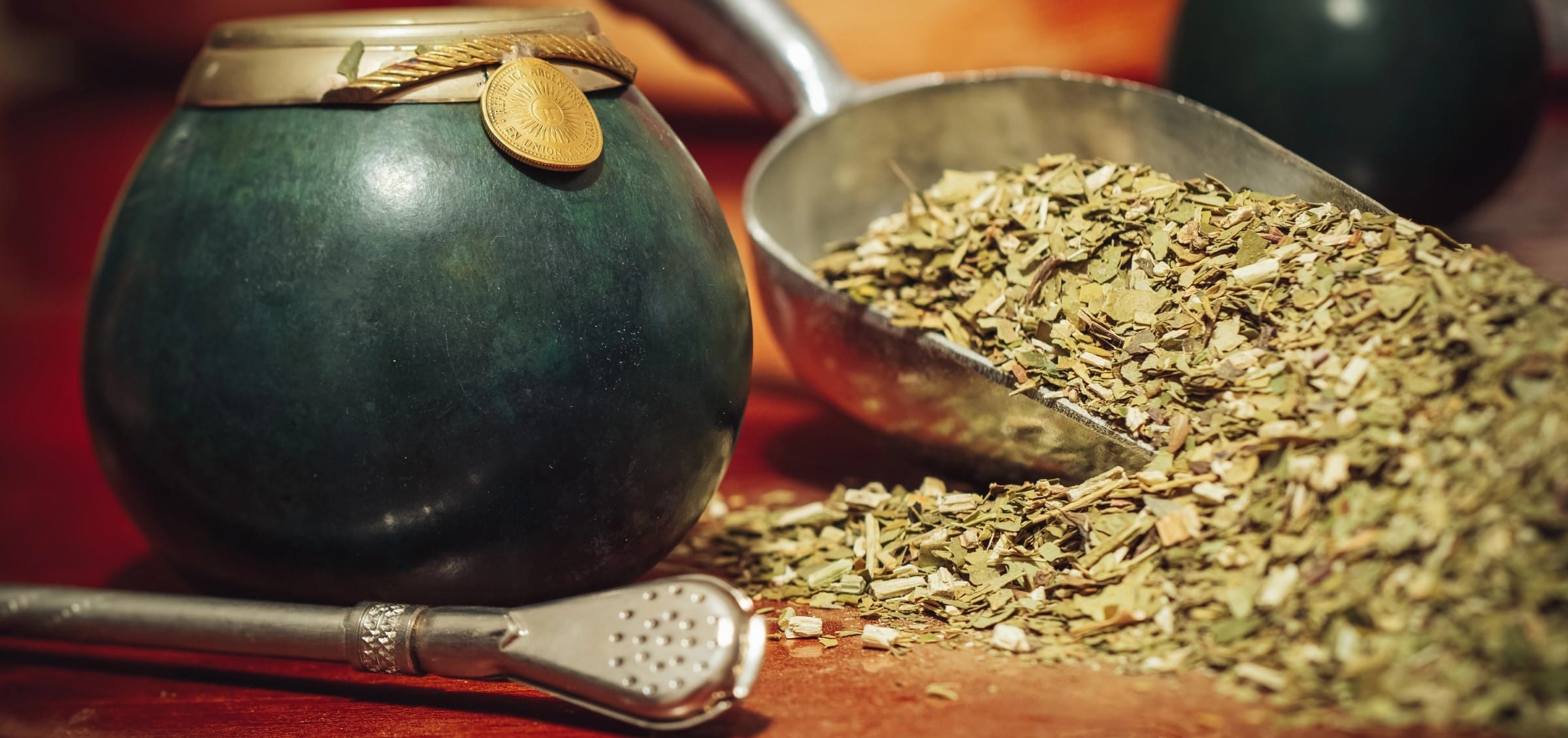
Mate, a traditional South American herbal tea, is winning over more and more people looking for an alternative to coffee or traditional tea. Rich in caffeine, antioxidants, and nutrients, it is touted as a beverage that can boost energy, aid digestion, and improve concentration. But are these claims true? Here’s a closer look at mate tea and its supposed benefits, to help you determine whether its virtues are myth or reality.
What is mate?
Mate is an infusion made from the leaves of Ilex paraguariensis, a tree native to the subtropical regions of South America, particularly Brazil, Argentina, Paraguay, and Uruguay. Drunk from a gourd with a bombilla (a strainer-tube), mate is much more than just a beverage in these cultures: it is a symbol of conviviality and sharing.
Its slightly bitter, herbal flavor is reminiscent of green tea, yet it has a unique character of its own. Mate can be enjoyed hot or cold (tereré) and has now become part of Western customs, where it is often sold loose or in tea bags, sometimes blended with aromatic herbs to soften its taste.
Mate, a natural energy boost
One of mate’s main attractions is its ability to provide a boost of energy, while often being better tolerated than coffee. Although it contains caffeine (also called mateine in this context), mate releases it more gradually thanks to the presence of other plant compounds such as theobromine and polyphenols, which moderate its effects. As a result, it can boost alertness and concentration without causing the sudden “spike” followed by a crash that is sometimes felt after drinking coffee, nor the palpitations or irritability that coffee can induce in some sensitive individuals. This is why many consumers choose mate as a gentler alternative to stay alert and focused throughout the day.
Many enthusiasts report feeling increased alertness and improved concentration after drinking mate, making it a popular beverage among students, knowledge workers, and athletes who want to stay alert without feeling overly jittery.
Interesting digestive benefits
In addition to its stimulating effects, mate is traditionally used to aid digestion. Due to its bitterness, it is believed to promote bile production, helping to digest fats, and is said to possess mild diuretic properties, contributing to the elimination of toxins. Some studies have also suggested that mate may have a positive effect on lipid metabolism, reducing LDL cholesterol levels in certain individuals.
These digestive effects remain moderate, however: mate can complement a balanced lifestyle, but will never replace a varied, fiber-rich diet for optimal digestion.
A Concentrate of Antioxidants
Mate contains polyphenols, theobromine, and vitamins (B1, B2, C) that contribute to its antioxidant properties. These compounds help combat oxidative stress, which is implicated in cellular aging and many chronic diseases.
Compared to green tea, mate offers a significant amount of antioxidants, but it is important to vary your sources of antioxidants in your diet by also consuming fruits, vegetables, nuts, and seeds.
Precautions and Contraindications
Despite its many benefits, mate is not without precautions. Due to its caffeine content, it is not recommended for people sensitive to caffeine, pregnant or breastfeeding women without medical advice, or people with uncontrolled high blood pressure.
Myth or reality?
Energy, digestion, concentration: mate does indeed offer real benefits, supported by its natural composition rich in caffeine and antioxidants. However, it is not a miracle drink: its effects are influenced by the quality of the infusion, the frequency of consumption, and the user’s overall lifestyle.
Enjoyed in moderation, mate stands out as an appealing alternative to coffee, while inviting you to discover a convivial ritual from South America. A valuable ally for energizing your daily life while taking care of yourself, without succumbing to unrealistic promises.











Leave a Reply