




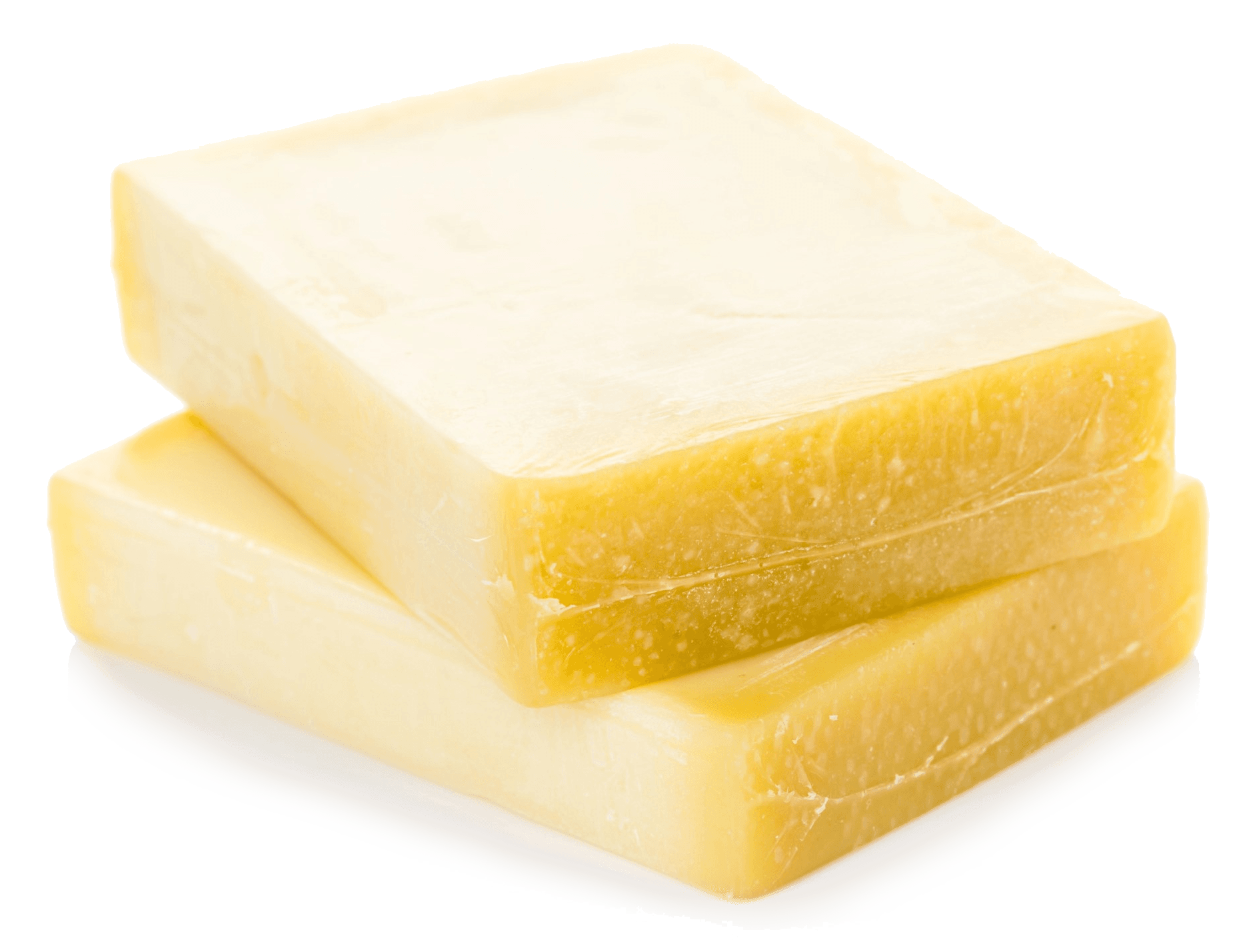
Gruyère, a flavorful and versatile cheese, is a kitchen staple. Whether for its robust flavor, its melt-in-your-mouth texture, or its unique culinary properties, Gruyère lends itself to a wide variety of dishes. Let’s explore the origins of this cheese, its health benefits, its seasonal availability, and the different ways to prepare it in the kitchen.
Origins of Gruyère
Gruyère takes its name from the Gruyère region in Switzerland, where it has been traditionally made for centuries. This hard, cooked cheese is made from a blend of raw cow’s milk sourced from cows fed primarily on grass and hay, giving Gruyère its characteristic flavor.
Nutritional Value of Gruyère
Gruyère offers numerous nutritional benefits. Rich in protein, it is also an excellent source of calcium and vitamins, particularly vitamin B12. However, due to its fat content, it should be consumed in moderation, adhering to daily calorie intake recommendations.
Seasonality of Gruyère
Gruyère is a cheese that can be enjoyed year-round, with no specific season. It is available in supermarket aisles or at cheese shops, ready to be enjoyed at any time of the year.
Culinary Uses
Gruyère is a versatile ingredient that can be used in many ways in the kitchen. Its strong flavor and excellent melting qualities make it an ideal choice for topping dishes such as vegetable gratins or croque-monsieurs. It can also be used to add flavor to sauces, salads, or savory tarts. Grated Gruyère is also a perfect accompaniment to pasta, soups, or quiches.
In conclusion, Gruyère is an essential cheese in the kitchen, thanks to its traditional origins, nutritional value, year-round availability, and wide range of culinary uses. So, let yourself be charmed by this cheese with its unique flavor and prepare delicious recipes that highlight the delicate aroma of Gruyère.
Pour aller plus loin, venez découvrir de délicieuses recettes concoctées par les gourmets du site, et qui utilisent le gruyère !










Follow us on social media