




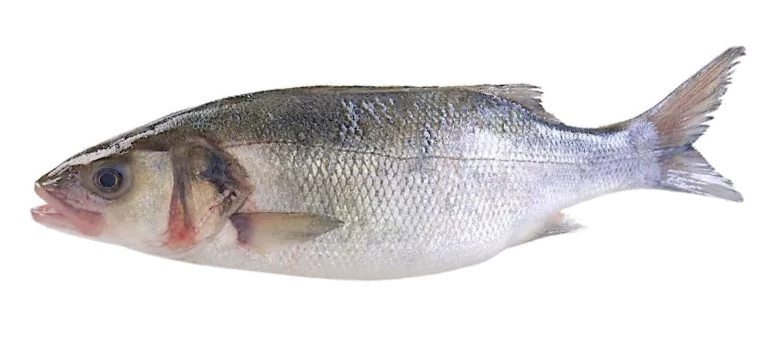
The flounder, also known as the sole, is a flatfish belonging to the Pleuronectidae family. It is a delicate and flavorful fish that offers numerous nutritional benefits. In this article, we will explore the origins of the flounder, its nutritional qualities, the season when it is most abundant, and the various ways to prepare it.
Origins of the flounder
The flounder is found primarily in the coastal waters of the northeastern Atlantic, from Norway to the Morea via the North Sea. It is also present in the Mediterranean and the Black Sea. This flatfish prefers sandy and gravelly bottoms, where it hides by camouflaging itself with its flat body.
Nutritional Benefits
Flounder is a low-calorie food, with only 70 calories per 100 grams. It is rich in high-quality protein, which is essential for tissue growth and repair. Additionally, it contains significant amounts of vitamins B12, B6, and E, as well as minerals such as zinc and selenium.
Flounder Season
Flounder is available year-round, though its peak season runs from May through September. During this period, it is more plentiful and fresher, ensuring optimal quality when prepared.
Culinary Uses
Flounder is a very versatile fish in the kitchen. It can be prepared in many ways, whether steamed, pan-fried, grilled, deep-fried, or baked en papillote. Its delicate flavor pairs well with a variety of flavors and spices, making it an ideal ingredient for many dishes. It can be served on its own, with vegetables, in soups, or in creamy sauces.
In conclusion, flounder is a delicious, healthy, and easy-to-cook flatfish. Whether you’re a seafood lover or someone looking to diversify your diet, flounder is worth exploring and enjoying.
Pour aller plus loin, venez découvrir de délicieuses recettes concoctées par les gourmets du site, et qui mettent le carrelet à l’honneur !









Follow us on social media