




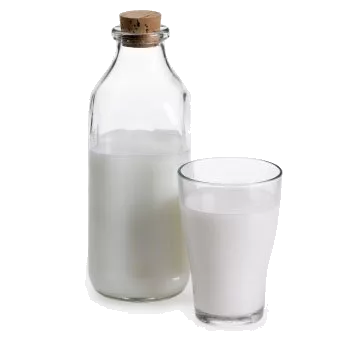
Buttermilk is a widely used ingredient in cooking, particularly in Breton cuisine. It adds a touch of originality to recipes while offering health benefits. Let’s explore the origins of this product, its nutritional value, its uses in cooking, and the best seasons to enjoy it.
Origins of buttermilk
Ribot milk, also known as fermented milk, is a Breton specialty dating back several centuries. It was traditionally made from raw, unskimmed cow’s milk, fermented through the action of beneficial microorganisms. Today, it is produced industrially but retains its authentic character.
Nutritional Benefits
Ribot milk is known for its high content of probiotics, the beneficial bacteria that contribute to the health of our gut flora. It also contains vitamins, minerals, and essential amino acids, making it a beneficial ingredient for our bodies.
Culinary Uses
Buttermilk offers many culinary possibilities. It can be used as a base for baking recipes such as cakes, crepes, waffles, or pancakes. Thanks to its slightly acidic texture, it helps create light and moist batters. It can also be used to marinate meat or vegetables, making them more tender and flavorful.
Seasonality
Buttermilk can be enjoyed year-round, but it is particularly popular during hot weather. Its refreshing texture and tangy flavor make it an ideal thirst-quenching drink in the summer. It can also be used in summer recipes, such as cold soups or salads.
In conclusion, buttermilk is a versatile ingredient in the kitchen, offering unique flavors, health benefits, and a wide variety of culinary uses. Whether used in sweet or savory recipes, it adds an original touch to your dishes and delights the taste buds of food lovers.
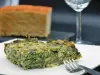
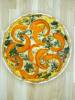
Pour aller plus loin, venez découvrir de délicieuses recettes concoctées par les gourmets du site, et qui utilisent le lait ribot !




Follow us on social media