




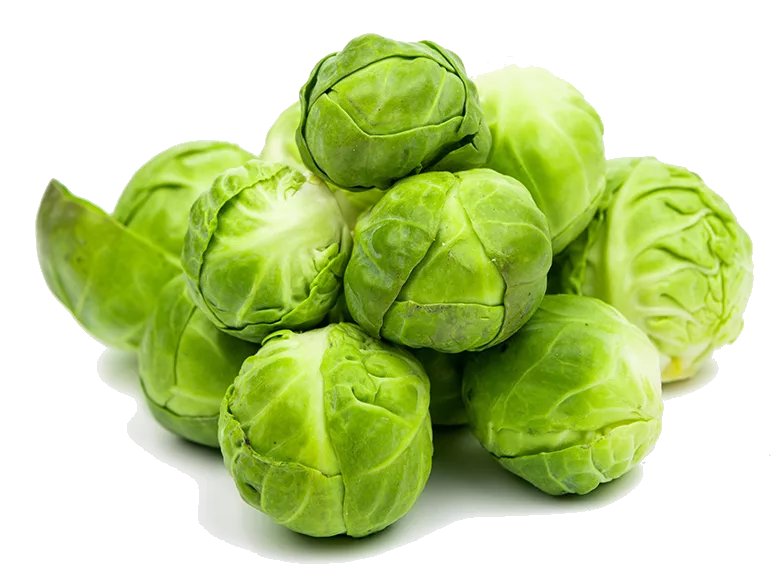
Brussels sprouts are a delicious and versatile winter vegetable that can be used in a variety of ways in the kitchen. Native to Belgium, this miniature cabbage is a member of the cruciferous family, just like broccoli and cauliflower. It is often overlooked or ignored, but it truly deserves to be rediscovered for its nutritional benefits and unique flavor.
Origins
Brussels sprouts take their name from the city of Brussels in Belgium, where they were first cultivated in the 13th century. Although they originated in this region, they are now found all over the world. They grow primarily in cool climates and are often harvested after the first frosts, which gives them a better flavor.
Nutritional Value
Brussels sprouts are a nutrient-rich superfood. They are an excellent source of vitamins C and K, as well as fiber, folate, manganese, and potassium. They are also rich in antioxidants, which help fight free radicals and strengthen the immune system.
Season
The Brussels sprout season generally runs from September to March, making it a popular winter vegetable. It’s best to choose them when they’re still firm and a bright, vibrant green. Avoid sprouts that look wilted or have yellow leaves.
Culinary Uses
Brussels sprouts can be used in various ways in the kitchen. You can boil, roast, grill, or even sauté them. Their mild, slightly bitter flavor pairs well with other ingredients such as bacon, nuts, honey, or citrus fruits.
A delicious idea is to roast them in the oven with olive oil, salt, and pepper until they’re crispy. You can also add them to soups, stir-fries, or pasta dishes to add a touch of color and extra flavor.
Whether you’re a vegetable lover or simply curious to try them, Brussels sprouts are a healthy and tasty choice to add variety to your diet.
Pour aller plus loin, venez découvrir de délicieuses recettes concoctées par les gourmets du site, et qui mettent le chou de bruxelles à l’honneur !







Follow us on social media