




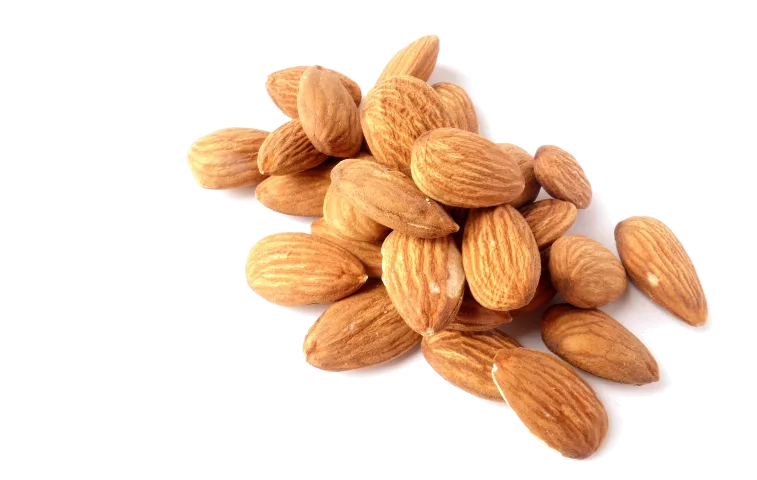
Almonds are a versatile and delicious ingredient widely used in cooking. Whether in savory or sweet dishes, almonds add a crunchy texture and a mild, delicate flavor. In this guide, discover everything you need to know about using almonds in cooking.
Origins of Almonds
Almonds are the fruit of the almond tree, a tree native to Central Asia and the Middle East. They have been cultivated for thousands of years and are prized for their taste and nutritional benefits. Today, the main regions producing almonds are California, Spain, Italy, and Australia.
Nutritional Value of Almonds
Almonds are rich in nutrients essential for our health. In particular, they are an excellent source of vitamins E, B2, and B3, as well as magnesium, iron, and calcium. Additionally, they are one of the best sources of unsaturated fats, known for their beneficial effects on the cardiovascular system. Almonds are also a good source of fiber and plant-based protein.
Almond Season
Almond season varies by region, but generally falls between September and November. During this period, almonds are harvested and sold fresh. Outside of this period, dried or toasted almonds are available, offering a convenient alternative for year-round use.
Culinary Uses
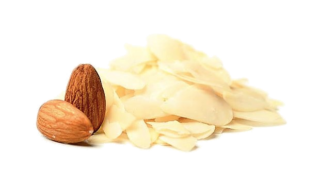
Almonds offer many possibilities in the kitchen. They can be used whole, blanched, sliced, ground into powder, or as almond milk. They can be added to salads, meat or fish dishes, pastries, cookies, smoothies, and much more. Almonds can be used as a main ingredient or simply to add a touch of crunch to a dish.
In conclusion, almonds are an essential ingredient in the kitchen thanks to their delicious taste, crunchy texture, and numerous health benefits. So don’t hesitate to use them in your recipes to elevate your dishes and delight your taste buds!
Pour aller plus loin, venez découvrir de délicieuses recettes concoctées par les gourmets du site, et qui mettent les amandes à l’honneur !







Follow us on social media