




The world of gastronomy is constantly evolving, and chefs are always on the lookout for innovative techniques to elevate dishes and delight the palate. Glazing in the kitchen is emerging as a refined technique that combines aesthetic appeal with culinary excellence. In this article, we will explore the fundamentals of glazing, its various applications, and its impact on culinary creation.
The Fundamentals of Glazing
Definition and Origins
Glazing, which originated in Asian culinary traditions, involves applying a glossy, flavorful coating to food. This technique relies on the use of a glaze, often made from soy sauce, honey, sugar, and sometimes vinegar. The Chinese origins of glazing date back thousands of years, but the technique has spread across the globe, enriched by the creative interpretations of chefs worldwide.
The Glazing Process
The glazing process consists of several meticulous steps. First, the ingredients are prepared and cooked according to the recipe’s specifications. Next, the glaze is prepared, often by mixing sweet, salty, and acidic ingredients to achieve a perfect balance. The food is then delicately brushed with the glaze several times during cooking, creating a glossy and appetizing coating.
Applications of Glazing in Cooking
Aesthetics and Presentation
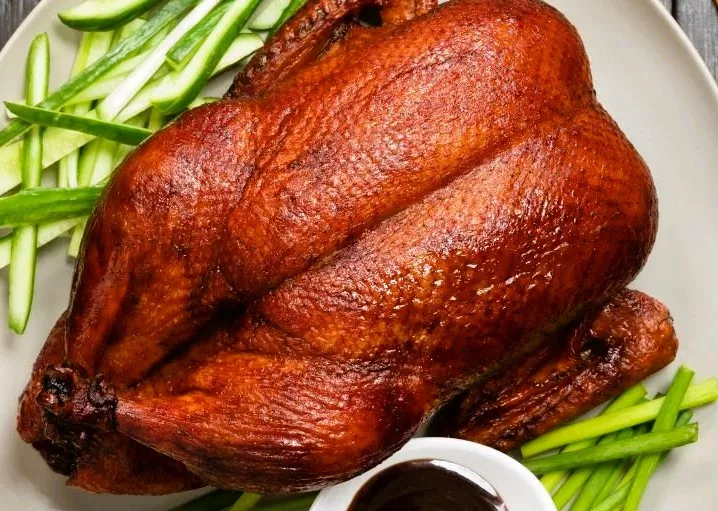
Glazing transcends simple food preparation by giving dishes a remarkable aesthetic appeal. Glazed dishes captivate diners visually with their characteristic shine, creating a memorable culinary experience. The shades of glaze, ranging from golden to deep caramel, add an artistic touch to the plates.
Flavor Intensification
Beyond the visual aspect, glazing plays a crucial role in accentuating flavors. The caramelized glaze offers a unique combination of sweet and savory, enhancing the flavor profiles of dishes. Additionally, the glazing process seals the juices inside the food, preserving them and intensifying their taste.
Examples of Glazed Dishes
Orange-Glazed Duck
Orange-glazed duck is a classic dish reimagined with a glaze made from honey, soy sauce, and orange zest. The glaze’s glossy sheen pairs perfectly with the tender duck meat, creating a symphony of sweet and savory flavors.
Miso-Glazed Salmon
For a contemporary Asian twist, miso-glazed salmon combines the rich umami of miso with the delicacy of salmon. The caramelized glaze creates a subtly sweet crust, enhancing the melt-in-your-mouth texture of the fish.
Honey and Mustard Glazed Chicken
A perfect marriage of the sweetness of honey, the tang of mustard, and the tenderness of chicken. The caramelized glaze creates a golden, flavorful layer on the chicken skin.
Korean-Style Glazed Pork
Inspired by Korean cuisine, this dish combines tender pork with a spicy glaze made from gochujang (Korean chili paste), soy sauce, and sugar. The result is a perfect balance of sweet, salty, and spicy flavors.
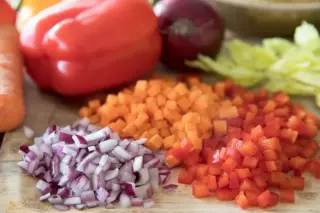
Balsamic-Glazed Vegetables
A delicious vegetarian option where vegetables such as carrots, bell peppers, and onions are glazed with a balsamic reduction. The glaze adds a tangy and sweet note, enhancing the vegetables’ natural flavor.
Miso-glazed eggplant
A refined vegan alternative, where eggplant slices are glazed with a sweet miso sauce. The glaze creates a crispy crust while preserving the eggplant’s tender texture.
Lime and Basil Glazed Shrimp
A fusion of Asian and Mediterranean flavors, where shrimp are glazed with a combination of lime juice, soy sauce, and fresh basil. The glaze adds a zesty citrus freshness to every bite.
Glazing: A Culinary Art
In conclusion, glazing in the kitchen transcends simple preparation techniques to become an artistic and gustatory expression. Its subtle blend of aesthetics and intense flavors makes it a technique prized by chefs around the world. Whether to elevate classic dishes or create new culinary experiences, glazing offers infinite potential in the world of haute cuisine. Savvy chefs will know how to incorporate this technique into their repertoire to continue delighting even the most discerning palates.




Leave a Reply