




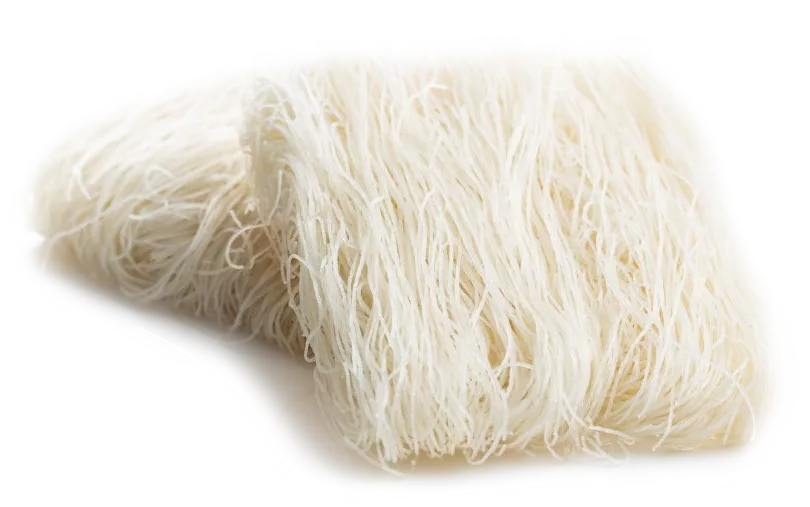
Kadaïf pastry is a versatile and delicious ingredient used in many cuisines around the world. It can add an exotic and unique touch to both sweet and savory dishes. In this presentation, we will explore the origins of Kadaïf pastry, its nutritional value, its seasonal availability, and its culinary uses.
Origins
Kadaïf pastry, also known as kadaïf or kataifi, originates from the Middle East. It is made from thin strands of dough, which are then stretched and shredded to achieve a light and crispy texture. This traditional preparation technique gives the pastry an appearance similar to fine hair, hence its name "Kadaïf," which means "hair" in Arabic.
Nutritional Information
Kadaïf dough is made from refined wheat flour, which means it has a high carbohydrate content. It is also low in fat and contains no cholesterol. However, due to its crispy nature, it easily absorbs oil during cooking, which can increase its fat content. It is therefore recommended to consume it in moderation as part of a balanced diet.
Season
Kadaïf dough is available year-round in specialty grocery stores, meaning you can use it in your favorite recipes at any time. However, you may also find seasonal variations of the dough, particularly during religious holidays such as Ramadan or at food festivals.
Culinary Uses
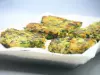
Kadaïf pastry is incredibly versatile in the kitchen. It can be used to make sweet pastries such as baklava, cakes, and tarts. Its crispiness and lightness add a unique texture to your desserts. It can also be used to prepare savory dishes, such as vegetable or meat rolls, stuffed pastries, or crispy nests filled with seafood. Its use in the kitchen offers many creative possibilities to delight your taste buds.
In conclusion, kadaif dough is a valuable ingredient for adding texture and flavor to your culinary creations. Whether for sweet pastries or savory dishes, this traditional Middle Eastern dough is a true delight for lovers of inventive cuisine.
Pour aller plus loin, venez découvrir de délicieuses recettes concoctées par les gourmets du site, et qui utilisent la pâte kadaïf !






Follow us on social media