





Bread dough is an essential ingredient in cooking, used for centuries in many cultures around the world. It serves as the foundation for numerous culinary creations, offering a wide range of possibilities to delight the palate.
Origins of Bread Dough
The origins of bread dough date back to ancient times, when it was prepared and consumed by many civilizations, such as the Egyptians, Greeks, Romans, and Persians. Over time, production techniques have evolved, but the concept of mixing flour and water to create an elastic dough has remained unchanged.
Nutritional Value of Bread Dough
Bread dough, primarily composed of flour and water, is a source of complex carbohydrates, dietary fiber, and essential minerals. It is also rich in B vitamins, particularly B1 and B3, thereby contributing to a balanced diet.
Seasons and Variations in Bread Dough
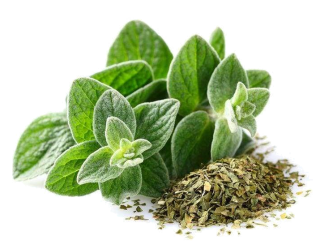
Bread dough can be made year-round, regardless of the season. However, certain variations can be made to incorporate seasonal ingredients. For example, in summer, fresh herbs and seasonal vegetables can be added to the dough to bring freshness and summer flavors. In winter, warm spices can be incorporated to create comforting breads.
Culinary uses of bread dough
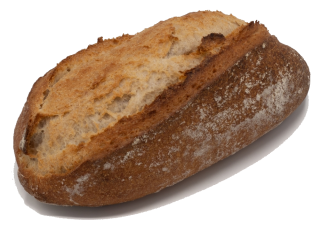
Bread dough is versatile and can be used in various ways in the kitchen. It can serve as a base for making traditional breads, such as French baguettes, whole-grain bread, or rye bread. It can also be used to prepare pizzas, savory or sweet tarts, rolls, brioche, pastries, and much more.
In conclusion, bread dough is an essential ingredient in the kitchen, offering a wide range of possibilities to satisfy every craving. Whether for making traditional breads or creating more original dishes, bread dough is a must-have for lovers of good food.
Pour aller plus loin, venez découvrir de délicieuses recettes concoctées par les gourmets du site, et qui utilisent la pâte à pain !








Follow us on social media