




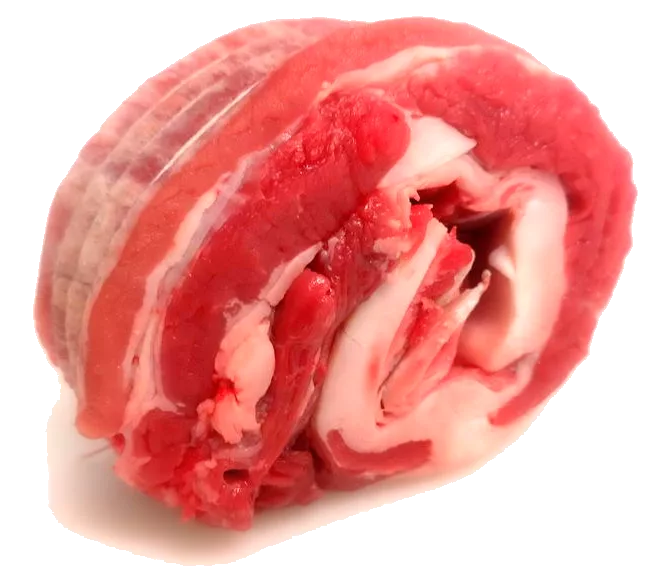
Veal shanks are particularly flavorful and versatile cuts of meat. Their tender texture and delicate flavor make them a top choice for many recipes. In this article, we’ll explore the origins of veal shanks, their nutritional value, when they’re in season, and a few ideas for preparing them.
Origins of Veal Tendons
Veal shanks are cuts of meat from the breast or lower belly of the calf. They consist of muscle and cartilage, which gives them their unique texture. Veal shanks have long been prized in French cuisine, where they are used to prepare traditional dishes such as veal blanquette.
Nutritional Value
Veal shanks are an excellent source of lean protein, essential for building and repairing muscle tissue. They also provide B-complex vitamins, zinc, and iron. However, like all meat, it is best to consume them in moderation due to their saturated fat content.
Season
Veal shanks are available year-round; however, it is important to note that the quality of this meat can vary depending on the season. It is recommended to purchase them during seasons when calves are raised outdoors, as this can influence the tenderness and flavor of the meat.
Culinary Uses
Veal shanks can be prepared in many different ways. They are perfect for stews, ragouts, and dishes with sauce, as their texture becomes tender during slow, extended cooking. They can also be grilled, pan-seared, or roasted for a quicker, lighter option. Regardless of the cooking method chosen, veal shanks pair well with a wide variety of herbs and spices, such as thyme, rosemary, garlic, and shallots.
In conclusion, veal shanks offer a delicious combination of tenderness and flavor, making them an ideal choice for meat lovers. Their origin, nutritional value, seasonality, and versatility in the kitchen make veal shanks an essential ingredient for lovers of fine cuisine.
Pour aller plus loin, venez découvrir de délicieuses recettes concoctées par les gourmets du site, et qui mettent les tendrons de veau à l’honneur !





Follow us on social media