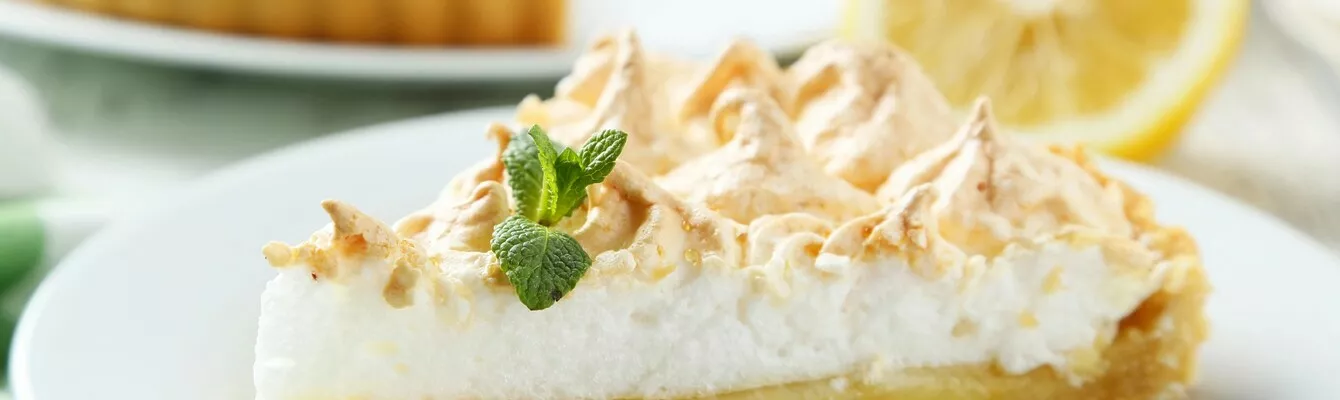





Wondering where lemon meringue pie comes from, and who invented the recipe? Discover the fascinating history of meringue pie here!
Few desserts arouse as much admiration as lemon meringue pie. Both elegant and comforting, it seduces with its unique contrast: the acidity of the lemon blends with the sweetness of the meringue, all resting on a crisp base of shortbread dough.
This interplay of textures and flavors, which seems obvious today, is nevertheless the fruit of a long culinary evolution, marked by travel, discovery and the ingenuity of several generations of pastry chefs.
Behind each slice of this cake lies a true story, made up of anecdotes and traditions. This story tells not only of the evolution of pastry ingredients and innovations, but also of the evolution of tastes and indulgence through the ages.
Aux origines du citron en pâtisserie

The lemon, the central ingredient in this tart, originated in Asia and traveled to Europe as early as the Middle Ages. Long considered a luxury item, it was used only sparingly, notably for its medicinal virtues.
It wasn’t until the XVIIIᵉ century that it found a place of choice in European kitchens, particularly in England and France, where the first lemon tarts, still without meringue, made their appearance. At the time, these desserts seduced with their balance between the sweetness of sugar and the tangy vivacity of lemon juice.
The birth of the meringue
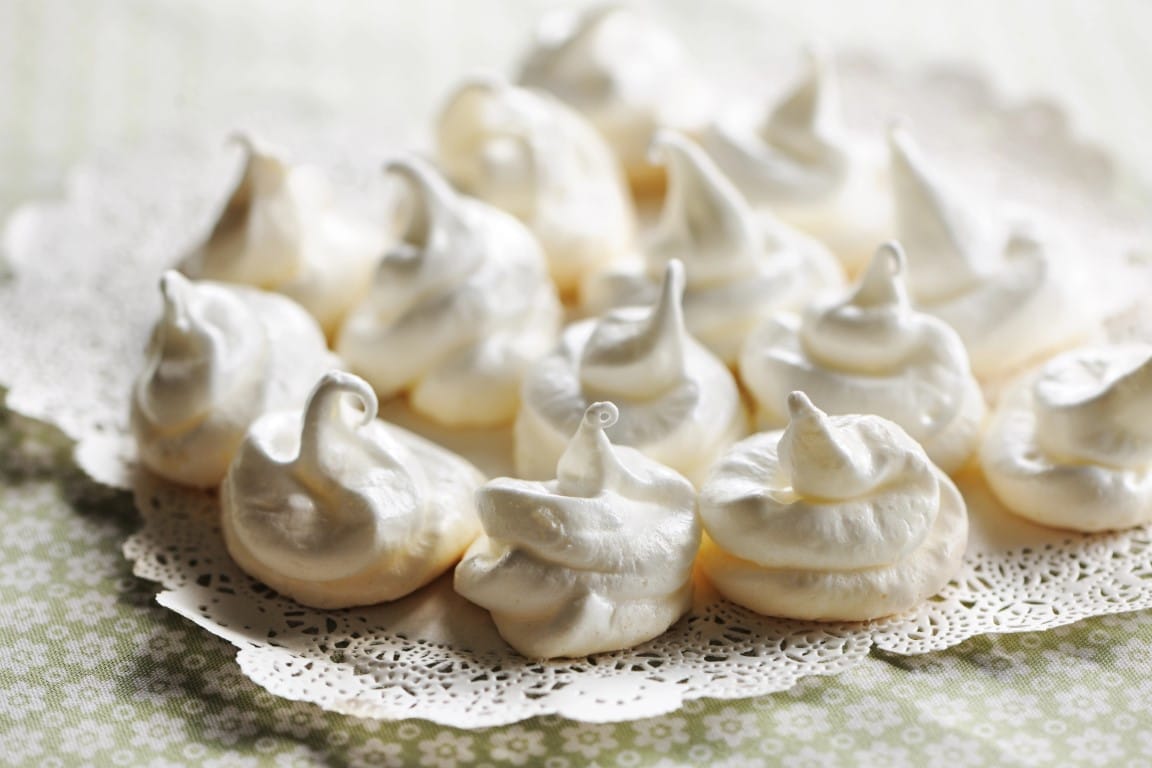
The meringue, meanwhile, has an equally fascinating trajectory. Its name is said to come from the small Swiss town of Meiringen, where it originated in the late XVIIᵉ century before being perfected by French and Italian pastry chefs.
In the XVIIIᵉ century, meringue became an essential preparation, used to decorate, aerate or sweeten desserts. Its success was based on the simplicity of its composition – just egg white and sugar – but also on the elegance of its airy texture.
The union of a lemon and a cloud
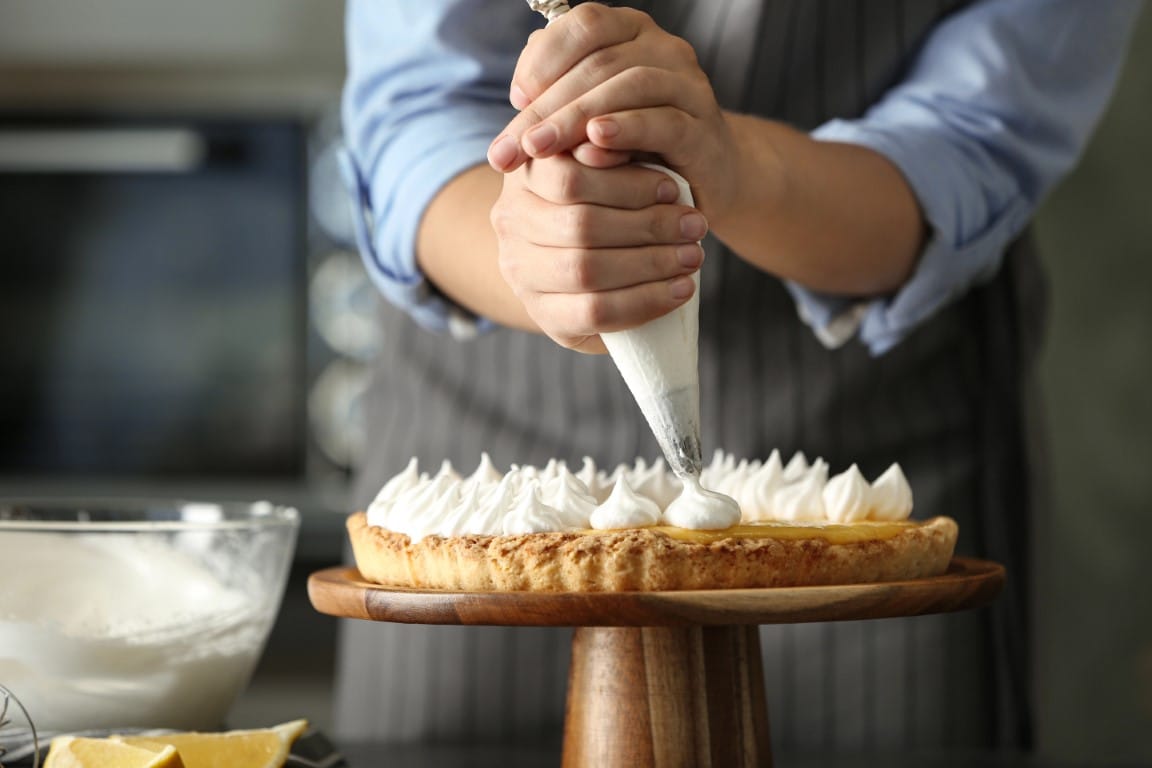
It wasn’t until the XIXᵉ century that the idea of combining lemon cream and meringue germinated in the minds of pastry chefs. The codification of lemon meringue pie as we know it today is generally attributed to Alexander Frehse, a Swiss confectioner.
Thanks to him, the combination of crispiness, acidity and fondant took on an accomplished form that was soon to conquer Europe. In France, from the turn of the XXᵉ century onwards, tarts made their way into pastry shop windows, where they became a symbol of elegance and raffinement.
Les grandes maisons et la consecration
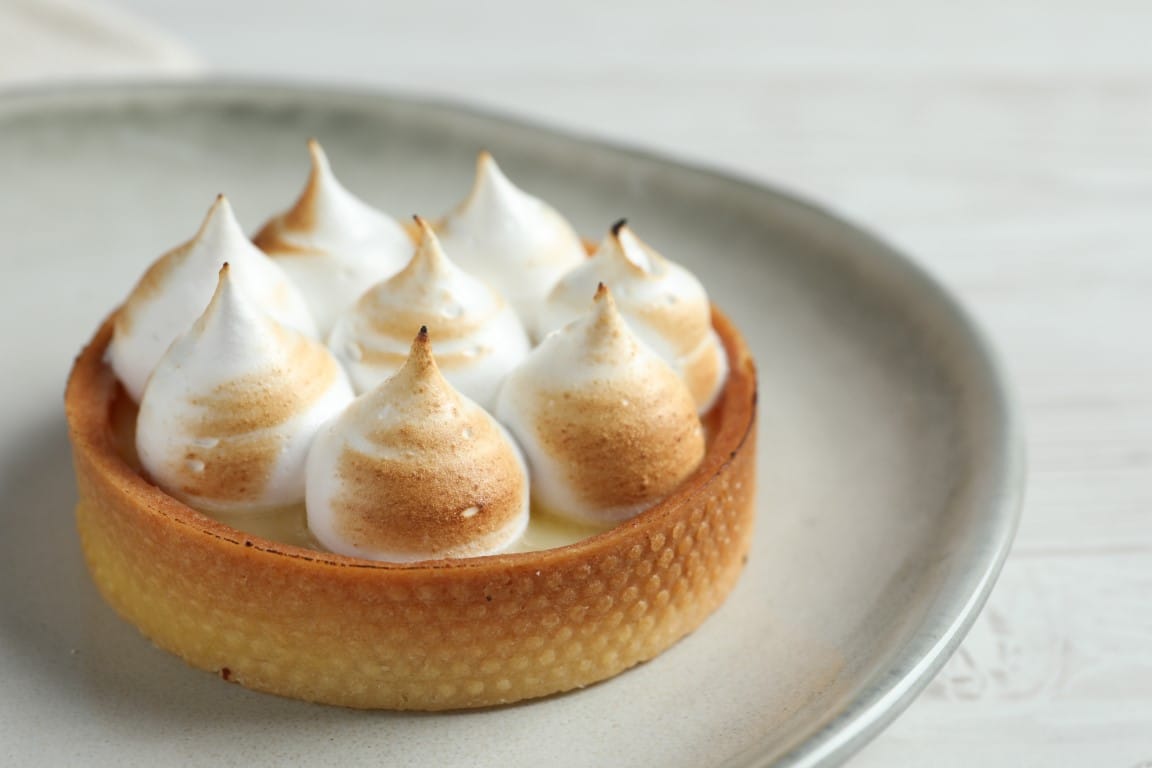
Over the years, the lemon meringue tart has inspired many gourmet anecdotes. Some say its popularity exploded thanks to great Parisian houses like Lenôtre, who knew how to make it a showcase for their savoir-faire.
Gaston Lenôtre himself, liked to revisit the proportions of the recipe, to accentuate the acidity of the lemon or lighten the meringue, while subsequent generations, from Pierre Hermé to Cédric Grolet, metamorphosed it into spheres, tartelettes or destructured versions.
So, which meringue?
In the history and practice of lemon meringue pie, the choice between French meringue and Italian meringue is not insignificant.
The more traditional French version involves beating egg whites with sugar until an airy, slightly crisp mousse forms when baked. It lends a rustic charm and fragile lightness, but doesn’t stand up well to humidity and collapses quickly.
The Italian meringue, on the other hand, has become a favorite of modern pastry chefs: made with hot sugar syrup poured over the whites, it offers a creamy, smooth and glossy texture, which holds up better over time and gilds perfectly with a blowtorch.
So, a lemon tart topped with a French meringue evokes the simplicity of yesteryear, while one topped with an Italian meringue embodies the modernity and elegance of the great pastry houses.
A universal icon
Today, lemon meringue pie is a universal classic, crossing borders and styles. It can be found in neighborhood bakeries as well as in the finest gourmet restaurants. Some use it with lime or yuzu for an exotic touch, while others flambé it with chalumeau for an even more spectacular play of textures and colors.
But whatever its face, it remains true to its core identity: a dessert where the acidity of the lemon, the sweetness of the meringueand the crunchiness of the pastrycompose a unique harmony.
More than just a cake, lemon meringue pie tells the story of a culinary journey, from the Mediterranean basin to the great workshops of French pastry-making. It is a wonderful illustration of the art of transforming simple ingredients into a timeless work of gourmandise.
Go for it!
I hope this article has inspired you to try your hand at lemon meringue pie. By the way, I’ve posted my traditional recipe entirely homemade, from the dough to the meringue, and with no particular difficulty.
So enter the great history of lemon meringue pie, too. After generations of cooks, this mythical recipe is just waiting for you 😋











Leave a Reply