




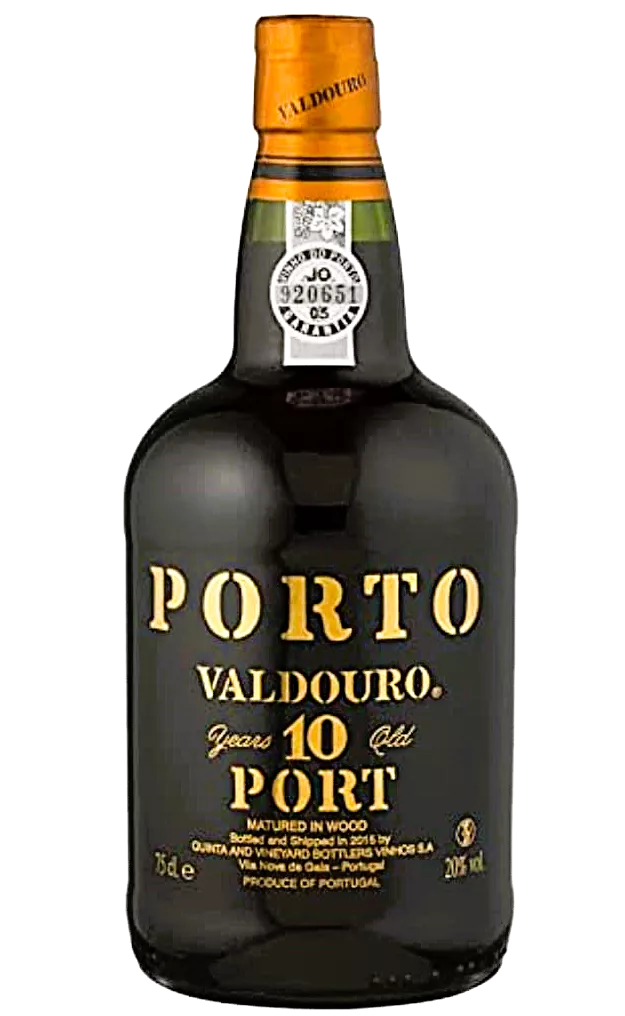
Port, the famous Portuguese fortified wine, is enjoyed around the world for its rich aroma and versatility. Whether red, white, or rosé, port has a fascinating history and holds a special place both in glasses and on plates. Let’s explore its origins, characteristics, and how it enhances a wide variety of dishes.
Origins and History of Port
Port has its roots in the Douro Valley, in northern Portugal, a wine-growing region listed as a UNESCO World Heritage Site. The production of this wine dates back to the 17th century, when British merchants sought to secure their wine supplies amid conflicts with France. To prevent the wine from spoiling during transport to England, Portuguese winemakers began adding brandy to the wine, thereby halting fermentation and preserving some of the grapes’ natural sugar. This process gave rise to port, a sweet, high-alcohol wine.
There are several types of port: red port (ruby, tawny), white port, and rosé port. Each variety is distinguished by its aging methods and grape varieties, offering a wide range of flavors ranging from fruity and spicy notes to nutty and caramel aromas.
Characteristics of Port
Port is a fortified wine, meaning that grape brandy is added during fermentation, bringing its alcohol content to approximately 19–20%. This process preserves some of the grape’s natural sugar, giving port its characteristic sweetness.
The different styles of Port include:
- Ruby: young, fruity, with notes of red berries.
- Tawny: aged in barrels, with aromas of dried fruit, caramel, and vanilla.
- White: made from white grape varieties, it can be dry or sweet, with notes of citrus and honey.
- Vintage: a vintage-dated wine, it is considered the most prestigious and requires many years of aging.
Uses of Port in Cooking
Thanks to its complex aromas, Port is a welcome addition to the kitchen, enhancing many dishes, whether sweet or savory.
- In sauces and reductions: Red Port, particularly Tawny, is ideal for sauces accompanying red meats, duck, or game. A Port reduction adds a sweet, slightly woody depth to these dishes.
- Marinades: Port is used to marinate meats or fruits, imparting a subtle sweetness and spicy notes.
- Desserts: It pairs wonderfully with desserts such as poached pears, chocolate fondant, or crème brûlée. White port can also be used in sorbets or light mousses.
- Cheese Pairings: Port pairs perfectly with blue cheeses such as Roquefort or Stilton.
Some Recipe Ideas
- Beef tenderloin with port sauce: A classic dish where tawny port is reduced with shallots and veal stock to create a rich, aromatic sauce.
- Pears in port: Pears poached in a syrup made with red port, spices, and sugar, served with crème fraîche.
- Pan-seared foie gras with white port: White port adds a touch of sweetness that perfectly balances the rich flavor of the foie gras.
Conclusion
Port, with its rich history and range of flavors, is much more than just a dessert wine. Its aromatic qualities and smoothness make it a prime ingredient for enhancing both savory and sweet dishes. Whether you’re a fan of traditional or modern cuisine, port will add a touch of elegance and character to your recipes.










Leave a Reply