




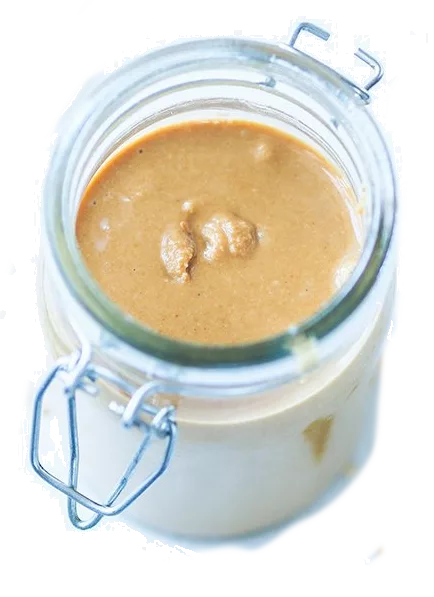
Tahini is a delicious sesame paste that has been used for centuries in Mediterranean and Middle Eastern cuisine. With its creamy texture and unique flavor, tahini has become increasingly popular around the world.
Origins of Tahini
Tahini originated in the Middle East, where it has been used for thousands of years. It is particularly common in Turkish, Lebanese, Greek, and Israeli cuisines. The process of making tahini is simple: sesame seeds are toasted, then ground into a smooth paste.
Nutritional Value
Tahini is not only delicious but also nutritious. It is rich in monounsaturated fatty acids, which are beneficial for cardiovascular health. Additionally, it is an excellent source of plant-based protein, fiber, and various minerals such as calcium, iron, and magnesium. However, it is important to note that tahini is also quite high in calories, so it is best to consume it in moderation.
Season
Tahini is not specifically seasonal; it is available year-round in specialty grocery stores. However, it is often associated with fall and winter dishes due to its rich, comforting flavor.
Culinary Uses
Tahini can be used in many ways in the kitchen. It is the main ingredient in the famous sesame paste tahini, used to make the well-known tahini sauce in falafel or hummus. It can also be added to salad dressings to impart a slightly nutty flavor, or used as a topping for grilled vegetable dishes. Tahini can even be used in baking, giving cookies or energy bars a creamy, rich texture.
In conclusion, tahini is a versatile and delicious ingredient. Whether you want to use it to prepare traditional Mediterranean dishes or add it to your own culinary creations, tahini will bring a unique touch of flavor to your recipes.
Pour aller plus loin, venez découvrir de délicieuses recettes concoctées par les gourmets du site, et qui utilisent le tahin !









Follow us on social media