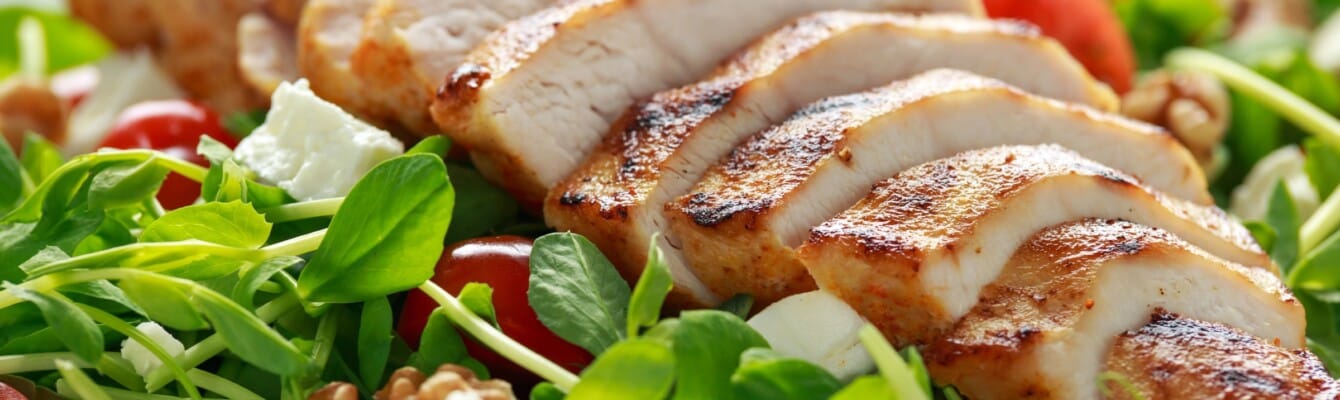





An essential ingredient in everyday cooking
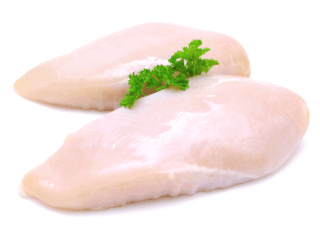
Chicken breast is one of the most commonly used cuts of poultry in cooking. It comes from the chicken’s chest, located on either side of the breastbone. This muscle is not heavily used by the bird, which explains its tender texture and delicate meat.
In many cuisines around the world, this cut is popular for its ease of preparation and mild flavor. Cooks use it for both quick everyday meals and more elaborate recipes. Its pale, uniform flesh also lends itself to various cuts: cutlets, thin slices, cubes, or strips.
A light, protein-rich food
Chicken breast has a highly valued nutritional profile. It contains a high proportion of high-quality protein and very little fat, especially when the skin is removed.
It also provides several B vitamins, notably vitamin B3 and vitamin B6, as well as essential minerals such as phosphorus and selenium. Thanks to this composition, chicken breast fits easily into a balanced diet and many dietary plans.
Its moderate calorie content and high digestibility also explain its popularity in health-conscious and sports nutrition.
A Delicate Meat in the Kitchen
Chicken breast has a mild, slightly sweet flavor. This neutral flavor profile is an advantage in the kitchen. It allows this cut to be easily paired with a wide variety of ingredients: fresh herbs, spices, creamy sauces, or flavorful marinades.
Its texture remains tender and not very fibrous, but it can quickly become dry if cooked for too long. Cooks therefore prefer quick and controlled cooking methods.
The cut also influences the result. A whole breast yields tender and juicy meat, while thin slices cook faster and are better suited for stir-fries.
What is the difference between chicken breast and chicken tenderloin?
The difference between chicken breast and chicken tenderloin is fairly minor in everyday use. Both terms refer to the meat from the chicken breast—a tender, lean cut that’s easy to cook.
Originally, the chicken breast refers to the portion of the breast taken from the carcass, sometimes still with the skin or the small tenderloin located underneath. This cut can yield a whole cutlet, often used for quick cooking in a pan or in the oven.
The chicken fillet more specifically refers to the main breast muscle, carefully deboned, skinless, and trimmed. In butcher shops or stores, it is generally a ready-to-cook piece with a regular shape and uniform thickness.
Beneath this fillet lies a small muscle called the chicken tender. Some professionals leave it attached to the fillet, while others remove it to sell it separately.
In culinary practice, the distinction is often not very clear, and both terms are very frequently used to refer to a boneless chicken cutlet, ready to be cooked.
Main Cooking Methods
Chicken breast can be prepared in many ways.
Pan-frying remains one of the most common methods. Cooks sear the cutlet in a little fat to achieve a golden surface while keeping the center tender.
Baking in the oven allows for the preparation of whole or stuffed breasts. It results in tender meat, especially when a sauce or broth is added.
Poaching in gently simmering liquid produces very tender and light meat. This technique is perfect for salads or cold dishes.
Finally, grilling or barbecuing imparts much-loved smoky flavors, especially after marinating.
Typical Chicken Breast Recipes
French cuisine frequently uses chicken breast in simple, flavorful recipes. Its tender meat and mild flavor pair well with many ingredients.
Among the best-known dishes is chicken in cream sauce. Cooks sear the chicken pieces and then simmer them in a sauce made with crème fraîche, often accompanied by mushrooms.
Chicken Basquaise is another iconic recipe. The chicken pieces cook slowly with bell peppers, tomatoes, onions, and mild chili peppers, resulting in a fragrant and colorful dish.
Chicken breast is also used in vol-au-vent, a specialty consisting of a puff pastry tartlet filled with a creamy sauce containing chicken, mushrooms, and sometimes meatballs.
Certain recipes from other countries have also found their place in French-speaking kitchens. Caesar salad, for example, combines pieces of grilled chicken breast, crisp lettuce, croutons, and a creamy Parmesan dressing.
There are also dishes inspired by foreign cuisines, such as chicken curry, where chicken breast simmers in a sauce flavored with spices, or sautéed chicken with vegetables, prepared with thin strips of chicken quickly sautéed with crisp vegetables.
In home cooking, people often prepare breaded chicken cutlets, chicken stir-fry with mushrooms, or cold chicken salad—an ideal way to use up leftover chicken.
How to prevent chicken breast from drying out
Cooking chicken breast requires a bit of care. There are several tips to help keep the meat juicy and tender.
Cooking for a short time over moderate heat is essential. Too high a temperature tightens the fibers and causes the meat to lose its juices.
Marinating beforehand also improves the result. Cooks often use oil, lemon, yogurt, or spices to tenderize the meat and add flavor.
Using a sauce or broth during cooking also helps retain moisture.
Finally, it’s best to let the meat rest for a few minutes after cooking. This resting time allows the juices to redistribute throughout the meat and significantly improves the final texture of the chicken breast.
Give it a try!
Thanks to its versatility, nutritional value, and ease of preparation, chicken breast remains one of the most widely used ingredients in kitchens around the world today.
Pour aller plus loin, venez découvrir de délicieuses recettes concoctées par les gourmets du site, et qui mettent le blanc de poulet à l’honneur !










Follow us on social media