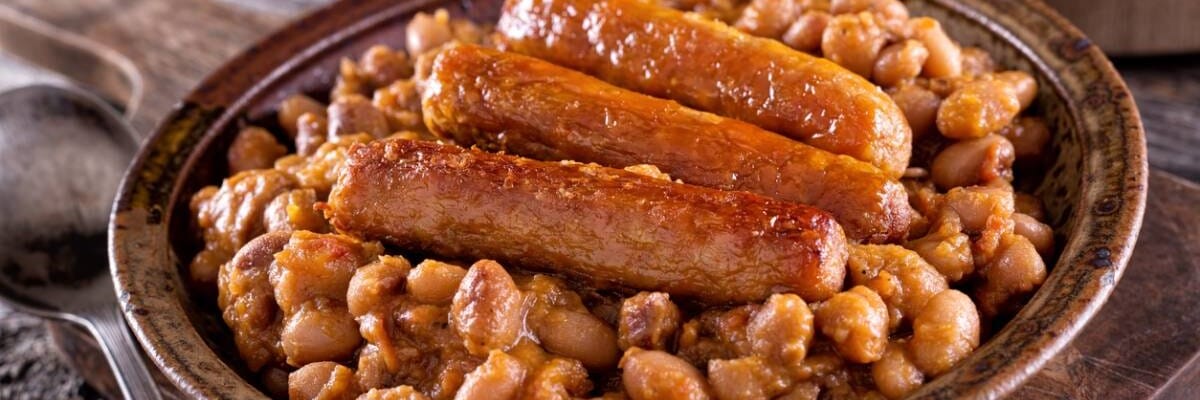





Ah, cassoulet! Just the name alone conjures up joyous tables, aromas that perfume the kitchen and that comfort so characteristic of Southwestern dishes. Among all the versions of this emblematic recipe, the one from Castelnaudary reigns supreme. Protected by an IGP, this dish tells the story of a generous terroir where culinary tradition has been passed down from generation to generation. Discover what makes cassoulet de Castelnaudary a true star of home-cooked dishes, capable of delighting even the most discerning taste buds!
Le cassoulet de Castelnaudary, fleuron du patrimoine
Cassoulet de Castelnaudary has held a Protected Geographical Indication since 2013, guaranteeing its authenticity. This label distinguishes genuine recipes from industrial imitations, and enhances an ancestral know-how handed down in this Aude town. Legend has it that this dish originated during the siege of Castelnaudary during the Hundred Years’ War, when the inhabitants gathered all their provisions to feed the soldiers. Myth or reality? Whatever, this story perfectly sublimates the esprit du cassoulet: generosity and conviviality!
The original recipe is characterized by its apparent simplicity and the impeccable quality of its ingredients. Unlike variants from Toulouse or Carcassonne, which add duck confit or mutton, Castelnaudary cassoulet remains faithful to a base of white beans and pork meats. This purity is what gives it its nobility.
Slow cooking in a terracotta cassole allows the flavors to meld harmoniously, creating that creamy texture and incomparable taste that have made its reputation far beyond France’s borders. You can see why purists swear by this version. You can go through a direct sales of Castelnaudary cassoulet website that offers quality artisanal dishes from the South-West if you don’t have the time or inclination to cook this generous dish.
What ingredients make up an authentic cassoulet?
The magic of cassoulet lies in the subtle balance between rustic ingredients that, once brought together, give rise to an exceptional dish. Each component plays its own part in this symphony of taste.
The-beans-and-meats-pillars-of-the-recipe
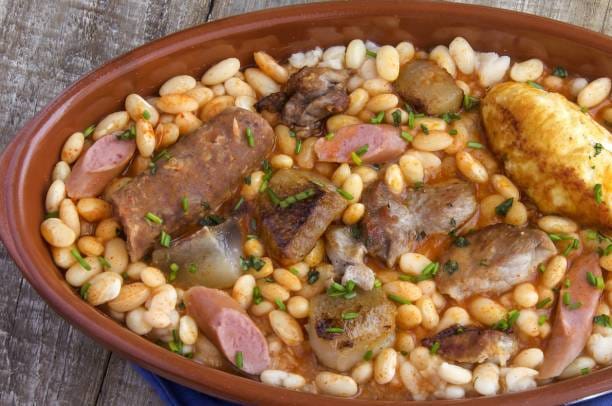
White beans are the heart of cassoulet de Castelnaudary. Grown in the region, these fleshy ingots absorb the broth and meat juices to gorge themselves on flavor. Their melt-in-the-mouth texture contrasts wonderfully with the crispness of the top.
On the meat side, pork reigns supreme. Toulouse sausage brings its spicy character, pieces of ribs or loin offer their tenderness, while the gelatinous rind enriches the preparation with an irresistible creaminess. Some recipes incorporate duck confit, a heritage from Toulouse versions, but Castelnaudary’s pure tradition favors pork in all its forms.
Bouillon and aromatics, keys to depth
A good cassoulet wouldn’t exist without its fragrant broth. This is prepared with water, carrots, onions studded with cloves, thyme and bay leaves. This precious liquid, in which first the beans and then the meat cook, carries all the aromas of the dish. The tomato brings a light acidity that balances the richness of the pork, and the garlic awakens the whole with its powerful notes. The artisans take care to dose each element with just the right amount to create this gustatory harmony that instantly transports you to the Southwest!
Les atouts du cassoulet de Castelnaudary artisanal face-a-l-industriel
Why choose an artisanal cassoulet over an industrial version? The difference is obvious from the very first bite! Artisans select their ingredients with meticulous care:
- beans harvested at maturity,
- pork raised in respectful conditions,
- sausages made by local charcutiers.
No flavor enhancers or dubious preservatives interfere with the authenticity of the recipe. Preparation follows traditional methods that respect the cooking times necessary to obtain this incomparable texture.
Southwestern artisanal dishes also boast exemplary traceability. You know exactly where the cuts of meat come from and how they were cooked. This transparency reassures gourmets concerned about eating well.
Industrial cassoulet, designed for mass production, prioritizes profitability over taste. Simplified recipes, shortened cooking times and standardized ingredients produce a dish that is cassoulet in name only. Your palate deserves better than this pale copy. Opting for artisanal means supporting threatened know-how and rediscovering what eating really means: pleasure, emotion, sharing.
The secrets of cooking in a terracotta cassole
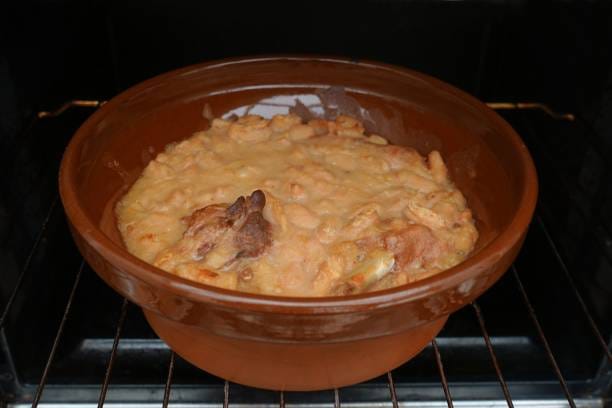
The cassole gives its name to cassoulet, and it’s no accident! This local terracotta vessel has some remarkable properties. Its flared shape ensures even heat distribution, while its porous earth naturally regulates humidity during cooking. Contact with this noble material gives the dish nuances of flavor impossible to reproduce in a modern vessel. Old-timers will tell you: a sassy cassole, which has already been used many times, further sublimates the flavors of this iconic dish.
Preparation begins by browning the pork meats to color them and develop their flavors. You then need to set these pieces aside while you prepare the broth. The beans, previously soaked in cold water, cook gently in this fragrant liquid until tender. Now it’s time to assemble. Place a layer of beans on the bottom of the cassole, followed by the meats and sausages, evenly distributed. Finally, place the rest of the beans drizzled with broth.
The chefs’ secret? Let the top bake au gratin, break off this golden crust to incorporate it into the dish, then repeat several times. This age-old technique creates those crispy layers that alternate with the softness of the beans, signing the success of your cassoulet. The earth of the cassole works silently, concentrating flavors and transforming simple ingredients into culinary masterpieces.
How-to-savor-and-accompany-your-cassoulet?
A quality cassoulet deserves to be tasted the right way. Forget the rush. This generous dish requires time and attention to reveal its full complexity.
The ideal temperature and service
Serve your cassoulet piping hot, directly in its cassole if possible, to preserve that visual authenticity that whets the appetite. The optimal temperature allows the fats to stay melted and the beans to retain their creaminess.
Prepare preheated soup plates and arm yourself with a sturdy soup spoon rather than a fork. The ritual is to dig all the way to the bottom to capture beans, bits of meat and that famous crust on top with every bite. Let the scents waft out and perfume your table before diving into this marvel.
The perfect pairings to sublimate the dish
For the accompaniments, simplicity takes precedence. A crisp green salad, dressed with a slightly tangy vinaigrette, pleasantly cleanses the palate between two generous bites. As for drinks, a red wine from the South-West is a must. A Corbières, Minervois or Fitou has the tannic structure to stand up to the richness of cassoulet without overwhelming it. Lovers of lighter wines will opt for a fruity red from Fronton. And why not end on a fresh note with a lemon sorbet to round off this feast in style? Cassoulet is a festive dish that transforms every meal into a celebration.
A gourmet heritage to preserve and pass on
Castelnaudary cassoulet embodies much more than just a recipe. It represents the soul of a terroir, the memory of a know-how and the promise of convivial moments. Choosing a cassoulet artisanal means voting with your fork for the preservation of traditions that make up France’s gastronomic wealth. The artisans who perpetuate these ancestral methods deserve your support and recognition.
So, the next time the urge strikes you to taste this mythical dish, turn to authenticity. Your taste buds will thank you, and you’ll be helping to write the continuation of this beautiful culinary history that has united gourmets around a steaming cassole for centuries!













Leave a Reply