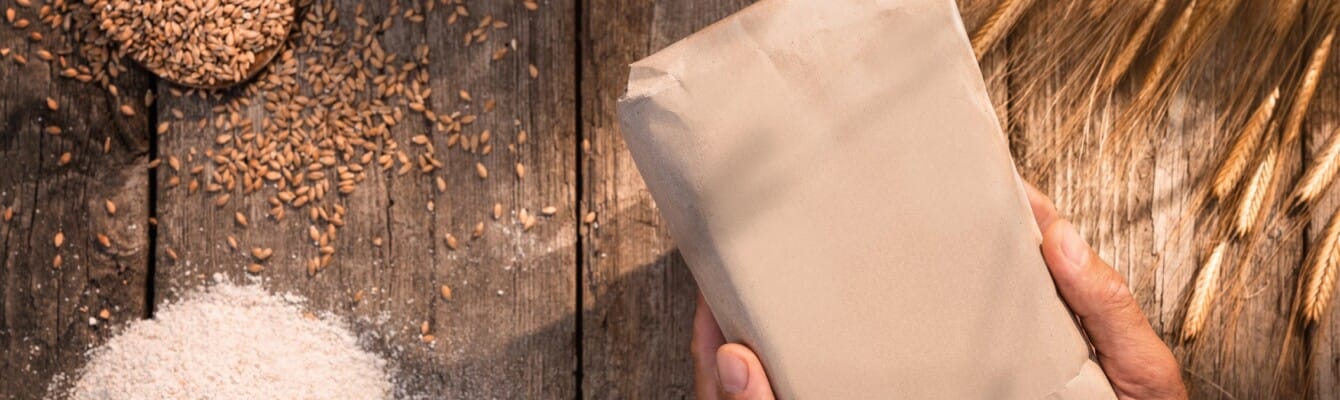




Einkorn, also known by its scientific name Triticum monococcum, is an ancient grain that is gaining increasing attention in the culinary world due to its distinctive characteristics and fascinating history.
Unlike its counterpart, spelt, the term "petit" does not refer to its physical size, but rather to subtle genetic differences that set it apart. Understanding these nuances allows one to fully appreciate the treasures contained within this ancient grain.
Why "small" spelt?
The main difference between einkorn (Triticum monococcum) and "spelt" (Triticum spelta) lies in their genetics and agronomic characteristics.
Type of wheat
- Einkorn is an older species, often considered a primitive form of wheat. It has a single grain per ear.
- Spelt is a more evolved variety, with two grains per ear.
Nutritional composition
Although both types of spelt share similarities in terms of nutritional profile, some variations exist. For example, einkorn generally has a lower gluten content than spelt, which may make it easier to digest for some people who are sensitive to gluten.
Culinary uses
- Emmer is more widely used in cooking, often ground into flour for making bread, pasta, or other baked goods.
- Emmer, due to its low gluten content, is sometimes preferred for certain recipes, particularly in diets where the goal is to reduce gluten intake.
Cultivation
- Emmer wheat is more widespread and cultivated on a larger scale than einkorn wheat.
- Emmer is often considered a hardier crop, better suited to harsher growing conditions.
Historical and Geographical Origins of Einkorn
The roots of einkorn wheat run deep into the history of agriculture, dating back to the Neolithic era. Originally cultivated in the "Fertile Crescent," this ancient grain was one of the first to be domesticated by humans.
Known for its resilience in the face of difficult growing conditions, einkorn wheat has found a home in the mountainous regions around the Mediterranean, where it has thrived over the centuries. Today, its resurgence in popularity is linked to its environmental resilience and its role in sustainable agricultural practices.
A Valuable Nutritional Ally
From a dietary perspective, einkorn wheat stands out for its unique nutritional profile.
Although it contains gluten, its gluten content (approximately 7%) is generally lower than that of its counterpart, emmer wheat, and that of common wheat (up to 20% in current varieties). This characteristic makes it easier to digest for some people who are sensitive to gluten, while retaining its nutritional qualities.
Rich in fiber, protein, and minerals such as magnesium and iron, einkorn wheat is a healthy option for diversifying one’s diet.
Culinary Traditions and Typical Preparations
Einkorn has seamlessly integrated into the culinary traditions of the regions where it is grown. In Provence, for example, it is often used to make the famous einkorn soup, a comforting dish combining vegetables, spices, and this ancient grain.
Einkorn pasta, with its slightly firm texture and subtle flavor, is also popular in certain regions of Italy.
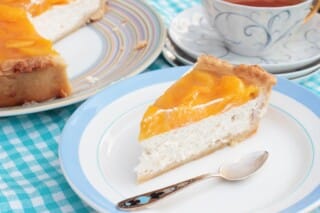
Einkorn flour, made from its grains, is a versatile ingredient that lends itself to a variety of recipes. From rustic breads to delicate pastries, einkorn flour adds a touch of tradition to contemporary cuisine. Desserts, such as cakes and cookies, benefit from its distinctive flavor, bringing an authentic dimension to sweet creations.
Our Selection
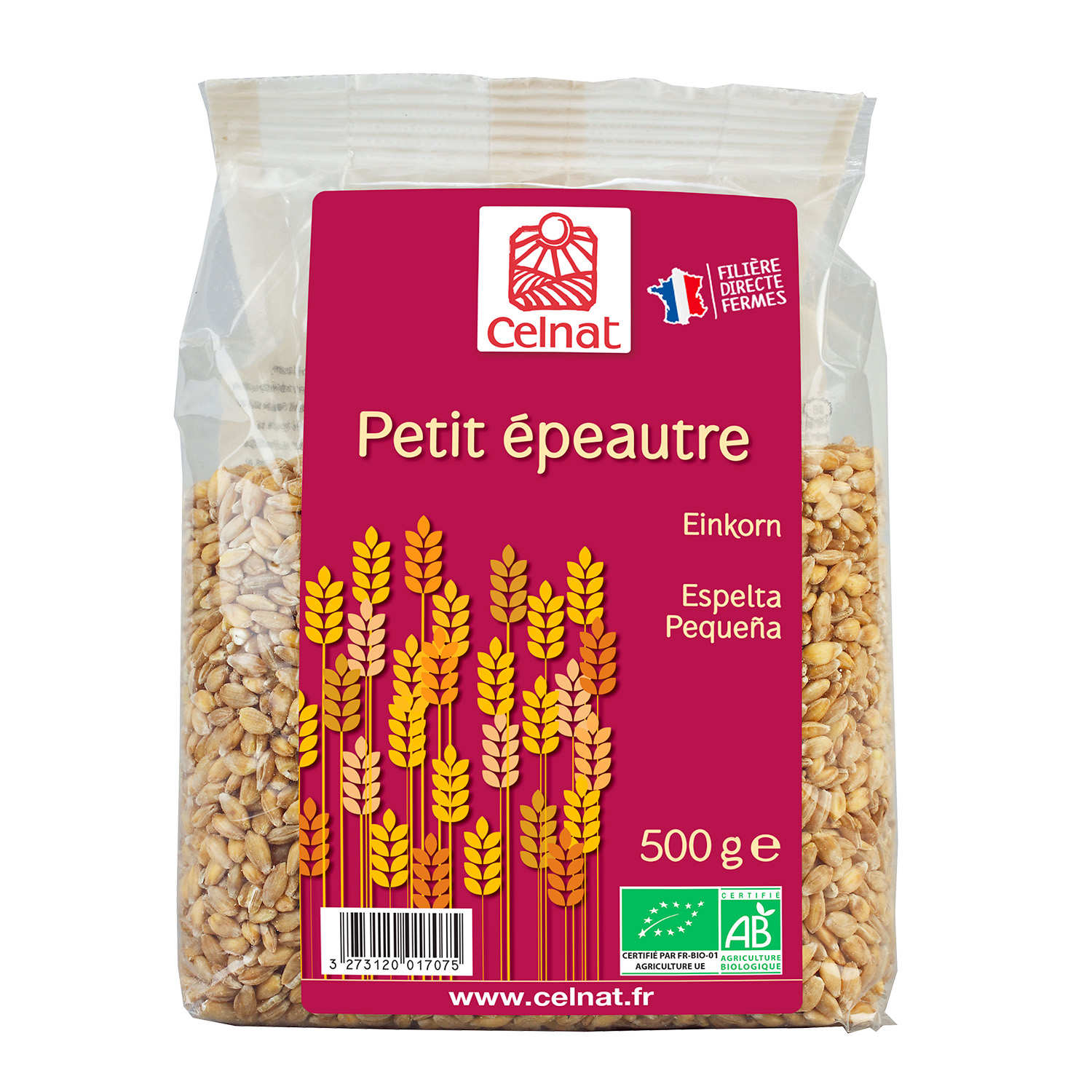
Below you will find a selection of direct links to help you stock up on premium-quality einkorn wheat.
 chez
chez
 chez
chez chez
chez
A healthy, flavorful, and sustainable grain
Einkorn is emerging as a multifaceted grain, combining exceptional nutritional qualities with a rich culinary history. Its growing presence in contemporary kitchens attests not only to its gastronomic potential but also to its role in preserving ancient food traditions.
By exploring the delights of einkorn, we embrace a culinary heritage that transcends the ages.
Pour aller plus loin, venez découvrir de délicieuses recettes concoctées par les gourmets du site, et qui utilisent le petit épeautre !







Leave a Reply