




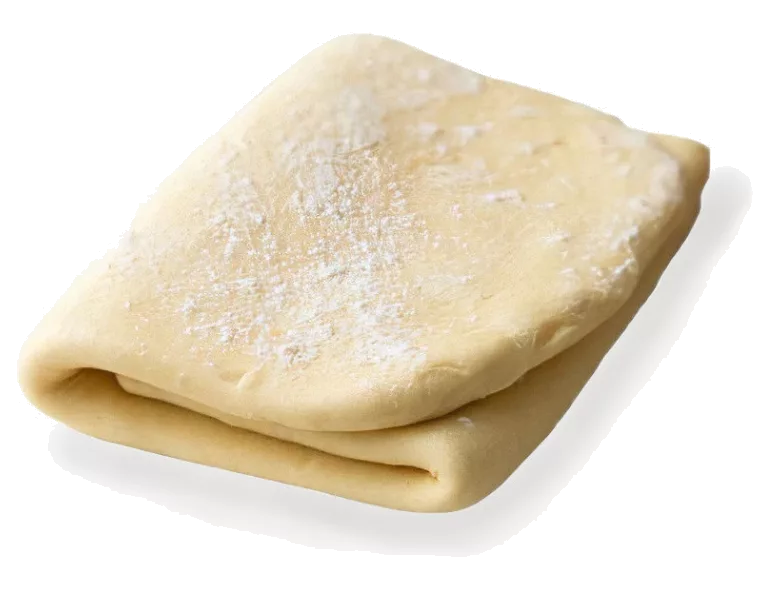
Hello, everyone! Today, we’re going to dive into the world of puff pastry in the kitchen. Get ready to discover the origins of this delicious dough, its nutritional value, the best time of year to make it, storage tips, and its many uses in the kitchen.
Origins of Puff Pastry
Puff pastry has its roots in France, where it has become one of the symbols of French cuisine. It is said to have been invented in the 17th century by Marie Leszczyńska, wife of Louis XV. Subsequently, puff pastry quickly spread throughout the world and is now used in many international cuisines.
Nutritional Value
Nutritionally, puff pastry is high in fat. However, due to its light, flaky texture, a small amount is usually enough to provide great satisfaction. It should therefore be consumed in moderation, as part of a balanced and varied diet.
Seasonality
Puff pastry can be prepared and enjoyed year-round, without being tied to a specific season. You can make it yourself or buy it ready-to-use at supermarkets, which makes it widely available.
Storage
To store puff pastry, it is recommended to place it in an airtight container or wrap it in plastic wrap to prevent it from drying out. It can be stored in the refrigerator for about 2 to 3 days. When you are ready to use it, be sure to let it rest at room temperature for a few minutes before rolling it out.
Culinary Uses
Puff pastry is incredibly versatile in the kitchen. You can use it to make savory or sweet tarts, pies, vol-au-vents, croissants, palmiers, turnovers, mille-feuilles, and much more. With its crisp and light texture, it adds a touch of elegance to your recipes and lets you give free rein to your culinary creativity.
There you go—now you know a little more about puff pastry in the kitchen. It’s up to you to get started and explore all the wonderful possibilities it offers in your recipes. Bon appétit!
Pour aller plus loin, venez découvrir de délicieuses recettes concoctées par les gourmets du site, et qui utilisent la pâte feuilletée !





Follow us on social media