


Joyeux Gourmet

Cooking, Recipes and Good Vibes

April Spring
Recettes et plus...
Site Logo
  • Mon Joyeux Gourmet
    Pas encore
    membre ?
    Connexion
    Inscription
  • Recipes
    • Publish my recipe
    • The Cook's Calendar
    • From appetizers to dessert
    • For any occasion
    • Seasonal cuisine
    • Regional Cuisine of France
    • World Cuisines
    • Diets and Nutrition
    • Difficulty level
  • Cookbooks
    • Publish my book critic
    • All books
  • Articles
    • Publish my Post
    • News, Tips, and Tutorials
    • Seasonal ingredients
    • Practical Guides
      • Cooking Temperatures
      • Kitchen Tools and Appliances
      • Cooking Glossary
      • Ingredient Guide
  • Practical Guides
    • Cooking Times
    • Cooking Temperatures
    • Kitchen Tools and Appliances
    • Cooking Glossary
    • Ingredient Guide
  • Welcome
  • Coupons and promotions
  • Login
    • Pas encore membre ? Mot de passe oublié ?
April Spring
  • Skip to primary navigation
  • Skip to main content
  • Skip to primary sidebar
  • Skip to footer
Home » Le Porto : Histoire, Tradition et Usages en Cuisine

Port Wine: History, Tradition, and Culinary Uses

Updated on 07 December 2024 by
Picture of joyeuxgourmetjoyeuxgourmet
Do you like this post ? Share it !
  • Share on Facebook
  • Share...
  • Pin It
  • Share by email

I like
Print
Port Wine: History, Tradition, and Culinary Uses

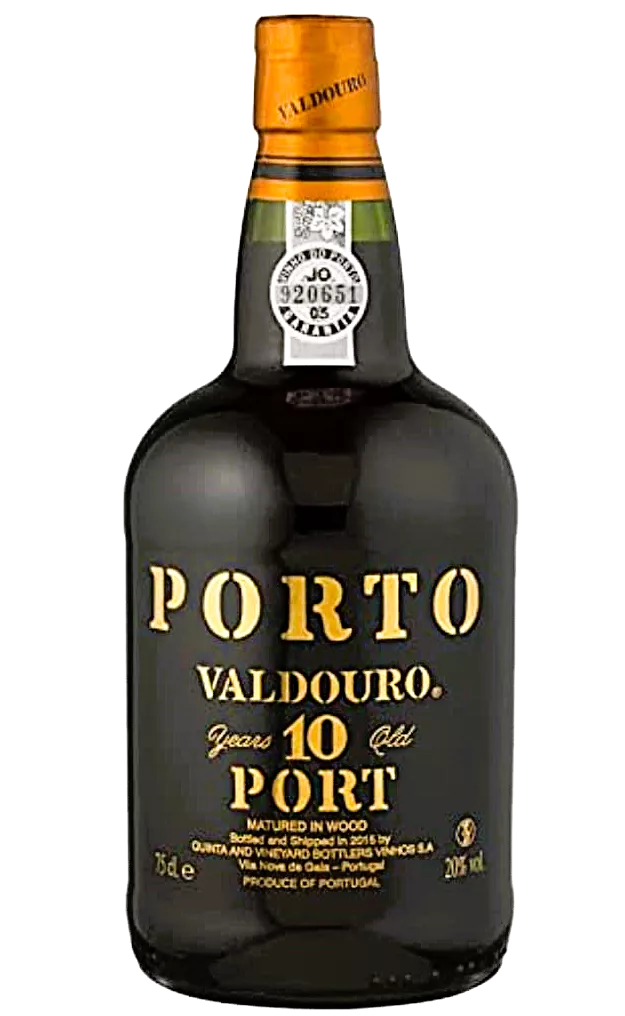
Port, the famous Portuguese fortified wine, is enjoyed around the world for its rich aroma and versatility. Whether red, white, or rosé, port has a fascinating history and holds a special place both in glasses and on plates. Let’s explore its origins, characteristics, and how it enhances a wide variety of dishes.

Table des matières

Toggle
  • Origins and History of Port
  • Characteristics of Port
  • Uses of Port in Cooking
  • Some Recipe Ideas
  • Conclusion

Origins and History of Port

Port has its roots in the Douro Valley, in northern Portugal, a wine-growing region listed as a UNESCO World Heritage Site. The production of this wine dates back to the 17th century, when British merchants sought to secure their wine supplies amid conflicts with France. To prevent the wine from spoiling during transport to England, Portuguese winemakers began adding brandy to the wine, thereby halting fermentation and preserving some of the grapes’ natural sugar. This process gave rise to port, a sweet, high-alcohol wine.

There are several types of port: red port (ruby, tawny), white port, and rosé port. Each variety is distinguished by its aging methods and grape varieties, offering a wide range of flavors ranging from fruity and spicy notes to nutty and caramel aromas.

Characteristics of Port

Port is a fortified wine, meaning that grape brandy is added during fermentation, bringing its alcohol content to approximately 19–20%. This process preserves some of the grape’s natural sugar, giving port its characteristic sweetness.

The different styles of Port include:

  • Ruby: young, fruity, with notes of red berries.
  • Tawny: aged in barrels, with aromas of dried fruit, caramel, and vanilla.
  • White: made from white grape varieties, it can be dry or sweet, with notes of citrus and honey.
  • Vintage: a vintage-dated wine, it is considered the most prestigious and requires many years of aging.

Uses of Port in Cooking

Thanks to its complex aromas, Port is a welcome addition to the kitchen, enhancing many dishes, whether sweet or savory.

  • In sauces and reductions: Red Port, particularly Tawny, is ideal for sauces accompanying red meats, duck, or game. A Port reduction adds a sweet, slightly woody depth to these dishes.
  • Marinades: Port is used to marinate meats or fruits, imparting a subtle sweetness and spicy notes.
  • Desserts: It pairs wonderfully with desserts such as poached pears, chocolate fondant, or crème brûlée. White port can also be used in sorbets or light mousses.
  • Cheese Pairings: Port pairs perfectly with blue cheeses such as Roquefort or Stilton.

Some Recipe Ideas

  • Beef tenderloin with port sauce: A classic dish where tawny port is reduced with shallots and veal stock to create a rich, aromatic sauce.
  • Pears in port: Pears poached in a syrup made with red port, spices, and sugar, served with crème fraîche.
  • Pan-seared foie gras with white port: White port adds a touch of sweetness that perfectly balances the rich flavor of the foie gras.

Conclusion


Port, with its rich history and range of flavors, is much more than just a dessert wine. Its aromatic qualities and smoothness make it a prime ingredient for enhancing both savory and sweet dishes. Whether you’re a fan of traditional or modern cuisine, port will add a touch of elegance and character to your recipes.

Reader Interactions

Leave a Reply Cancel reply

Your email address will not be published. Required fields are marked *

Primary Sidebar

Nutritional Information

For 100g of Porto:

  • Calories : 170.0 kcal
  • Carb : 10.0 g
  • Sugar : 10.0 g

A few seasonal items…

It’s peak harvest or production season for these ingredients… so take this opportunity to discover all the recipes that showcase them!

  • Image de sage
    sage
  • Image de strawberries
    strawberries
  • Image de Williams pear
    Williams pear
  • Image de green asparagus
    green asparagus
  • Image de spinach sprouts
    spinach sprouts
  • Image de white asparagus
    white asparagus

All seasonal ingredients

You might also be interested in these articles...

  • Orange zest in cooking: aroma, tradition, and creativity

    Orange zest in cooking: aroma, tradition, and creativity

  • Green Salad in the Kitchen: History, Nutrition, and Preparation

    Green Salad in the Kitchen: History, Nutrition, and Preparation

  • Discovering Amaretto: Origins, History, and Tasting

    Discovering Amaretto: Origins, History, and Tasting

More ideas

Footer

Useful Links

  • Contact us
  • Legal Notice
  • Privacy Policy
  • Partners

Install the JGourmet app

QR code d'installation de l'appli Joyeux Gourmet sur Android Google Play

Follow us on social media

  • Suivez Joyeux Gourmet sur Facebook
  • Suivez Joyeux Gourmet sur Pinterest
  • Suivez Joyeux Gourmet sur Instagram
  • Suivez Joyeux Gourmet sur YouTube

All rights reserved©  2015–2026 · Joyeux Gourmet · Log in

Before submitting your article for publication, please make sure it complies with the règles de modération des publications.
Articles that do not meet the requirements will not be published.

Votre carnet de recettes vous attend

Votre carnet de recettes vous attend !

❤️
Sauvegardez vos coups de cœur
🛒
Liste de courses automatique
🔔
Nouvelles recettes en exclusivité
G
N
L
+
gigi, nonocuisine et plus de 0 autres ont déjà rejoint Joyeux Gourmet !
Créer mon compte gratuit Inscription en 1 minute
Déjà membre ?
Se connecter
Je veux en savoir plus sur Joyeux Gourmet