




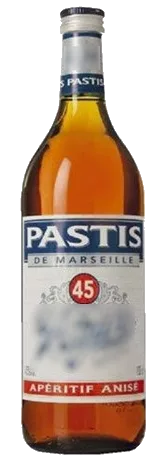
Pastis is an iconic alcoholic beverage of Mediterranean culture, known for its refreshing aniseed flavor. But did you know that pastis is also used in cooking, adding a touch of originality and flavor to many dishes? In this presentation, we’ll explore the origins of pastis, its nutritional value, its seasonal availability, and the different ways to incorporate it into your recipes.
Origins
Pastis originates from the Provence region of France, where it was created in the early 20th century as an alternative to absinthe. This drink is made from a blend of botanicals such as anise, licorice, fennel, and other herbs, which give it its unique and distinctive flavor.
Nutritional Information
Pastis is an alcoholic beverage, which means it should be consumed in moderation. As such, it contains calories from the alcohol and added sugar, so it’s important not to overindulge. However, pastis can also offer health benefits thanks to the aromatic plants used in its composition, which have digestive and antioxidant properties.
Seasonality
Pastis can be enjoyed year-round, but it is particularly associated with the summer months and Mediterranean culture. Its refreshing flavor makes it an ideal companion for hot, sunny days, whether as an aperitif or to accompany a light meal outdoors.
Culinary Uses
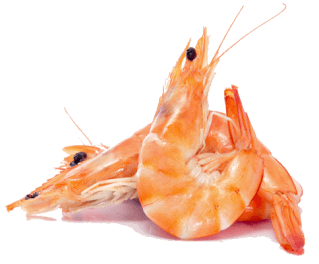
Pastis can be used in many recipes to add a fragrant, anise-flavored note. It can be incorporated into seafood sauces, such as a cream sauce with mussels or a marinade for grilled shrimp. It can also be used in desserts, such as anise sorbets or orange and pastis cakes.
In conclusion, pastis is much more than just an alcoholic beverage; it is a versatile ingredient in the kitchen. Whether used to enhance savory or sweet dishes, pastis brings a touch of the Mediterranean to your recipes and will surprise your guests with its distinctive flavor.
Pour aller plus loin, venez découvrir de délicieuses recettes concoctées par les gourmets du site, et qui utilisent le pastis !







Follow us on social media