




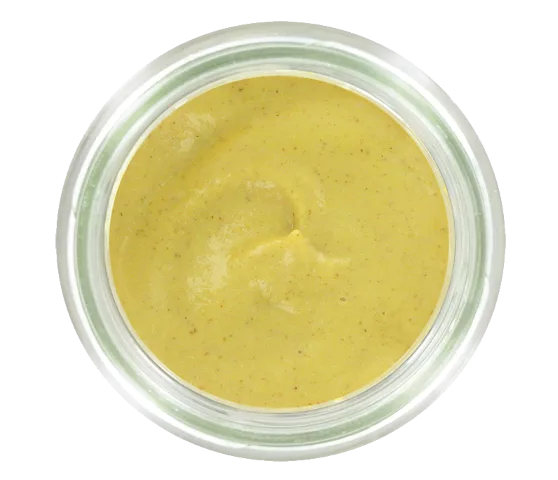
Mustard, a famous and beloved condiment around the world, is an essential ingredient in cuisine. With its unique flavor and spicy kick, it adds a touch of heat to many dishes. In this overview, discover the origins, health benefits, seasonality, and numerous culinary uses of mustard.
Origins of Mustard
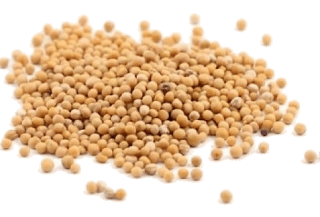
Mustard originated in the Mediterranean region and has been cultivated since ancient times. It is made from ground mustard seeds mixed with vinegar, water, or wine. The Romans popularized this condiment and subsequently introduced it throughout Europe. Today, mustard is produced in many countries, with variations in recipes and flavors.
Nutritional Value of Mustard
Mustard is a low-calorie condiment, making it an ideal choice for those looking to maintain a balanced diet. It is rich in vitamins (A, C, E, and K), minerals (calcium, iron, and magnesium), and antioxidants. Additionally, mustard contains sulfur compounds that have beneficial effects on digestion and promote healthy bowel function.
Seasonality of Mustard
Mustard is available year-round in supermarkets, making it a convenient ingredient to use in cooking throughout the year. However, certain varieties of mustard may be harvested at specific times of the year, particularly those made from fresh herbs.
Culinary Uses
Mustard is versatile and can be used in many ways in the kitchen. It can be used as a condiment to accompany meats, fish, vegetables, and sandwiches. It is also a key ingredient in preparing salad dressings, marinades, sauces, mayonnaise, and relishes. Its unique flavor and creamy texture make it an indispensable ally for adding character to many dishes.
In conclusion, mustard is an essential element of cooking, thanks to its rich history, health benefits, and versatility in the kitchen. Don’t hesitate to add a touch of mustard to your recipes to bring an explosion of flavors to your favorite dishes!
Pour aller plus loin, venez découvrir de délicieuses recettes concoctées par les gourmets du site, et qui utilisent la moutarde !








Follow us on social media